
In This Article
Your bathroom mirror at 2 p.m. tells a story you didn’t ask for: a shiny forehead, a nose that looks freshly oiled, and a chin dotted with something that wasn’t there this morning. If that scene is familiar, you’ve probably already gone down the rabbit hole searching for charcoal soap for oily and acne-prone skin, and honestly, you’re in good company. Millions of people deal with the same slick T-zone and stubborn breakouts, and a huge chunk of them have landed on activated charcoal as one of the more sensible, budget-friendly answers.
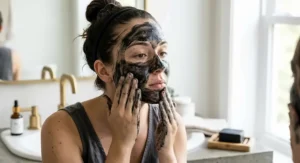
Here’s the short version: activated charcoal is a fine, extremely porous carbon powder that acts like a molecular sponge on your skin’s surface, soaking up excess sebum, trapped dirt, and grime before they get a chance to clog a pore and turn into a pimple. It isn’t a miracle cure, and it definitely isn’t a replacement for a dermatologist-prescribed acne treatment when things get severe — the American Academy of Dermatology is clear that oily and acne-prone skin often needs a full routine, not a single hero product. But as a daily cleansing bar, charcoal soap earns its reputation the honest way: it’s cheap, it’s simple, and the science on sebum absorption is genuinely encouraging.
This guide breaks down seven real charcoal soaps worth your attention, walks through exactly how to pick the right one for your specific skin, and digs into the marketing claims — detox, blackhead extraction, T-zone control — that get thrown around constantly without much explanation. No fluff, no invented five-star reviews. Just what the ingredients, the formulas, and the aggregated customer feedback actually suggest.
Quick Comparison Table: Charcoal Soap for Oily and Acne-Prone Skin
Before diving into the deep dive, here’s a fast-reference snapshot for anyone who wants the highlights without scrolling through seven full write-ups.
| Soap | Standout Ingredient | Price Range | Best For |
|---|---|---|---|
| Bioré Pore Penetrating Charcoal Bar | Jojoba exfoliating beads | Under $8 | Daily drugstore blackhead control |
| Keika Charcoal Bar | Bentonite clay + Himalayan salt | $12-$16 | Face and body acne, teens and adults |
| Asepxia Charcoal Bar | Salicylic acid + charcoal | Under $10 | Active blackhead extraction |
| Aspen Kay Naturals Dead Sea Mud & Charcoal Soap Bar | Dead Sea mud + essential oils | $10-$14 | Combination oily skin |
| O Naturals Activated Charcoal Black Soap Bar | African black soap base | $8-$12 | Acne with dark spots |
| Yellow Bird Activated Charcoal Soap | Lavender and lemongrass oils | $10-$15 | Sensitive-oily, small-batch fans |
| Neutriherbs Activated Charcoal Black Soap | Palm oil + charcoal powder | $12-$18 | Mild acne, non-drying formula |
Looking at the table, a clear pattern emerges: the budget picks like the Bioré Pore Penetrating Charcoal Bar and Asepxia Charcoal Bar lean on straightforward, drugstore-tested formulas, while the natural and small-batch options like Yellow Bird Activated Charcoal Soap and Keika Charcoal Bar trade a slightly higher price for gentler oil blends. If you’re brand new to charcoal soap, starting with a lower-cost bar and working your way up to the premium, cold-processed formulas is the least risky way to figure out what your skin actually likes.
💬 Just one click — help others make better buying decisions too!😊
Top 7 Charcoal Soaps for Oily and Acne-Prone Skin: Expert Analysis
1. Bioré Pore Penetrating Charcoal Bar — best drugstore staple for daily blackhead maintenance
The jojoba beads baked into this bar are the real differentiator, giving you gentle physical exfoliation on top of the charcoal’s absorbing action every single wash. The bar pairs natural charcoal with peppermint oil, and on paper that combination means you’re getting oil absorption and a light antibacterial boost in the same five-second lather. Bioré states the formula is built to cleanse pores more thoroughly than a basic bar soap, and the jojoba beads do the mechanical work that plain charcoal alone can’t.
Based on the spec comparison with other drugstore bars, this is one of the few mass-market options that actually targets sebum control rather than just fragrance and lather. It’s a smart pick for teens managing their first real breakout cycle or anyone who wants a no-nonsense bar to keep at the sink without overthinking it. Reviewers consistently report that the peppermint gives a noticeably cooling, “just showered” sensation, and several note it holds up well as a multi-purpose bar for both face and body.
Pros:
- ✅ Widely available at any drugstore or big-box retailer
- ✅ Jojoba beads add gentle daily exfoliation
- ✅ Peppermint oil leaves a cooling, fresh finish
Cons:
- ❌ Fragrance may irritate very reactive or sensitized skin
- ❌ Formula is less customizable than small-batch alternatives
Price sits comfortably under $8 at the time of research, and for that price it delivers real, if modest, value — a fine entry point rather than a forever-soap.
2. Keika Charcoal Bar — most versatile for face, body, and even makeup brush cleaning
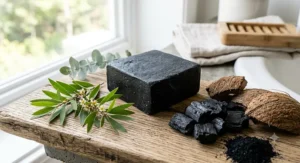
What sets this bar apart is the trio of bentonite clay, Himalayan pink salt, and activated charcoal working together, which gives it a broader detoxifying profile than single-ingredient charcoal bars. The bentonite clay pulls double duty by binding to oil the same way charcoal does, while the pink salt offers mild mineral exfoliation, so you’re not relying on charcoal alone to do all the heavy lifting.
Here’s what most buyers overlook about this one: it’s marketed as suitable for teens, men, and women with oily skin, and the shea butter and coconut oil in the base keep the bar from feeling stripping despite the triple-detox ingredient list. That combination matters if your oily skin also runs a little reactive, since a pure clay-and-charcoal bar with no emollients can tip into dryness fast. A commonly cited theme in aggregated reviews is that the Keika Charcoal Bar noticeably reduces back acne breakouts, and more than one reviewer mentions repurposing it to clean makeup brushes — a small but telling sign of how thoroughly it lifts oil and residue.
Pros:
- ✅ Triple-action formula: charcoal, bentonite clay, and salt
- ✅ Gentle enough for daily face and body use
- ✅ Doubles as an effective makeup brush cleanser
Cons:
- ❌ Higher price than basic drugstore charcoal bars
- ❌ Mineral salt content may feel gritty for very sensitive skin
At $12-$16, it lands in the mid-range, and the value case holds up well if you’re using one bar to replace both a face wash and a body soap.
3. Asepxia Charcoal Bar — sharpest choice for active blackhead extraction
The headline feature here is the addition of salicylic acid, an oil-soluble acid that can actually penetrate into the pore itself rather than just working on the surface the way charcoal does alone. That combination is what makes this bar stand out from nearly every other option on this list: charcoal draws impurities toward the surface while salicylic acid works from inside the follicle to loosen the plug that forms a blackhead in the first place.
Based on the ingredient interaction, this is arguably the most clinically minded bar in the lineup, closer in spirit to a treatment product than a purely cosmetic soap. It suits people whose main complaint is visible blackheads on the nose and chin rather than general oiliness alone, though the salicylic acid means it’s not the gentlest option for first-time charcoal soap users. Aggregated feedback repeatedly flags it as a favorite among people managing recurring blackhead clusters, with a common note that visible pore congestion improves within a couple of weeks of consistent use.
Pros:
- ✅ Combines charcoal with pore-penetrating salicylic acid
- ✅ Specifically effective against blackhead-prone areas
- ✅ Very affordable for an active-ingredient formula
Cons:
- ❌ Can be drying if used more than once daily
- ❌ Not ideal for skin already using other acid treatments
Priced under $10, it delivers outsized value for anyone whose main frustration is blackheads specifically rather than oiliness in general.
4. Aspen Kay Naturals Dead Sea Mud & Charcoal Soap Bar — best for combination oily skin that still needs hydration
This bar leans on Dead Sea mud alongside activated charcoal, a combination that widens its mineral-drawing power beyond what charcoal manages solo. Dead Sea mud is loaded with magnesium and other trace minerals that have a long history in skin care for calming inflammation, so pairing it with charcoal means you get oil absorption plus a soothing counterbalance in the same bar.
What most buyers overlook about this formula is the essential oil trio of eucalyptus, peppermint, and lemongrass, which does more than add scent — each of those oils carries mild antimicrobial properties that support the acne-fighting side of the equation. This makes it a strong option for combination oily skin, where the T-zone runs slick but the cheeks can still feel tight and reactive after a harsh cleanser. Reviewers frequently mention the “woodsy, minty” scent as a mood-lifting bonus, and several specifically call out that it manages oil without leaving the dry patches other charcoal bars can cause.
Pros:
- ✅ Dead Sea mud adds mineral, anti-inflammatory benefits
- ✅ Essential oil blend supports antimicrobial action
- ✅ Balances oil control with noticeable hydration
Cons:
- ❌ Essential oil scent may be strong for fragrance-sensitive users
- ❌ Smaller bar size means it doesn’t last as long as some competitors
At $10-$14, it’s a fair mid-range pick, particularly for combination skin types who’ve been burned by overly stripping charcoal formulas before.
5. O Naturals Activated Charcoal Black Soap Bar — best for acne paired with dark spots
Built on the African black soap tradition, this bar’s standout feature is how it blends charcoal’s oil-absorbing power with the exfoliating, skin-brightening reputation African black soap already carries. Traditional black soap has long been used for tackling dark spots and uneven tone, so folding activated charcoal into that base creates a bar aimed at two problems at once: active breakouts and the marks they leave behind.
On paper this means you’re getting a two-in-one approach that a single-purpose charcoal bar can’t offer — most competitors focus purely on oil and impurities, not post-acne discoloration. That distinction matters because dark spots and hyperpigmentation are often the longer-lasting frustration once a breakout itself has cleared. Aggregated customer sentiment consistently praises its brightening effect on dark spots over several weeks of use, while also noting it holds its own as an oil-control bar for people managing pimples and general shine.
Pros:
- ✅ Dual action on both acne and post-acne dark marks
- ✅ Rooted in a long tradition of African black soap skin care
- ✅ Reasonably priced for a dual-purpose formula
Cons:
- ❌ Traditional black soap bars can vary in consistency batch to batch
- ❌ May feel less “spa-like” than boutique charcoal bars
Priced in the $8-$12 range, it’s a smart value pick for anyone whose skin concern list includes more than just oil control.
6. Yellow Bird Activated Charcoal Soap — best small-batch option for sensitive-oily skin
The standout here is the ingredient list itself: organic vegetable oils, shea butter, activated charcoal, and a lavender-lemongrass essential oil blend, with zero artificial additives, parabens, or sulfates. That “nothing extra” formulation philosophy is exactly what makes it stand out from mass-market charcoal bars, which often bulk up their ingredient decks with synthetic fragrance and foam boosters that can aggravate reactive, oily-but-sensitive skin.
Here’s what the spec sheet won’t tell you outright, but the clean formula strongly implies: this bar is built for people who’ve tried a “regular” charcoal soap and found it too harsh, not because charcoal itself is the problem but because of everything else riding along with it. Shea butter in the base does real work here, replenishing lipids that the charcoal and cleansing surfactants pull away during the wash. Reviewer sentiment around lavender-lemongrass charcoal bars in this style tends to emphasize the calming, spa-like wash experience alongside genuine improvement in oiliness and breakouts, without the tightness some synthetic-fragrance bars leave behind.
Pros:
- ✅ Free of parabens, sulfates, and artificial additives
- ✅ Shea butter offsets charcoal’s naturally drying tendency
- ✅ Calming lavender-lemongrass scent profile
Cons:
- ❌ Premium, small-batch pricing versus mass-market bars
- ❌ Softer bar texture means it dissolves faster if left wet
At $10-$15, it’s positioned as the “treat yourself” pick on this list — worth it if sensitivity has kept you away from charcoal soap until now.
7. Neutriherbs Activated Charcoal Black Soap — best for mild acne without the over-drying trade-off
The defining feature of this bar is its deliberate balance: activated charcoal for oil and impurity control, paired with palm oil, coconut oil, and glycerin specifically to prevent the over-drying that plagues so many charcoal formulas. The brand positions it explicitly for adults with mild acne, which is a narrower and more honest claim than the “cures everything” language a lot of competitors use.
Based on the spec comparison, the anti-inflammatory role of the palm oil is what elevates this bar above a basic charcoal-and-water formula — reducing swelling around active blemishes while the charcoal handles the oil and debris that caused them. It’s worth noting upfront that the brand itself flags this as not ideal for dry or sensitive skin, since the sodium hydroxide base combined with charcoal’s natural absorbency can be a lot for already-compromised skin barriers. For oily, blackhead-prone faces dealing with mild, manageable breakouts rather than cystic acne, though, it hits a sensible middle ground. Aggregated feedback highlights unclogged pores and reduced blackhead visibility as the most repeated benefit, alongside praise for the brightening effect on overall dullness.
Pros:
- ✅ Balances charcoal’s oil control with anti-inflammatory oils
- ✅ Formulated specifically for mild, manageable acne
- ✅ Brightens dullness alongside its acne benefits
Cons:
- ❌ Not recommended for dry or sensitive skin types
- ❌ Requires consistent moisturizing follow-up to avoid tightness
At $12-$18, it’s a mid-range investment that earns its keep if “mild acne with dullness” is your specific combination of concerns.
Practical Usage Guide: Getting the Most Out of Charcoal Soap
Buying the right bar is only half the equation — how you use it in the first 30 days determines whether your skin thanks you or rebels. Start slow: use your chosen charcoal soap once daily, ideally at night, and see how your skin responds before adding a morning wash. Charcoal’s absorbing action is genuinely powerful, and dermatology sources note that daily overuse can strip more oil and moisture than your skin barrier appreciates, leading to redness and a rebound in oil production.
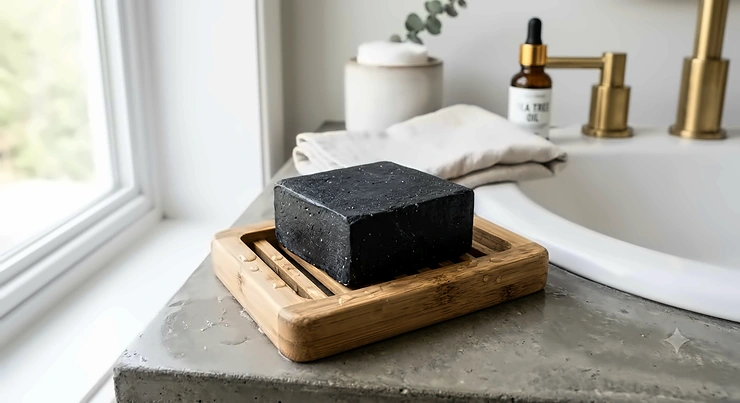
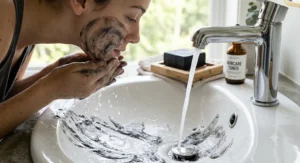
A common first-30-days mistake is scrubbing. Charcoal bars already contain a mild exfoliating action from their texture, so adding a washcloth, sponge, or aggressive circular motion on top just irritates already-inflamed skin — work the lather in gently with clean fingertips instead. Store your bar on a slatted, well-drained soap dish; a bar sitting in a puddle softens fast, dissolves unevenly, and can even harbor bacteria between uses, undermining the very cleanliness you bought it for.
Follow every wash with a lightweight, oil-free, non-comedogenic moisturizer, even though your instinct with oily skin might be to skip that step entirely. Skipping moisturizer is one of the most common self-sabotaging habits oily-skin users fall into, because stripped, dehydrated skin often compensates by producing even more oil. Give the routine two to three weeks before judging results — charcoal soap works incrementally on sebum regulation and pore congestion, not overnight.
✨ Don’t Miss These Exclusive Deals!
🔍 Take your skincare routine to the next level with these carefully selected charcoal soap picks. Click on any highlighted item to check current pricing and availability. These bars will help you build the clear, balanced complexion your future self will thank you for!
Real-World Scenarios: Matching the Soap to Your Life
The budget-conscious college student: Living in a dorm with shared bathroom shelf space and a tight budget, this person needs something affordable, multi-purpose, and low-maintenance. The Bioré Pore Penetrating Charcoal Bar or Asepxia Charcoal Bar both fit here — both are under $10, widely available at any pharmacy, and don’t require a whole shelf of follow-up products to work properly.
The desk-job commuter with a visible, shiny T-zone by lunchtime: Sitting under fluorescent lights for eight hours a day tends to make midday shine painfully obvious. Someone in this position benefits most from a bar with a stronger, more targeted oil-absorption profile, like the Asepxia Charcoal Bar for its salicylic acid boost or the Aspen Kay Naturals Dead Sea Mud & Charcoal Soap Bar for its mineral-heavy formula, paired with blotting papers midday as the AAD suggests for shine control.
The reactive, easily-irritated combination-skin user: If past attempts at “purifying” or “detox” products have left your face red and tight rather than clear, gentler is the answer, not stronger. The Yellow Bird Activated Charcoal Soap or Neutriherbs Activated Charcoal Black Soap, both built with moisture-replenishing oils alongside the charcoal, are the safer starting points, used just three to four times a week rather than daily until your skin shows it can tolerate more.
What Is Charcoal Soap for Oily and Acne-Prone Skin?
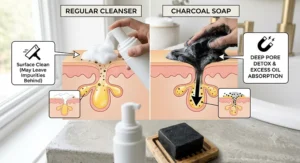
Charcoal soap for oily and acne-prone skin is a cleansing bar infused with activated charcoal, a highly porous carbon that adsorbs excess sebum, dirt, and impurities from the skin’s surface and pores. It’s designed to mattify shine, reduce blackhead formation, and support a clearer complexion without stripping the skin entirely of moisture.
The key word there is “adsorbs” rather than “absorbs” — activated charcoal doesn’t soak liquid up like a paper towel so much as it binds particles to its enormous internal surface area, a distinction that’s part of why it’s been used medically for decades in emergency poisoning treatment before skincare brands ever touched it.
How to Choose Charcoal Soap for Oily and Acne-Prone Skin
- Check the ingredient list beyond charcoal. A bar built entirely around charcoal and sodium hydroxide with no oils or butters is far more likely to over-dry than one that includes shea butter, coconut oil, or glycerin.
- Match active ingredients to your specific complaint. If blackheads are your main issue, look for charcoal paired with salicylic acid, like the Asepxia Charcoal Bar. If general dullness alongside acne is the concern, a black-soap-based formula like O Naturals Activated Charcoal Black Soap Bar covers more ground.
- Consider your sensitivity level honestly. Fragrance-heavy or essential-oil-rich bars can be wonderful for some skin and irritating for others — patch test on your inner arm before committing your whole face.
- Factor in how the bar is stored and used. A bar that dissolves fast in a wet dish isn’t necessarily bad, it just needs a proper draining soap dish to deliver its full value per dollar.
- Read aggregated reviews for your specific skin type, not just star ratings. A 4.5-star average tells you little if most reviewers have dry skin and you have oily, acne-prone skin — filter for people describing your same concerns.
- Start with a smaller or cheaper bar first. Even the best-reviewed charcoal soap can be a mismatch for your unique skin chemistry, so it’s smarter to test a budget option before investing in a premium, small-batch bar.
- Plan your moisturizer and sunscreen pairing in advance. Charcoal soap is one part of a routine, not the whole thing — the AAD’s acne skin care guidance is consistent that a full routine outperforms any single product.
Activated Charcoal Face Soap: What Makes the Formula Different
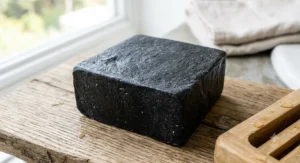
Not every charcoal soap is created equal, and the phrase “activated charcoal face soap” gets used pretty loosely across the market. The meaningful distinction is between charcoal that’s genuinely “activated” — meaning it’s been processed with heat and gas to massively increase its surface area and adsorption capacity — versus soaps that simply add a pinch of regular charcoal powder for color and marketing appeal.
A real activated charcoal face soap should list “activated charcoal” or “activated carbon” specifically on the ingredient panel, not just “charcoal.” That distinction genuinely affects performance: activated charcoal’s porous structure is what gives it the surface area to trap oil and bacteria, and a soap using inactive charcoal powder is mostly along for the ride cosmetically. Among the seven bars covered here, all explicitly use the activated form, which is part of why they’re worth considering over vaguer “charcoal-infused” products crowding shelf space at the drugstore.
Activated Charcoal Detox: Fact vs Marketing Hype
The word “detox” gets stamped on everything from smoothies to face masks, and charcoal soap marketing leans on it constantly. Here’s the honest version: activated charcoal doesn’t detoxify your bloodstream or pull “toxins” out of your organs through your skin — that’s not how skin or charcoal chemistry works, and no credible dermatology source supports that broader claim.
What activated charcoal genuinely does, and what research on its adsorption properties actually supports, is bind surface-level impurities: excess sebum, environmental grime, and some bacteria sitting in and around your pores. That’s a real, useful benefit for oily and acne-prone skin, just a much narrower one than “detox” implies. Treat the marketing term as shorthand for “deep surface cleanse,” not a literal claim, and you’ll have realistic expectations that match what these bars can actually deliver.
Blackhead Extraction 101: Can a Bar of Soap Really Pull Them Out?
Blackhead extraction is one of the most searched charcoal soap benefits, and it’s also the most misunderstood one. A blackhead forms when a clogged pore’s contents oxidize and darken at the surface — it isn’t dirt, despite how it looks, but a mix of sebum, dead skin cells, and keratin. Charcoal soap doesn’t physically “extract” a fully formed blackhead the way a metal extractor tool or a professional facial would.
What it does do, based on how its adsorption works, is reduce the raw materials — excess oil and surface debris — that feed new blackheads before they form, while its mild exfoliating texture helps loosen the top layer of an existing one over repeated washes. Reviewers who report blackheads “extracting” or improving with charcoal soap are usually describing this gradual loosening and prevention effect rather than an instant pop-and-pull result. For genuinely stubborn, deeply embedded blackheads, pairing a charcoal bar with a salicylic-acid-based product, like the Asepxia Charcoal Bar offers in one step, tends to work meaningfully better than charcoal alone.
Taming the Oily T-Zone: A Targeted Approach
The T-zone — forehead, nose, and chin — carries the highest concentration of sebaceous glands on the face, which is exactly why it shines faster and clogs more easily than your cheeks or jawline. Charcoal soap’s oil-adsorbing action is particularly well-suited to this zone specifically, since it’s targeting the exact problem, excess sebum, that the T-zone produces in surplus.
A smart approach for a persistently oily T-zone is double cleansing that area specifically during a breakout flare — not the whole face, just going back over the forehead, nose, and chin with a small extra dab of lather before rinsing. This targeted technique avoids over-drying your cheeks while still giving the oiliest real estate the extra attention it needs. Following with a mattifying, oil-free moisturizer just on the T-zone, and a slightly richer one on drier cheek areas if needed, is a simple way to treat combination oily skin as the two different zones it actually is.
Common Mistakes When Buying Charcoal Soap for Oily Skin
The single biggest mistake is assuming “charcoal” on the label automatically means the formula is right for acne-prone skin — some charcoal soaps are built for dry or normal skin and will only make oily, acne-prone skin feel tighter and shinier by the afternoon rebound. A close second is ignoring fragrance and essential oil content; a beautifully reviewed lavender-and-charcoal bar can still be a poor match if your skin reacts to essential oils specifically, regardless of how gentle the base formula is otherwise.
Buyers also frequently overlook bar size and cost-per-wash, focusing purely on the sticker price rather than how long a 4-ounce bar actually lasts versus a 5-ounce one at a similar price. Finally, skipping the patch test is a mistake that’s easy to avoid and expensive to ignore — applying a new charcoal soap straight to your whole face, especially one with salicylic acid or strong essential oils, risks a reaction spreading across visible skin rather than a small, manageable test patch.
Charcoal Soap vs Traditional Bar Soap for Oily Skin
| Factor | Charcoal Soap | Traditional Bar Soap |
|---|---|---|
| Oil absorption | High — porous structure binds sebum | Minimal — mainly relies on surfactants |
| Pore-clearing action | Moderate, gradual over time | Low, mostly surface cleansing |
| Risk of over-drying | Moderate to high with daily use | Varies widely by formula |
| Best for | Oily, acne-prone, T-zone shine | General cleansing, normal skin |
The comparison above makes the trade-off pretty clear: traditional bar soap is a safer, more neutral bet for normal or dry skin, but it simply isn’t built to tackle the specific sebum-and-impurity problem that oily, acne-prone skin deals with daily. Charcoal soap’s adsorption properties give it a real functional edge for this particular skin type, though that same strength is precisely why it needs to be paired with a proper moisturizing follow-up rather than used as a standalone, do-everything product.
Features That Actually Matter (And Those That Don’t)
Skip the marketing noise around scent complexity, fancy packaging, and vague “detox blend” language — none of it changes how the soap performs on your skin. What actually matters is the presence of genuinely activated charcoal (not just charcoal-colored soap), a supporting oil or butter to offset dryness, and, if blackheads are your priority, a companion active ingredient like salicylic acid.
Bar size and price-per-ounce matter more than most buyers realize, since a slightly pricier bar that lasts twice as long is the better long-term value even if the upfront cost looks higher. On the other hand, claims like “removes toxins from the bloodstream” or “cures cystic acne overnight” are the features that don’t matter — or rather, don’t exist — and should be treated as a red flag for a brand overselling what charcoal chemistry can realistically do.
Long-Term Cost & Maintenance for Charcoal Soap Users
A typical charcoal soap bar, used once or twice daily, lasts roughly four to six weeks depending on size and how well it’s stored on a draining dish. At price points spanning under $8 to around $18, that works out to a genuinely low monthly cost compared to liquid cleansers or multi-step acne treatment systems, many of which run considerably higher per ounce.
The real long-term cost consideration isn’t the soap itself, though — it’s the moisturizer, sunscreen, and occasional spot treatment you’ll want alongside it for a complete routine, since no single bar soap replaces a full regimen. Buying two bars at once, one for testing a new formula and one as your reliable daily backup, is a simple way to avoid an awkward gap in your routine when your current bar runs out mid-week.
Frequently Asked Questions
❓ Is charcoal soap good for oily and acne-prone skin?
❓ Can charcoal soap remove blackheads completely?
❓ How often should I use activated charcoal soap on oily skin?
❓ Does charcoal soap actually detox the skin?
❓ What ingredients pair well with charcoal soap for oily T-zones?
Conclusion
Oily, acne-prone skin doesn’t need a ten-step routine or an expensive dermatology visit to see real improvement — sometimes it just needs the right bar of soap and a little patience. Across all seven picks here, the common thread is genuine, activated charcoal doing the job it’s actually good at: pulling excess oil and surface debris away from skin that produces more of both than it knows what to do with.
Whether you land on the budget-friendly Bioré Pore Penetrating Charcoal Bar, the blackhead-focused Asepxia Charcoal Bar, or a gentler small-batch option like Yellow Bird Activated Charcoal Soap, the real key to results is consistency, a proper moisturizer follow-up, and realistic expectations about what a single bar of soap can and can’t do. Give any of these a full month before judging them, store the bar properly, and pair it with the AAD’s broader oily skin care guidance for the best shot at a genuinely clearer, less shiny complexion.
Recommended for You
- Bentonite Clay Bar Soap Reviews for Oily Skin: 7 Picks (2026)
- Mattifying Bar Soap for Oily Face: 7 Picks That Actually Work (2026)
- Bar Soap for Dry Skin in Older Adults: 7 Best Gentle Picks (2026)
Disclaimer: This article contains affiliate links. As an Amazon Associate, I earn from qualifying purchases. If you purchase products through these links, we may earn a small commission at no additional cost to you.
✨ Found this helpful? Share it with your friends! 💬🤗
