
In This Article
✨Was this helpful? Spread the word! 🚀
Let’s talk about something most of us don’t think twice about—soap. But here’s the thing: not all soap is created equal. If you’ve been battling persistent skin issues, dealing with recurring infections, or just want that extra layer of protection for your family’s health, medicated soap might be your new best friend.

I remember when my dermatologist first recommended I switch from my fancy boutique soap to something more medicinal. I was skeptical—would it smell like a hospital? Would it dry out my skin? Turns out, medicated soap formulations have come a long way. Modern options combine therapeutic ingredients with gentle cleansing properties that actually nourish while they protect.
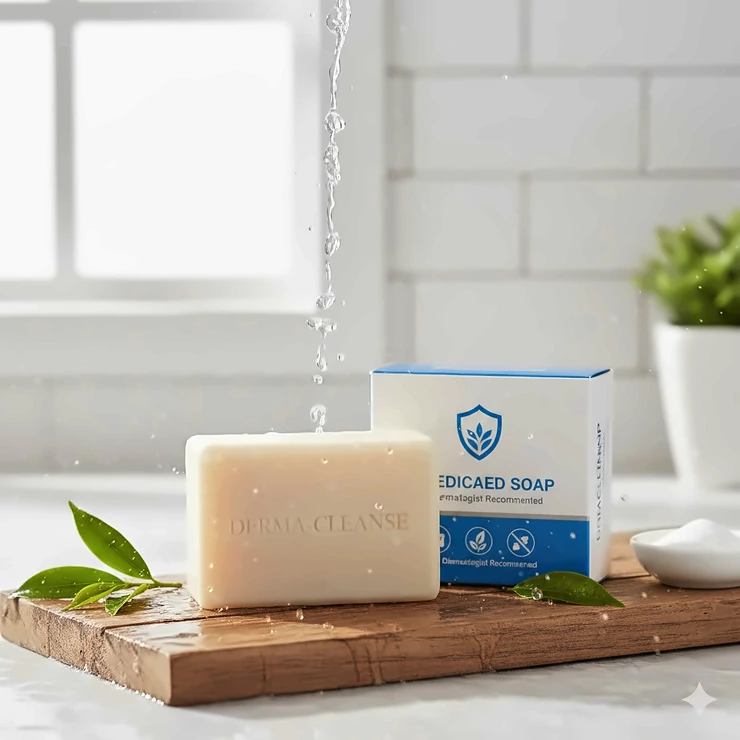
Medicated soap is essentially a cleansing bar or liquid soap that contains active pharmaceutical or antimicrobial ingredients designed to treat or prevent specific skin conditions. Unlike regular soap that merely removes dirt and oils, these specialized formulations actively work against bacteria, fungi, or other skin concerns. They’re particularly valuable for people with conditions like acne, eczema, athlete’s foot, or those exposed to environments where bacterial or fungal infections are common, such as gyms, locker rooms, or healthcare settings.
The market for antibacterial and therapeutic soaps has exploded in recent years, with consumers becoming increasingly health-conscious. According to the Centers for Disease Control and Prevention, proper hand hygiene remains one of the most effective ways to prevent disease transmission, and choosing the right soap plays a crucial role in that equation.
Whether you’re an athlete looking to prevent ringworm, someone managing chronic skin conditions, or simply want superior hygiene protection for your household, this comprehensive guide will walk you through everything you need to know about choosing and using medicated soap effectively.
Quick Comparison Table
| Product | Key Ingredient | Best For | Price Range | Rating |
|---|---|---|---|---|
| Defense Antifungal Bar | 1% Tolnaftate | Fungal infections, Athletes | $12-15 | 4.6/5 |
| Tetmosol Medicated Soap | Citronella, Monosulfiram | Skin infections, Bug barrier | $15-20 (4-pack) | 4.3/5 |
| Metasol Medicated Soap | Sulfur compounds | Acne, blemishes | $8-12 | 4.2/5 |
| Dial Gold Antibacterial | Clean Rinse Technology | Daily antibacterial protection | $25-40 (bulk) | 4.7/5 |
| Neutrogena Acne Bar | Glycerin, No harsh detergents | Acne-prone, Oily skin | $6-15 | 4.5/5 |
| Safeguard Micellar Bar | Micellar deep cleansing | Family protection, All skin types | $15-25 | 4.6/5 |
| CeraVe SA Cleanser Bar | Salicylic Acid, Ceramides | Rough/bumpy skin, KP | $8-12 | 4.7/5 |
💬 Just one click – help others make better buying decisions too! 😊
✨ Ready to Transform Your Skin Care Routine?
These medicated soap options offer professional-grade protection and treatment right in your own bathroom. Click on any product name above to check current availability and customer reviews on Amazon. Your skin deserves the best care possible! 🛁
Top 7 Medicated Soap Products: Expert Analysis
1. Defense Antifungal Medicated Bar Soap
When it comes to fighting tough fungal infections, Defense Antifungal Bar doesn’t mess around. This powerhouse contains 1% tolnaftate, which is FDA-approved to treat athlete’s foot, jock itch, and ringworm—those annoying conditions that athletes and gym-goers know all too well.
Key Specifications:
- Active ingredient: 1% Tolnaftate (antifungal medication)
- Additional ingredients: Tea tree oil, eucalyptus oil
- Size: 4 oz bar with snap-tight case
- Price: $12-15 per bar
Created by youth wrestling coach Guy Sako after a skin infection outbreak among his team, this soap was born out of necessity. The formula combines medical-grade antifungal treatment with natural essential oils that have antimicrobial properties. Users report seeing improvement within just a few days of consistent use.
Customer Feedback: Reviewers rave about its effectiveness against stubborn fungal infections. One user noted that after years of struggling with prurigo nodularis, the affected area shrunk to one-third its original size after using Defense soap. Athletes particularly appreciate that it keeps them “in the game” without the embarrassment of visible skin conditions.
✅ Pros:
- Medical-grade antifungal formula
- Includes convenient protective case for gym bags
- Natural tea tree and eucalyptus provide pleasant scent
- Proven effective in clinical settings
❌ Cons:
- Higher price point than regular soap
- May be too strong for sensitive facial skin
Best for: Athletes, wrestlers, MMA fighters, anyone exposed to locker room environments, or individuals with recurring fungal skin infections.
2. Tetmosol Medicated Soap with Citronella
Here’s a medicated soap that does double duty—it fights skin infections while also acting as a natural bug repellent. Tetmosol Medicated Soap has been a trusted name for decades, particularly popular in regions where mosquito-borne illnesses are a concern.
Key Specifications:
- Active ingredients: Monosulfiram, citronella oil
- Size: 2.88 oz (75-100g) per bar
- Price: $15-20 for 4-pack
- Scent: Fresh lime/citronella fragrance
The soap’s monosulfiram acts as an antiseptic and antifungal agent, while citronella provides natural insect-repelling properties. It’s particularly effective for conditions like eczema relief and general skin irritation. The formulation has a distinctive lime-like freshness that many users find invigorating, especially in hot weather.
Customer Feedback: Users report significant improvement in skin infections and back acne, with some noting up to 95% reduction in breakouts. However, opinions are mixed on the warming sensation it creates—some find it refreshing while others find it uncomfortable.
✅ Pros:
- Dual action: treats infections and repels insects
- Affordable multi-pack options
- Effective for eczema and dermatitis
- Long-lasting bars
❌ Cons:
- Strong citronella scent not for everyone
- Can cause warming sensation that some find intense
Best for: People living in humid climates, those with recurring skin infections, eczema sufferers, and anyone wanting natural bug protection.
3. Metasol Medicated Soap Metapharma
For those battling acne and blemishes, Metasol Medicated Soap brings pharmaceutical-grade treatment to your daily cleansing routine. This 80g bar packs sulfur compounds known for their ability to dry out acne lesions and reduce inflammation.
Key Specifications:
- Active ingredients: Sulfur compounds, antiseptic agents
- Size: 80g (2.8 oz) bar
- Price: $8-12 per bar
- Origin: Pharmaceutical-grade formulation
Sulfur has been used in dermatology for centuries due to its keratolytic (skin-peeling) and antimicrobial properties. Metasol leverages this time-tested ingredient in a gentle bar format that’s suitable for daily use on both face and body. It works by promoting cell turnover and preventing the bacterial growth that leads to acne.
Customer Feedback: Users appreciate its effectiveness for stubborn acne and its ability to work where other treatments have failed. The pharmaceutical-grade quality gives users confidence in its safety and efficacy.
✅ Pros:
- Pharmaceutical-grade quality
- Effective for stubborn acne
- Helps fade acne scars and dark spots
- Affordable price point
❌ Cons:
- Sulfur scent takes getting used to
- Can be drying without proper moisturizer follow-up
Best for: Teens and adults with moderate to severe acne, those with oily skin prone to breakouts, and people seeking affordable pharmaceutical-grade acne treatment.
4. Dial Antibacterial Gold Bar Soap
The Dial Antibacterial Gold soap is an American icon—that distinctive gold color and crisp scent have been trusted by families since the 1940s. As the #1 antibacterial bar soap brand in the US (based on 2025 sales data), Dial has earned its reputation through consistent effectiveness and reliability.
Key Specifications:
- Technology: Dial Clean Rinse Technology
- Size: 4 oz bars (available in bulk packs)
- Price: $25-40 for 32-bar pack (approximately $1.25 per bar)
- Antibacterial effectiveness: 99.9% of household bacteria
The Clean Rinse Technology is what sets modern Dial apart—it cleanses deeply while being remarkably gentle on skin. The formula is free from SLS/SLES, parabens, phthalates, and silicones, making it suitable even for sensitive skin. It’s also certified cruelty-free under the Leaping Bunny program.
Customer Feedback: Users love the nostalgic scent and reliable performance. Many report it’s effective at controlling body odor while leaving skin feeling clean but not stripped. The bulk packaging makes it economical for large families.
✅ Pros:
- Trusted brand with 75+ year legacy
- Excellent value in bulk packages
- Suitable for whole family
- Round-the-clock odor protection
❌ Cons:
- Scent may be too strong for some preferences
- Bulk packages require storage space
Best for: Families seeking reliable daily antibacterial protection, people with active lifestyles who need odor control, and budget-conscious consumers who buy in bulk.
5. Neutrogena Facial Cleansing Bar for Acne-Prone Skin
From the #1 dermatologist-recommended acne brand comes the Neutrogena Facial Cleansing Bar—a transparent soap that’s been a bathroom staple for generations. What makes this 3.5 oz bar special is what it doesn’t contain: no harsh detergents, dyes, or hardeners that can irritate sensitive acne-prone skin.
Key Specifications:
- Formula: Glycerin-rich, hypoallergenic
- Size: 3.5 oz transparent bar
- Price: $6-15 (single or multi-packs)
- Special features: Non-comedogenic, residue-free
The glycerin-rich formula removes excess oil without over-drying—a delicate balance that many acne products fail to achieve. It’s specifically designed to rinse completely clean, leaving no pore-clogging residue that could interfere with acne medications. The transparent amber color comes from the unique manufacturing process using triethanolamine to create an exceptionally gentle bar.
Customer Feedback: Long-time users (some for 40+ years!) praise its gentle effectiveness. Many note it’s the only soap that makes their face feel truly clean without tightness or dryness. Users with extremely oily skin report it helps control sebum production when used consistently twice daily.
✅ Pros:
- Dermatologist-recommended for decades
- Won’t interfere with acne medications
- Gentle enough for twice-daily use
- No artificial dyes or fragrances
❌ Cons:
- Gets used up quickly due to soft formula
- Limited foam compared to harsh cleansers
Best for: People with acne-prone skin, those using prescription acne treatments, individuals with oily skin, and anyone seeking a gentle facial cleanser that actually works.
6. Safeguard Micellar Deep Cleansing Bar Soap
Safeguard Micellar brings cutting-edge cleansing technology to the humble bar soap format. With over 60 years of family protection experience, Safeguard has evolved its formula to include micellar technology—tiny oil molecules that attract and lift away dirt, oil, and impurities like a magnet.
Key Specifications:
- Technology: Micellar deep cleansing formula
- Size: 3.2-4 oz bars
- Price: $15-25 for 8-count pack
- Effectiveness: Washes away 99% of bacteria
- Special ingredient: Aloe for skin softening
The micellar formula is the same technology used in expensive French cleansing waters, now available in an affordable bar soap. It’s dermatologically endorsed by the Skin Health Alliance, giving users confidence in both its safety and effectiveness. The addition of aloe helps counteract any drying effects while leaving skin feeling soft and fresh.
Customer Feedback: Families love its gentle yet effective cleaning power. Users report it’s strong enough to remove workout sweat and grime but gentle enough for children’s sensitive skin. The fresh clean scent is pleasant without being overwhelming.
✅ Pros:
- Advanced micellar cleansing technology
- Endorsed by Skin Health Alliance
- Gentle on all skin types
- Great for family use
❌ Cons:
- May not be strong enough for severe fungal infections
- Some find scent too subtle
Best for: Families wanting superior daily hygiene, people with normal to sensitive skin, those who prefer gentle but effective cleansing, and parents seeking safe soap for children.
7. CeraVe SA Cleanser Bar with Salicylic Acid
The CeraVe SA Cleanser Bar is a game-changer for anyone struggling with rough, bumpy skin texture, particularly keratosis pilaris (those annoying little bumps on the backs of arms). This 4.5 oz bar combines chemical and physical exfoliation in one soap-free formula.
Key Specifications:
- Active ingredient: Salicylic acid (BHA exfoliant)
- Physical exfoliant: Spherical jojoba beads
- Essential ceramides: 1, 3, and 6-II
- Price: $8-12 per bar
- Size: 4.5 oz
The dual-action exfoliation is what makes this bar unique—salicylic acid provides chemical exfoliation to dissolve dead skin cells, while gentle jojoba beads offer physical exfoliation without scratching or damaging the skin barrier. The three essential ceramides help restore and maintain skin’s protective barrier, preventing moisture loss.
Customer Feedback: Users with genetic dry skin conditions report this is “life-changing” soap. One reviewer noted it’s the first product that made manual exfoliation easier and more effective. People with keratosis pilaris see visible improvement within weeks of consistent use.
✅ Pros:
- Dermatologist-developed formula
- Dual exfoliation without irritation
- Helps with keratosis pilaris and rough texture
- Maintains its shape even when wet
❌ Cons:
- Increases sun sensitivity (requires sunscreen)
- Higher price than regular bar soap
Best for: People with keratosis pilaris, those with rough/bumpy skin texture, individuals with flaky or dry skin conditions, and anyone seeking professional-grade exfoliation in bar soap form.
🎯 Find Your Perfect Match
Each of these medicated soaps brings something unique to the table. Consider your specific skin concerns, lifestyle, and budget when making your choice. Remember, what works miracles for one person might not be ideal for another—skincare is wonderfully personal! 💫
Understanding Different Types of Medicated Soap
Antibacterial vs. Antimicrobial: What’s the Difference?
Here’s something that confused me for years—aren’t antibacterial and antimicrobial the same thing? Actually, no. Antibacterial soap specifically targets bacteria (like E. coli or Staphylococcus), while antimicrobial soap has a broader spectrum of action, fighting bacteria, fungi, and sometimes even viruses.
Think of it this way: all antibacterial soaps are antimicrobial, but not all antimicrobial soaps are purely antibacterial. For most daily hygiene needs, a good antimicrobial formula offers the most comprehensive protection. However, if you’re dealing with a specific bacterial infection, targeted antibacterial treatment might be more effective.
The Food and Drug Administration actually banned 19 antibacterial chemicals in consumer soaps back in 2016, including triclosan and triclocarban, due to concerns about bacterial resistance and hormonal effects. Modern medicated soaps use alternative active ingredients that are both effective and safe for long-term use.
Antifungal Formulations
Antifungal soaps are lifesavers for athletes and anyone prone to fungal infections. These formulations typically contain ingredients like tolnaftate, tea tree oil, or sulfur compounds that specifically target fungal organisms. Common conditions treated include:
- Athlete’s foot (tinea pedis): That itchy, burning sensation between toes
- Jock itch (tinea cruris): Uncomfortable groin area infection
- Ringworm (tinea corporis): Despite the name, it’s actually a fungal infection, not a worm
- Fungal body acne: Often mistaken for regular acne
If you’re someone who frequents gyms, pools, or communal showers, an antifungal soap should be your go-to for prevention. The key is consistency—use it daily in high-risk areas even when you don’t have active symptoms.
Therapeutic Soaps for Skin Conditions
Some medicated soaps are formulated specifically for chronic skin conditions. These therapeutic varieties often contain ingredients like:
- Salicylic acid: Exfoliates dead skin cells, unclogs pores
- Benzoyl peroxide: Kills acne-causing bacteria
- Sulfur: Reduces inflammation, dries out pimples
- Coal tar: Slows skin cell growth (for psoriasis and eczema)
- Ceramides: Rebuild skin barrier function
My dermatologist once explained that therapeutic soaps work best as part of a comprehensive treatment plan. They’re not magic bullets, but when combined with appropriate moisturizers and lifestyle changes, they can significantly improve chronic conditions.
How Medicated Soap Works: The Science Behind Clean
Active Ingredients Breakdown
Let’s get a bit nerdy about how these soaps actually work. The magic happens through several mechanisms:
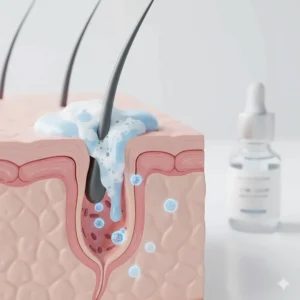
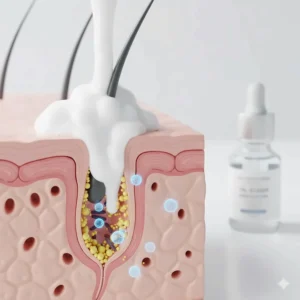
Surfactant Action: All soaps contain surfactants—molecules with one water-loving end and one oil-loving end. When you lather up, these molecules surround dirt, oil, and microbes, allowing water to wash them away. It’s like giving bacteria a little raft that floats right off your skin.
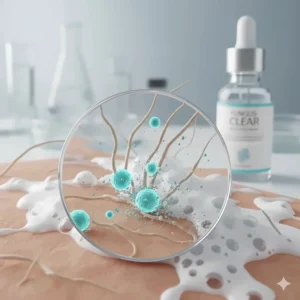
Antimicrobial Activity: Active ingredients in medicated soap don’t just wash away microorganisms—they actively kill or inhibit their growth. For example, tolnaftate disrupts fungal cell membranes, causing the fungus to leak its contents and die. Similarly, benzoyl peroxide releases oxygen that’s toxic to the anaerobic bacteria that cause acne.
pH Regulation: Healthy skin has a slightly acidic pH of around 4.5-5.5. Many medicated soaps are pH-balanced to maintain this protective acid mantle. When pH gets too alkaline, harmful bacteria can thrive while beneficial bacteria struggle.
Barrier Protection: Advanced formulations like CeraVe include ceramides and other lipids that actually strengthen your skin’s barrier function. This prevents moisture loss and keeps irritants out—sort of like weatherproofing your skin.
The Role of pH Balance
I used to think soap was soap—get it on, rinse it off, done. But pH matters more than you’d think. According to research published by Wikipedia on skin pH, disrupting your skin’s natural pH can lead to dryness, irritation, and increased susceptibility to infections.
High-quality medicated soaps are formulated to work with your skin’s natural chemistry rather than against it. This is why you might notice that some soaps leave your skin feeling tight and squeaky (often too alkaline), while others leave it feeling soft and comfortable (properly pH-balanced).
Duration and Frequency of Use
Here’s a question I get asked all the time: how long should you actually wash with medicated soap? The answer depends on the active ingredient:
- Antifungal soaps: Let lather sit for 1-2 minutes before rinsing to allow active ingredients to penetrate
- Antibacterial soaps: 20-30 seconds of vigorous lathering is usually sufficient
- Exfoliating soaps (with salicylic acid): 1-2 minutes contact time, used 1-2 times daily
- Therapeutic soaps for chronic conditions: Follow your dermatologist’s specific instructions
More isn’t always better—overwashing with strong medicated formulas can strip your skin’s natural protective oils, leading to dryness and irritation. For most people, once or twice daily use is optimal.
Benefits of Using Medicated Soap
Medical Benefits
The medical advantages of medicated soap extend far beyond basic cleanliness. Here’s what regular use can do for your health:
Infection Prevention: Regular use reduces your risk of bacterial and fungal infections by up to 99.9%. This is particularly crucial for people with compromised immune systems, diabetes, or those recovering from surgery.
Acne Management: Soaps containing salicylic acid or benzoyl peroxide reduce acne severity by keeping pores clear and reducing bacterial populations. Many dermatologists recommend them as first-line treatment before moving to prescription medications.
Eczema and Dermatitis Control: Therapeutic soaps can reduce flare-ups by minimizing skin irritation and maintaining proper hydration. The key is choosing formulas without harsh detergents that might trigger sensitivity reactions.
Odor Control: Beyond just masking smells, antibacterial soaps actually reduce the bacteria responsible for body odor. This is especially beneficial for people with hyperhidrosis (excessive sweating).
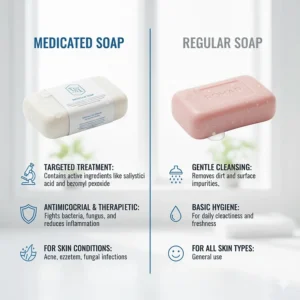
Comparison with Regular Soap
| Feature | Regular Soap | Medicated Soap |
|---|---|---|
| Primary Function | Remove dirt and oils | Treat/prevent specific conditions |
| Active Ingredients | Surfactants only | Pharmaceutical actives + surfactants |
| pH Level | Often alkaline (9-10) | Usually pH-balanced (5.5-7) |
| Cost | $1-3 per bar | $6-15 per bar |
| Residual Protection | None | Continues working after rinse |
| Skin Barrier Impact | May strip natural oils | Often includes barrier-supporting ingredients |
Regular soap does its job of cleaning, but medicated varieties actively work to improve skin health beyond the shower. Think of regular soap as a broom and medicated soap as a broom with a built-in disinfectant and repair kit.
Long-Term Skin Health
Consistent use of appropriate medicated soap can lead to cumulative benefits over time. I’ve noticed that my skin’s overall resilience has improved since switching to therapeutic formulas—fewer random breakouts, faster healing of minor cuts and scrapes, and better moisture retention.
Long-term users often report reduced need for spot treatments and prescription medications. When your daily cleansing routine includes therapeutic benefits, you’re essentially treating your skin proactively rather than reactively addressing problems as they arise.
Choosing the Right Medicated Soap for Your Needs
Skin Type Considerations
Your skin type should be the primary factor in selecting medicated soap. Here’s my quick guide:
Oily Skin: Look for soaps with salicylic acid or benzoyl peroxide. These ingredients help control excess sebum production while keeping pores clear. The Neutrogena Acne Bar or CeraVe SA Bar would be excellent choices.
Dry Skin: Choose formulas with added moisturizers like glycerin, ceramides, or hyaluronic acid. Avoid sulfates and harsh surfactants. The CeraVe SA Bar, despite containing salicylic acid, is actually great for dry skin because of its ceramide content.
Sensitive Skin: Opt for fragrance-free, hypoallergenic options with minimal ingredients. Look for products tested by dermatologists and avoid anything with synthetic dyes. Safeguard Micellar or Neutrogena Fragrance-Free formulas work well here.
Combination Skin: You might need different soaps for different body areas. Use gentler formulas on your face and more robust antibacterial options for areas prone to body acne or odor.
Mature Skin: As we age, skin becomes thinner and loses natural oils. Choose pH-balanced formulas with added moisturizers. Avoid overly stripping antibacterial formulas that might cause excessive dryness.
Common Skin Conditions and Recommended Products
Let me break down which soaps work best for specific conditions based on both research and real-world effectiveness:
Acne-Prone Skin:
- First choice: Neutrogena Acne Bar or Metasol Medicated Soap
- Why: Non-comedogenic formulas that won’t clog pores while treating existing breakouts
Keratosis Pilaris (Chicken Skin):
- First choice: CeraVe SA Cleanser Bar
- Why: Dual-action exfoliation specifically targets the dead skin cell buildup that causes KP
Athlete’s Foot / Fungal Infections:
- First choice: Defense Antifungal Bar
- Why: Medical-grade tolnaftate directly treats fungal organisms
Body Odor / Hyperhidrosis:
- First choice: Dial Gold or Safeguard Micellar
- Why: Long-lasting antibacterial protection continues working between showers
Eczema / Sensitive Skin:
- First choice: Safeguard Micellar (for mild cases)
- Why: Gentle cleansing without harsh detergents that trigger flare-ups
Age-Appropriate Options
Children (Ages 2-12): Safeguard Micellar offers gentle antibacterial protection suitable for young skin. Always patch test first and avoid medicated soaps with strong active ingredients unless prescribed by a pediatric dermatologist.
Teenagers (Ages 13-19): Acne becomes a major concern during puberty. The Neutrogena Acne Bar or Metasol provide effective treatment without the harshness of prescription-strength formulas. This is the time to establish good skincare habits.
Adults (Ages 20-50): Most adult users can handle stronger formulations. Choose based on specific needs—antifungal for athletes, antibacterial for those in healthcare, therapeutic for chronic conditions.
Seniors (Ages 50+): Gentler formulas with added moisturizers become increasingly important. The ceramide-rich CeraVe SA Bar offers treatment benefits without stripping aging skin’s limited natural oils.
How to Use Medicated Soap Effectively
Step-by-Step Application Guide
Getting the most from your medicated soap requires proper technique. Here’s the method I use and recommend:
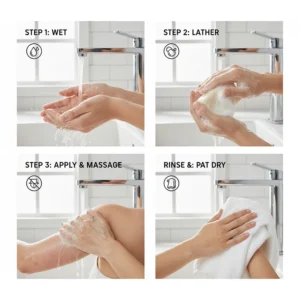
Step 1: Wet Your Skin Thoroughly Start with lukewarm water (not hot!) to open pores without stripping natural oils. Let water run over the treatment area for 15-20 seconds.
Step 2: Create a Rich Lather Rub the bar between your hands or on a washcloth to create foam. The lather helps spread active ingredients evenly and provides gentle mechanical cleansing action.
Step 3: Apply to Affected Areas Gently massage lather onto skin in circular motions. Don’t scrub aggressively—medicated soaps work through chemical action, not physical force. For antifungal soaps, pay special attention to areas between toes and skin folds.
Step 4: Allow Contact Time This is crucial! Let the lather sit on your skin for the recommended duration (usually 1-2 minutes). This contact time allows active ingredients to penetrate and work effectively. I often do this part while washing my hair to multitask.
Step 5: Rinse Thoroughly Use lukewarm water to remove all soap residue. Incomplete rinsing can leave irritating residue or interfere with other skincare products you’ll apply afterward.
Step 6: Pat Dry Gently Use a clean towel to pat (not rub) skin dry. Leaving skin slightly damp helps lock in moisture and provides the perfect canvas for applying moisturizer.
Step 7: Follow with Moisturizer Within 3 minutes of drying, apply an appropriate moisturizer to seal in hydration. This step is non-negotiable, especially with exfoliating or antibacterial soaps that can be drying.
Frequency and Timing
For Acne Treatment: Use twice daily (morning and evening) on affected areas. Morning use helps control daytime oil production, while evening use removes accumulated dirt and bacteria.
For Fungal Infections: Once daily is usually sufficient for prevention; twice daily during active infections. Always use after activities that cause sweating.
For Body Odor Control: Once daily use typically provides 24-hour protection with modern antibacterial formulas. Athletes might benefit from post-workout use in addition to morning showers.
For Sensitive Conditions: Start with once daily and gradually increase if tolerated. Some people need to alternate between medicated and gentle cleansers to prevent irritation.
Common Usage Mistakes to Avoid
❌ Over-washing: More frequent washing doesn’t equal better results. It actually damages your skin barrier and can worsen conditions.
❌ Using scorching hot water: Hot water strips protective oils and can irritate medicated formulas. Stick with lukewarm temperatures.
❌ Skipping contact time: Rinsing immediately after applying defeats the purpose. Active ingredients need time to work.
❌ Not moisturizing afterward: Medicated soaps can be drying. Always follow with appropriate moisturizer to maintain skin barrier.
❌ Using on unsuitable body parts: Some medicated soaps are too harsh for facial skin or mucous membranes. Read labels carefully.
❌ Mixing incompatible products: Using multiple medicated products simultaneously can cause irritation. Consult a dermatologist before combining treatments.
Safety Considerations and Precautions
Potential Side Effects
Even the best medicated soaps can cause side effects in some users. Here’s what to watch for:
Common Side Effects:
- Mild dryness or tightness (manageable with moisturizer)
- Temporary redness immediately after use
- Slight tingling sensation (especially with salicylic acid)
- Initial purging period with acne treatments (temporary worsening before improvement)
Serious Side Effects (Discontinue Use and Consult Doctor):
- Severe burning or stinging that doesn’t subside
- Rash, hives, or blistering
- Excessive dryness that doesn’t respond to moisturizer
- Signs of allergic reaction: swelling, difficulty breathing, severe itching
Special Considerations for Antifungal Soaps: Tolnaftate and other antifungal ingredients can cause skin irritation in sensitive individuals. If you experience persistent redness or worsening symptoms, you may have resistant fungus requiring prescription treatment.
Allergies and Sensitivities
I learned the hard way that even “gentle” medicated formulas can trigger reactions in sensitive individuals. Here’s how to minimize risk:
Patch Testing Protocol: Before using any new medicated soap all over, test it on a small area (inside of elbow or behind ear) for 48 hours. If no reaction occurs, proceed with cautious full use.
Common Allergens to Avoid:
- Fragrances (even “natural” essential oils can irritate)
- Parabens (preservatives that trigger reactions in some people)
- Sulfates (SLS/SLES cause dryness and irritation)
- Lanolin (animal-derived ingredient causing reactions in sensitive individuals)
- Formaldehyde-releasing preservatives
The good news? Many modern medicated soaps like Neutrogena and CeraVe are specifically formulated without these common irritants.
When to Consult a Dermatologist
Self-treatment with over-the-counter medicated soap is appropriate for mild to moderate conditions. However, you should see a dermatologist if:
- Symptoms persist or worsen after 4-6 weeks of consistent use
- You develop severe reactions or side effects
- Skin infections spread or become more painful
- You’re pregnant or breastfeeding and unsure about ingredient safety
- You have underlying health conditions affecting your immune system
- You need to combine multiple treatments and want to avoid interactions
According to the American Academy of Dermatology, professional evaluation ensures you’re treating the correct condition with appropriate strength formulations.
Storage and Shelf Life Tips
Proper Storage Methods
Believe it or not, how you store your soap affects its effectiveness and longevity. Here are my tried-and-true storage tips:
Keep It Dry Between Uses: Use a soap dish with drainage holes or slats. Water pooling around your bar creates a breeding ground for bacteria and causes rapid dissolution. I learned this after losing half a bar in just a week!
Avoid Direct Shower Stream: Don’t place your soap directly under the shower head. The constant water exposure dissolves it quickly and dilutes active ingredients.
Ventilation Matters: Store in a well-ventilated area so the bar can dry completely between uses. Humid, enclosed spaces promote bacterial growth and reduce efficacy.
Temperature Control: Keep medicated soaps at room temperature, away from direct sunlight and heat sources. Extreme temperatures can degrade active ingredients.
Travel Storage: When traveling, use a soap case with drainage and air holes. Never seal wet soap in a plastic bag—it’ll turn into a mushy, ineffective mess.
Expiration and Effectiveness
Yes, soap can expire! Medicated formulas have active ingredients that degrade over time:
Typical Shelf Life:
- Unopened medicated soap: 2-3 years from manufacture date
- After opening: 12-18 months for full effectiveness
- Visible signs of degradation: Changes in color, smell, or texture
How to Check If Soap Has Expired:
✅ Check manufacturer’s expiration date (usually stamped on packaging)
✅ Look for unusual odor (rancid or chemical smell)
✅ Check for color changes (fading or darkening)
✅ Feel for texture changes (excessive hardness or unusual softness)
✅ Notice if lather production has significantly decreased
Active ingredients like salicylic acid and benzoyl peroxide lose potency over time, even if the soap still lathers. If you’re not seeing expected results, expired product might be the culprit.
Cost Analysis: Is Medicated Soap Worth It?
Price Comparison Across Brands
Let’s talk money. Medicated soaps cost more than regular bar soap, but is the investment justified? Here’s my honest cost breakdown:
| Product Category | Price Per Bar | Typical Duration | Cost Per Use |
|---|---|---|---|
| Regular Soap | $1-3 | 3-4 weeks | $0.04-0.10 |
| Budget Medicated | $6-8 | 4-6 weeks | $0.15-0.20 |
| Mid-Range Medicated | $10-15 | 6-8 weeks | $0.20-0.30 |
| Premium Medicated | $15-20 | 8-10 weeks | $0.25-0.35 |
At first glance, medicated soap costs 3-5 times more per use. But here’s the thing—you’re not just buying soap. You’re buying treatment that potentially replaces more expensive products:
What You Save:
- Prescription antibiotic creams: $30-100 per tube
- Dermatologist co-pays: $25-75 per visit
- Specialized acne treatments: $20-60 per product
- Antifungal prescription medications: $40-150
When you frame it this way, spending an extra $10 per month on medicated soap is actually cost-effective preventive care.
Value for Money Assessment
I track my personal care expenses obsessively (occupational hazard!), and here’s what I’ve found: investing in quality medicated soap saved me about $300 annually in other skincare products and doctor visits.
High Value Indicators:
- Multi-functional formulas (treats multiple concerns)
- Long-lasting bars that don’t dissolve quickly
- Reduces need for additional spot treatments
- Prevents infections requiring medical treatment
Lower Value Indicators:
- Single-use focus without addressing underlying issues
- Quickly dissolving formulas requiring frequent replacement
- Requires multiple complementary products to be effective
For most people, the sweet spot is mid-range medicated soaps ($10-15 per bar) that last 6-8 weeks with daily use.
Budget-Friendly Alternatives
If premium options stretch your budget, consider these strategies:
Bulk Buying: Products like Dial Gold offer incredible value when purchased in 32-48 bar packs. Cost per bar drops to around $1.25.
Store Brands: Many retailers offer generic versions of popular medicated soaps at 30-50% lower prices with similar active ingredients.
Strategic Use: Reserve expensive medicated soaps for problem areas (face, feet) and use regular soap for less sensitive areas.
Sales and Subscriptions: Amazon Subscribe & Save offers 5-15% discounts on recurring orders. Stack with sales for maximum savings.
Multi-Pack Options: Brands like Tetmosol and Safeguard offer 4-12 pack bundles at significant per-unit discounts.
Environmental Impact and Sustainability
Eco-Friendly Options
As someone who cares about both skin health and environmental health, I’ve researched the sustainability aspects of medicated soap. Here’s what matters:
Packaging Considerations: Bar soaps inherently produce less plastic waste than liquid formulations. However, look for brands using recycled cardboard packaging rather than excessive plastic wrapping.
Ingredient Sourcing: Palm oil (common in soaps) contributes to deforestation when not sustainably sourced. Look for products certified by the Roundtable on Sustainable Palm Oil (RSPO).
Biodegradability: Most traditional soap ingredients are biodegradable, but some synthetic antimicrobial agents persist in waterways. Products using natural alternatives like tea tree oil have lower environmental impact.
Cruelty-Free Certification: Many medicated soaps (like Dial and Safeguard) are now certified cruelty-free under the Leaping Bunny program, meaning no animal testing in their development or production.
Water Usage: Bar soaps generally require less water to manufacture than liquid alternatives, contributing to lower overall environmental footprint.
Disposal and Recycling
Proper disposal of medicated soap products minimizes environmental impact:
Used Soap Bars: These can go directly down the drain—they’re designed to be water-soluble and biodegradable. No special disposal needed.
Packaging: Cardboard boxes are recyclable (remove any plastic windows first). Plastic wrappers often aren’t recyclable in curbside programs but may be accepted at retail drop-off locations.
Expired Products: If soap has expired but still lathers, it’s safe to use for general cleaning (dishes, floors) even though active ingredients have degraded. This reduces waste while extending product utility.
Soap Slivers: Don’t throw away those tiny end pieces! Press them onto the new bar while both are wet—they’ll fuse together, eliminating waste.
Many conscientious consumers are voting with their wallets for brands that prioritize sustainability. The good news is that effective medicated soap and environmental responsibility aren’t mutually exclusive—several options on our list meet both criteria.
Frequently Asked Questions
❓ Can medicated soap be used on the face daily?
❓ How long does it take to see results from medicated soap?
❓ Is medicated soap safe for pregnant or nursing women?
❓ Can children use the same medicated soap as adults?
❓ What's the difference between medicated soap and body wash?
Conclusion: Making the Right Choice for Your Skin
After diving deep into the world of medicated soap, I hope you feel empowered to make an informed choice for your specific needs. Remember, the “best” medicated soap isn’t a one-size-fits-all answer—it’s the one that addresses your particular skin concerns while fitting your lifestyle and budget.
Whether you’re an athlete needing robust antifungal protection with Defense Antifungal Bar, someone managing persistent acne with Neutrogena’s dermatologist-recommended formula, or a parent seeking reliable family protection with Safeguard Micellar, there’s an option that’s right for you.
The most important takeaways? Choose formulas appropriate for your skin type, use them consistently with proper technique, and don’t expect overnight miracles. Good skincare is a marathon, not a sprint. Give any new medicated soap at least 4-6 weeks of consistent use before deciding if it works for you.
Your skin is your body’s largest organ and first line of defense against the world. Investing in quality medicated soap is investing in your overall health and confidence. The small daily ritual of using the right cleanser can have profound long-term benefits that extend far beyond just clean skin.
🎁 Take Action Today!
Don’t let another day go by dealing with skin issues that have a solution. Click through to check current prices and availability on any of the products we’ve discussed. Remember, healthy skin starts with the right foundation—and that foundation is proper cleansing with the right medicated soap for your needs! 🌟
Recommended for You
- Anti Bacterial Soap for Tattoos: 7 Best Picks 2025
- Antifungal Soap: 7 Best Options That Actually Work
- Oatmeal Soap Benefits: 7 Reasons Your Skin Needs It Now
Disclaimer: This article contains affiliate links. If you purchase products through these links, we may earn a small commission at no additional cost to you.
✨ Found this helpful? Share it with your friends! 💬🤗
