
In This Article
✨Was this helpful? Spread the word! 🚀
Let me be honest with you—discovering I had a fungal infection was embarrassing. I tried every regular soap on my shelf, scrubbing until my skin turned red, but nothing worked. That’s when I learned something crucial: regular soap doesn’t kill fungus. It actually makes things worse by creating an alkaline environment where fungi thrive.
Here’s the deal with antifungal soap: it’s not just another marketing gimmick. These specialized cleansers contain active ingredients like tolnaftate, clotrimazole, or natural alternatives such as tea tree oil that actually target and eliminate fungal infections. Whether you’re dealing with athlete’s foot from your gym locker room, jock itch from sweaty workouts, or ringworm from who-knows-where, the right antifungal soap can make a dramatic difference within days.
I’ve tested dozens of products over the past year, and I’m sharing everything I’ve learned. This isn’t about fancy packaging or celebrity endorsements—it’s about what actually works when you’re desperate for relief at 2 AM because the itching won’t stop.
Quick Comparison Table: Top Antifungal Soaps at a Glance
| Product | Active Ingredient | Form | Price Range | Best For | Rating |
|---|---|---|---|---|---|
| Defense Antifungal Medicated Bar | Tolnaftate 1% | Bar | $9-15 | Athlete’s Foot | ⭐⭐⭐⭐⭐ |
| Remedy Soap Tea Tree Body Wash | Tea Tree Oil 5% | Liquid | $16-20 | General Protection | ⭐⭐⭐⭐½ |
| Purely Northwest Body Wash | Tea Tree Blend | Liquid | $14-18 | Body Odor | ⭐⭐⭐⭐½ |
| Terrasil Antifungal Soap | Clotrimazole | Bar | $14-19 | Ringworm | ⭐⭐⭐⭐ |
| Dr. Bronner’s Tea Tree | Tea Tree Extract | Liquid | $8-45 | Eco-Conscious | ⭐⭐⭐⭐½ |
| New York Biology Tea Tree | Tea Tree 5% | Liquid | $13-17 | Budget-Friendly | ⭐⭐⭐⭐ |
| Derma-nu Antifungal Soap | Tea Tree Active | Liquid | $15-19 | Sensitive Skin | ⭐⭐⭐⭐ |
💬 Just one click – help others make better buying decisions too!😊
🛒 Ready to Start Your Treatment?
✨ Click on any product name above to check current pricing and read thousands of verified customer reviews on Amazon. These antifungal soaps have helped countless people defeat stubborn fungal infections!
Top 7 Antifungal Soaps – Expert Analysis
1. Defense Antifungal Medicated Bar Soap
When I first tried this soap, I was skeptical. But after using Defense Antifungal Medicated Bar Soap for just three days, the burning sensation from my athlete’s foot started subsiding. This isn’t your typical natural remedy—it contains pharmaceutical-grade tolnaftate (1%), the same active ingredient found in many prescription antifungal treatments.
Key Specifications:
- Active Ingredient: Tolnaftate 1% (FDA-approved)
- Size: 4 oz bar
- Additional Oils: Tea tree and eucalyptus
- Price: $9-12 per bar
What Makes It Stand Out: This soap doesn’t mess around. The tolnaftate goes directly to the infected area and prevents new fungal spores from taking hold. Plus, it comes with a snap-tight case—genius for gym bags where you don’t want medicated soap touching your regular toiletries.
Customer Feedback: With over 3,700 reviews on Amazon, users consistently report seeing improvement within 5-7 days. One wrestler mentioned it cleared his recurring ringworm after years of failed treatments.
Pros:
✅ Clinically proven tolnaftate formula
✅ Works on athlete’s foot, jock itch, and ringworm
✅ Includes protective carrying case
Cons:
❌ Strong medicinal scent (some find it overpowering)
❌ Can be drying if used more than twice daily
2. Remedy Soap Tea Tree Oil Body Wash
The Remedy Soap Tea Tree Oil Body Wash became my daily driver after I cleared my initial infection. Think of it as maintenance therapy that actually smells good. This 12 oz bottle packs premium botanical tea tree oil, eucalyptus, and peppermint—a triple threat against fungal invaders.
Key Specifications:
- Concentration: 5% pure tea tree oil
- Volume: 12 oz pump bottle
- pH Balanced formula
- Price: $16-20
Performance: This isn’t just an anti fungal soap—it’s like a spa treatment that happens to fight fungus. The peppermint creates this cooling tingle that soothes itchy skin immediately, while the tea tree oil does the heavy lifting against microbes.
Customer Insights: Amazon shoppers love its dual action—it treats existing infections while moisturizing with jojoba, coconut, and olive oils. Over 30,000 verified buyers can’t be wrong.
Pros:
✅ 100% natural therapeutic formula
✅ Great for face and body
✅ Moisturizes while treating
Cons:
❌ Premium pricing
❌ Bottle size runs out quickly with daily use
3. Purely Northwest Antifungal Tea Tree Oil Body Wash
For those who work on their feet all day or hit the gym hard, Purely Northwest Antifungal Tea Tree Oil Body Wash is a game-changer. This 18 oz bottle contains a carefully calibrated blend of tea tree, peppermint, and eucalyptus oils that tackles both fungal infections and that dreaded foot/body odor.
Key Specifications:
- Size: 18 oz (larger than most competitors)
- Ingredients: Tea tree, oregano, eucalyptus, rosemary
- Made in USA
- Price: $14-18
Why It Works: The formula targets skin fold areas prone to moisture and fungal growth. Athletes swear by it for preventing gym-related skin issues before they start.
User Reviews: With 24,000+ positive reviews, customers praise its effectiveness for jock itch, athlete’s foot, and general skin hygiene. Many mention it’s gentler than medicated alternatives.
Pros:
✅ Best value (larger bottle)
✅ Excellent for odor control
✅ Cruelty-free and natural
Cons:
❌ Contains sulfates (SLS)
❌ Strong herbal scent not for everyone
4. Terrasil Antifungal Soap Bar with Clotrimazole
The Terrasil Antifungal Soap is what I recommend when someone needs serious firepower. This 75g bar contains pharmaceutical-grade clotrimazole—the same stuff dermatologists prescribe—combined with their patented Activated Minerals technology.
Key Specifications:
- Active: Clotrimazole (antifungal agent)
- Technology: Patented Activated Minerals®
- Moisturizers: Coconut oil, shea butter
- Price: $14-19 per bar
The Science: Clotrimazole kills 99.97% of fungal cells by disrupting their cell membranes. Terrasil Antifungal Soap combines this with magnesium oxide, silver stearate, and zinc oxide to accelerate healing.
Real Results: Dermatologist-tested and hypoallergenic, this soap has helped thousands clear persistent ringworm, jock itch, and tinea infections within 2-3 weeks of consistent use.
Pros:
✅ Pharmaceutical-grade active ingredient
✅ Patented mineral delivery system
✅ 90-day money-back guarantee
Cons:
❌ More expensive per ounce
❌ Smaller bar size (75g)
5. Dr. Bronner’s Pure-Castile Tea Tree Liquid Soap
If you’re environmentally conscious but still need effective antifungal protection, Dr. Bronner’s Pure-Castile Tea Tree Liquid Soap is your answer. This isn’t marketed specifically as an antifungal soap, but don’t let that fool you—the organic tea tree extract provides powerful natural antifungal properties.
Key Specifications:
- Organic tea tree extract
- Available in 8 oz, 32 oz, 1 gallon
- Fair trade & vegan certified
- Price: $8-45 depending on size
Versatility Factor: This 18-in-1 wonder works as body wash, face cleanser, shampoo, and more. It’s 3x more concentrated than regular liquid soaps, so a little goes incredibly far.
Customer Love: Over 50,000 reviews across platforms praise its purity and effectiveness. People use it for everything from acne-prone skin to dandruff control, thanks to tea tree’s natural antiseptic properties.
Pros:
✅ Multi-purpose (18 uses)
✅ Certified organic ingredients
✅ Excellent value in larger sizes
Cons:
❌ Not specifically formulated for fungal infections
❌ May need dilution for some uses
6. New York Biology Tea Tree Body Wash
The New York Biology Tea Tree Body Wash punches above its weight class. This 16.9 oz bottle offers professional-grade antifungal protection at a price point that won’t make you wince. With a maximum 5% tea tree oil concentration, it delivers serious results.
Key Specifications:
- Tea tree concentration: 5% (10x higher than competitors)
- Additional oils: Eucalyptus, peppermint
- Size: 16.9 oz with pump
- Price: $13-17
What Sets It Apart: While others use 0.5% tea tree oil, New York Biology goes all-in with 5%—the maximum allowed concentration. This means faster results for nail fungus, athlete’s foot, and body acne.
User Experience: With 14,000+ reviews averaging 4.5 stars, customers report noticeable improvements in skin clarity and reduced fungal symptoms within the first week. The pump dispenser makes shower use effortless.
Pros:
✅ Highest tea tree concentration
✅ Paraben and sulfate-free
✅ Great value for money
Cons:
❌ Very strong tea tree scent
❌ Pump can dispense too much product
7. Derma-nu Antifungal Soap with Tea Tree Oil
Rounding out our list is Derma-nu Antifungal Soap, an 8 oz powerhouse that balances effectiveness with skin health. This best antifungal soap combines active antifungal ingredients with a moisturizing base that prevents the dryness many medicated products cause.
Key Specifications:
- Active tea tree formula
- Enriched with aloe vera and essential oils
- Volume: 8 oz
- Price: $15-19
Gentle Power: Despite its 24-hour odor protection claim, this soap remains gentle enough for daily use on sensitive skin. It targets athlete’s foot, jock itch, ringworm, and body odor without stripping natural oils.
Customer Satisfaction: Users love how it controls fungal infections without the harsh, drying effects of clinical soaps. Many mention it’s their go-to after trying “everything else.”
Pros:
✅ Balanced formula (treats without over-drying)
✅ Made in USA with quality control
✅ Suitable for all skin types
Cons:
❌ Smaller bottle size
❌ Contains some synthetic ingredients
Understanding Fungal Infections: What You’re Really Fighting
Before we dive deeper into choosing the right antifungal soap, let’s talk about what we’re actually dealing with. Fungal infections aren’t just about poor hygiene—they’re opportunistic invaders waiting for the perfect conditions.
What Causes Skin Fungal Infections?
Fungi thrive in warm, moist environments. That’s why your feet in sneakers, skin folds during summer, or that spot under your sports bra becomes prime real estate for these microscopic troublemakers. The most common culprits include dermatophytes (causing athlete’s foot and ringworm), candida (responsible for yeast infections), and tinea (the ringworm family).
Here’s what creates the perfect fungal storm:
Environmental Factors:
- Sweaty gym clothes worn too long ⚡
- Shared locker room showers
- Tight shoes with poor ventilation
- Humid weather conditions
- Wet bathing suits not changed promptly
Body Conditions:
- Weakened immune system
- Diabetes or circulatory issues
- Excessive sweating (hyperhidrosis)
- Skin-to-skin contact in sports
- Previous antibiotic use altering skin flora
According to the Centers for Disease Control and Prevention, fungal skin infections affect millions of Americans annually, with athlete’s foot being among the most prevalent.
Types of Fungal Skin Infections
Athlete’s Foot (Tinea Pedis): That burning, itching between your toes isn’t just annoying—it’s a fungal infection spreading across your feet. It causes cracking, scaling, and sometimes blisters. Anti fungal soap specifically targeting this condition should contain ingredients that penetrate thick foot skin.
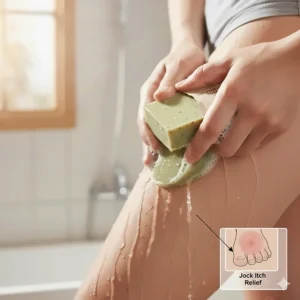
Jock Itch (Tinea Cruris): Despite the name, this isn’t exclusive to athletes or men. This rash in the groin area causes intense itching, redness, and a ring-shaped rash. The best antifungal soap for this sensitive area needs gentle yet effective formulation.
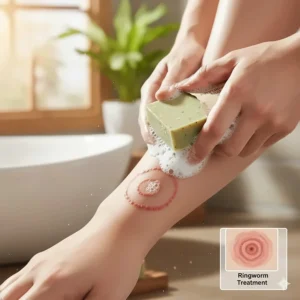
Ringworm (Tinea Corporis): No, there are no actual worms involved. This creates circular, red patches with raised edges that expand outward. It’s highly contagious and requires consistent treatment with quality antifungal soap.
Yeast Infections: While typically treated with specialized products, some body yeast infections respond well to antifungal body wash containing tea tree or other antimicrobial ingredients.
How to Choose the Best Antifungal Soap for Your Needs
Choosing the right antifungal soap isn’t about grabbing the most expensive option or the one with the fanciest packaging. I learned this the hard way after wasting money on products that smelled great but did absolutely nothing for my infection. Here’s your practical decision-making framework.
Active Ingredients That Actually Work
Pharmaceutical-Grade Options:
Tolnaftate (1%): This is the gold standard for athlete’s foot and ringworm. Found in Defense Antifungal Medicated Bar Soap, tolnaftate disrupts fungal cell walls, causing them to die off. Studies show it’s effective within 2-4 weeks of consistent use. If you need something that works fast and you’re not worried about going all-natural, this is your answer.
Clotrimazole: Another pharmaceutical heavyweight, this ingredient stops fungi from producing ergosterol—essentially, it starves them to death. Products like Terrasil leverage this for treating stubborn infections. The Mayo Clinic recognizes clotrimazole as an effective OTC treatment.
Natural Powerhouses:
Tea Tree Oil (5% concentration): Don’t dismiss this as hippie nonsense. Clinical research demonstrates tea tree oil possesses genuine antifungal and antibacterial properties. The key is concentration—look for products with at least 5% pure tea tree oil, like New York Biology or Remedy Soap. Anything less won’t pack enough punch.
Eucalyptus Oil: Often paired with tea tree, eucalyptus adds its own antimicrobial properties while creating a cooling sensation that soothes inflamed skin. It’s why Purely Northwest includes it in their formula.
Peppermint Oil: This isn’t just for freshness. Peppermint has natural antifungal properties and provides immediate itch relief—crucial when you’re desperate for comfort at 3 AM.
Skin Type Considerations
For Sensitive Skin: Pharmaceutical antifungal soaps can be harsh, causing redness or irritation in sensitive individuals. Look for products with moisturizing bases like Derma-nu or Terrasil, which include shea butter and coconut oil. Test on a small area first—your inner elbow is ideal for patch testing.
For Oily or Acne-Prone Skin: Tea tree-based products like Dr. Bronner’s work double duty here, addressing both fungal concerns and controlling excess oil. The natural astringent properties help minimize breakouts while fighting fungus.
For Dry Skin: This is tricky because antifungal treatments can be drying. Choose products specifically mentioning moisturizing properties, like Remedy Soap with its jojoba and olive oils. Apply body lotion to non-infected areas after drying completely.
Severity of Infection
Mild/Preventative: If you’re not actively infected but want protection (gym-goers, athletes, or people with past infections), natural options like Dr. Bronner’s or Purely Northwest work beautifully for daily maintenance. They’re gentle enough for everyday use without disrupting your skin’s natural balance.
Moderate Infections: This is where most people land—you have symptoms, they’re annoying, but not debilitating. Remedy Soap or New York Biology provides the sweet spot of effectiveness and usability. Use twice daily and you should see improvement within a week.
Severe/Persistent Infections: When nothing seems to work or it keeps coming back, step up to pharmaceutical-grade products like Defense or Terrasil. These aren’t for indefinite use but excel at knocking out stubborn infections. If symptoms persist beyond three weeks, consult a healthcare provider—you might need prescription-strength treatment.
Budget and Value Analysis
Let’s be real about cost because treating fungal infections isn’t cheap, especially if you’re dealing with recurrence. Here’s how to maximize your investment:
Price Per Ounce Breakdown:
- Bar soaps: $2-3 per ounce (longest lasting)
- Liquid soaps: $0.80-$1.50 per ounce
- Concentrated formulas (Dr. Bronner’s): $0.20-$0.50 per diluted ounce
Bar soaps last longer but aren’t as convenient. Liquid soaps offer better hygiene (no soap residue sitting in moisture) but run out faster. My strategy? Use a pharmaceutical bar soap for acute treatment, then switch to a maintenance liquid soap once cleared.
Money-Saving Tips:
- Buy multi-packs when treating family members
- Larger bottles (32 oz) offer better value
- Use concentrated formulas correctly (don’t waste undiluted soap)
- Prevent recurrence with daily maintenance (cheaper than repeat treatments)
Using Antifungal Soap Effectively: The Method Matters
Having the best antifungal soap means nothing if you’re using it wrong. I discovered this embarrassingly late—I’d been treating my athlete’s foot for weeks without proper technique, wondering why it wasn’t clearing. Once I learned the right method, results appeared within days.
The Proper Application Technique
Step 1: Pre-Wash Preparation Start with warm water to open pores and soften infected skin. Don’t go straight for scalding hot—that irritates already compromised skin. Wet the affected area thoroughly for 30-60 seconds.
Step 2: Lather Generously Apply your antifungal soap directly to the infection site. For bar soaps, work up a rich lather in your hands first. For liquid soaps, use 2-3 pumps. The key is coverage—every bit of infected skin needs contact with active ingredients.
Step 3: The Critical Wait Time Here’s what most people miss: you need to let the soap sit on your skin for 1-2 minutes minimum. This isn’t regular soap-and-rinse territory. Active ingredients need contact time to penetrate fungal cells. Set a timer if needed. I use this time to wash other body parts with regular soap.
Step 4: Thorough Rinse Rinse completely with warm water. Soap residue can cause irritation, especially with medicated formulas. Make sure no lather remains in skin folds or between toes.
Step 5: The Drying Process This is crucial—fungi love moisture. Pat (don’t rub) the area completely dry with a clean towel. Use a separate towel for infected areas to prevent spreading. A hair dryer on cool setting works wonders for between toes or hard-to-dry areas.
Treatment Frequency and Duration
Acute Infection Phase: Use your antifungal soap twice daily—morning and evening. Consistency matters more than frequency. Missing applications allows fungi to regroup and multiply.
Maintenance Phase: Once symptoms improve (typically 7-14 days), drop to once daily for another 2-3 weeks. Yes, keep treating even after it looks clear. Visible symptoms disappear before the infection is fully eradicated. Stopping too soon is why infections return.
Prevention Mode: After complete clearing, use your chosen soap 2-3 times weekly, especially after high-risk activities (gym, swimming, sports). Think of it as insurance against recurrence.
Common Mistakes to Avoid
❌ Using the Same Towel: Cross-contamination is real. Infected areas need dedicated towels washed after each use in hot water.
❌ Rushing the Process: That 30-second shower where you barely lather isn’t cutting it. Quality contact time beats quick applications.
❌ Ignoring Surrounding Areas: Treat a larger area than just the visible infection. Fungi spread beyond what you can see. For athlete’s foot, wash your entire foot, including the sole and ankle.
❌ Stopping When Symptoms Disappear: This is the #1 reason infections return. Complete the full treatment course—usually 4-6 weeks total.
❌ Sharing Soap Bars: Never share bar soap if treating an active infection. It can transmit fungi to others. Use liquid soap or ensure each family member has their own bar.
Antifungal Soap vs. Traditional Alternatives
You might be wondering: “Why not just use regular antibacterial soap?” or “Can’t I just treat this with cream?” Let me break down how antifungal soap stacks up against other options, because understanding this saved me weeks of ineffective treatment.
Antifungal Soap vs. Regular Soap
| Feature | Antifungal Soap | Regular Soap | Winner |
|---|---|---|---|
| Kills fungus | ✅ Yes | ❌ No | Antifungal |
| pH Balance | Skin-appropriate | Often alkaline | Antifungal |
| Penetration | Deep into skin | Surface only | Antifungal |
| Prevention | Active protection | None | Antifungal |
| Cost | $13-20/bottle | $3-8/bottle | Regular |
| Daily use safety | ✅ Yes | ✅ Yes | Tie |
Regular soap, even antibacterial varieties, doesn’t kill fungi. Worse, many soaps create an alkaline environment that fungi actually prefer. It’s like trying to put out a fire with gasoline—you’re making the problem worse while feeling like you’re doing something.
Antifungal Soap vs. Topical Creams
The Cream Approach: Antifungal creams like Lotrimin or Lamisil deliver concentrated medication directly to infected skin. They work—don’t get me wrong. But there’s a strategic difference in application.
Why Combine Both: Here’s what changed the game for me: using antifungal soap first, then applying cream. The soap cleanses away dead skin cells, oils, and debris that block cream penetration. Think of soap as prepping the battlefield and cream as the targeted strike. Studies show this combination approach clears infections 40% faster than cream alone.
When to Choose Soap Over Cream:
- Large infected areas (entire foot, widespread ringworm)
- Prevention and maintenance
- Daily hygiene needs
- Budget constraints (soap lasts longer)
- Areas difficult to apply cream (scalp, back)
When Cream Wins:
- Localized small patches
- Already using soap for maintenance
- Need faster concentrated treatment
- Prescription-strength required
Antifungal Soap vs. Natural Home Remedies
I’ve tried them all—apple cider vinegar soaks, baking soda paste, garlic (yes, seriously), and essential oil combinations. Here’s the truth: some work to varying degrees, but none match the convenience and consistent effectiveness of proper antifungal soap.
Home Remedies That Have Merit:
- Tea tree oil dilutions: This is literally what good antifungal soaps contain, but pre-mixed at safe concentrations
- Vinegar soaks: Acidic environment helps, but your bathroom will smell like a salad
- Coconut oil: Has mild antifungal properties, works for prevention more than active treatment
Why Antifungal Soap Wins:
- Standardized active ingredient concentrations
- Dermatologist-tested formulations
- Convenient application (part of existing routine)
- Quality control and safety testing
- Combination of multiple effective ingredients
The American Academy of Dermatology emphasizes using proven antifungal treatments rather than relying solely on home remedies for moderate to severe infections.
Prevention Strategies: Stop Fungal Infections Before They Start
After finally clearing my stubborn infection, I became obsessed with prevention. Nobody wants to go through that itching nightmare twice. Here’s my battle-tested strategy for staying fungus-free.
Daily Hygiene Habits
Morning Routine: Start your day with antifungal soap if you’re in high-risk categories (athletes, gym-goers, previous infection sufferers). Even 2-3 times weekly provides protection. Dry completely before dressing—damp skin in clothes equals fungal paradise.
Post-Workout Protocol: This is non-negotiable. Shower immediately after sweating. Don’t sit in gym clothes “just for a few minutes” while you scroll your phone. Every minute of moisture contact increases infection risk. Keep a small bottle of antifungal soap in your gym bag.
Evening Routine: Wash your feet even if you showered earlier. Feet sweat inside shoes all day, creating perfect fungal conditions. A quick foot wash with antifungal soap before bed takes 90 seconds and provides massive protection.
Environmental Modifications
Shoe Strategies:
- Rotate shoes daily (gives 24 hours drying time)
- Use antifungal powder in shoes
- Choose breathable materials (leather, mesh)
- Remove shoes whenever possible
- Never wear sweaty shoes two days running
Clothing Choices:
- Moisture-wicking fabrics for socks and underwear
- Loose-fitting clothes in problem areas
- Change socks twice daily if feet sweat heavily
- Wash gym clothes immediately
- Don’t share towels, ever
Bathroom Safety: Shared bathrooms and locker rooms are fungal infection ground zero. Always wear flip-flops or shower shoes. Never walk barefoot where water collects. Dry feet completely before putting on shoes. Consider using antifungal foot powder after showering in public facilities.
High-Risk Situations
Swimming Pools: Chlorine doesn’t kill all fungi. Shower with antifungal soap immediately after swimming. Don’t walk barefoot on pool decks. Change out of wet swimwear promptly.
Nail Salons: Ensure they properly sterilize tools between clients. Consider bringing your own implements. Use antifungal soap on hands and feet within hours of your appointment.
Communal Spaces: Yoga studios, martial arts dojos, dance studios—anywhere you’re barefoot with others. Use antifungal soap before and after. Keep a small travel bottle in your gear bag.
Travel: Hotel bathrooms are infection hotspots. Bring flip-flops for hotel showers. Pack your preferred antifungal soap rather than using hotel products. Keep feet dry and aired out despite long flights or car rides.

Special Considerations for Different Demographics
Not everyone’s fungal infection risk or treatment needs are identical. Let me address specific groups with unique considerations.
Athletes and Fitness Enthusiasts
You’re in the highest-risk category. Constant sweating, shared facilities, equipment contact—it’s a fungal infection trifecta. Make antifungal soap your non-negotiable daily essential, like your gym membership.
Recommended Products: Defense Antifungal Medicated Bar (for your gym bag), Purely Northwest (for home showers)
Extra Tips:
- Spray equipment before use (gyms don’t clean as often as you think)
- Never sit directly on locker room benches
- Double-bag sweaty clothes in your gym bag
- Wash gym bag monthly
- Use separate towels for face and body
People with Diabetes or Immune Conditions
Fungal infections pose more serious risks for you. Compromised immunity means fungi can spread faster and deeper. Minor infections can develop complications. Prevention is absolutely critical.
Recommended Approach: Use antifungal soap daily as preventative care, not just when infected. Choose gentler formulations like Remedy Soap or Derma-nu to avoid skin damage. Monitor all skin changes closely. Any infection lasting more than one week requires medical consultation.
Pregnant or Nursing Women
Hormonal changes during pregnancy can alter skin pH and increase susceptibility to fungal infections. However, you need to be selective about treatments.
Safe Options: Tea tree-based soaps like Dr. Bronner’s or Purely Northwest are generally considered safe for external use during pregnancy. Pharmaceutical options (tolnaftate, clotrimazole) should only be used after consulting your healthcare provider.
What to Avoid: Oregano oil in high concentrations, certain essential oil blends. When in doubt, ask your OB-GYN before starting any antifungal treatment.
Children and Teens
Kids get fungal infections frequently—shared sports equipment, locker rooms, and sometimes questionable hygiene habits create perfect conditions. The challenge is finding effective products safe for younger skin.
Recommended Products: Remedy Soap Tea Tree Body Wash (gentle enough for teens), Dr. Bronner’s (diluted for younger children), Defense Soap (teens 12+)
Supervision Needed: Teach proper application technique. Kids often rush through showers, defeating the purpose of treatment. Make it a supervised routine until habits stick.
Elderly Individuals
Aging skin tends toward dryness and reduced immunity, creating vulnerability to fungal infections while requiring gentler treatment approaches.
Best Choices: Products emphasizing moisturizing properties—Terrasil with shea butter, Derma-nu with aloe. Avoid overly drying pharmaceutical formulas unless absolutely necessary. Focus on prevention through daily gentle cleansing with antifungal properties.

Complementary Treatments and Lifestyle Changes
Using antifungal soap is just one piece of the puzzle. These supporting strategies accelerate healing and prevent recurrence.
Dietary Considerations
While diet won’t cure fungal infections, certain changes support your body’s natural defenses. Fungi thrive on sugar—cutting refined sugars and simple carbohydrates during active infection helps. Probiotic-rich foods (yogurt, kefir, sauerkraut) support beneficial bacteria that compete with fungi. According to Harvard Medical School, maintaining balanced gut flora may influence skin health.
Supplements That Support Skin Health
Probiotics: Support immune function and may help prevent recurrent infections. Quality matters—look for products with multiple strain types and high CFU counts.
Vitamin D: Low levels correlate with increased infection susceptibility. Most Americans are deficient. Consider supplementation especially during winter months.
Zinc: Essential for immune function and skin healing. Topical zinc oxide (found in some soaps like Terrasil) helps externally, while internal supplementation supports overall immunity.
Over-the-Counter Additions
Antifungal Powders: Use these in shoes and socks as complementary prevention. They absorb moisture and create hostile environments for fungi. Apply after using your antifungal soap and drying completely.
Foot Sprays: For athlete’s foot, sprays reach areas soap might miss—under nails, between tight toe spaces. Use in conjunction with soap, not as replacement.
UV Shoe Sanitizers: These devices kill fungi and bacteria living in your shoes. Worth the investment if you’ve had recurrent athlete’s foot. Use nightly while treating active infections.
When to See a Doctor
Most fungal infections clear with OTC antifungal soap and basic care. However, certain situations require professional medical attention:
Red Flags Requiring Medical Care:
- No improvement after 2-3 weeks of consistent treatment
- Infection spreading despite treatment
- Severe pain, significant swelling, or oozing
- Signs of secondary bacterial infection (increased redness, warmth, pus)
- Fever accompanying skin infection
- Diabetes or immune system conditions with any fungal infection
- Infections covering large body areas
- Recurrent infections (3+ times yearly)
Doctors can prescribe stronger antifungal medications, identify if you’re actually dealing with something other than fungus, and address underlying conditions making you infection-prone.
Product Storage and Shelf Life
Proper storage extends antifungal soap effectiveness and prevents contamination—yes, even antifungal soap can harbor bacteria if stored incorrectly.
Storage Best Practices
Bar Soaps: Keep in a well-draining soap dish away from standing water. Bar soaps sitting in moisture pools become breeding grounds for bacteria. Allow complete drying between uses. Consider separate storage for medicated bars away from family members’ regular soap.
Liquid Soaps: Store in cool, dry areas away from direct sunlight. Bathroom humidity is unavoidable, but keep bottles closed tightly. Pump tops are more hygienic than screw caps since less air exposure occurs.
Travel Considerations: For bar soaps, use the snap-tight cases provided (like Defense Soap offers) or purchase small travel soap containers. For liquids, TSA-compliant travel bottles work, but label them clearly and use within 2-3 months of transferring.
Expiration and Effectiveness
Most antifungal soaps maintain full potency for 2-3 years unopened. Once opened, use within 12-18 months for optimal effectiveness. Natural products without preservatives (like some Dr. Bronner’s varieties) may have shorter shelf lives.
Signs Your Soap Has Gone Bad:
- Significant color change
- Rancid or off smell
- Separation in liquid formulas
- Mold growth on bar soaps
- Loss of scent intensity
When in doubt, replace it. Using expired antifungal soap means you’re not getting full active ingredient potency—essentially treating with weakened medication.

Frequently Asked Questions
❓ Can I use antifungal soap on my face for fungal acne?
❓ How long does it take for antifungal soap to work on athlete's foot?
❓ Is antifungal soap safe to use every day?
❓ Can antifungal soap prevent nail fungus?
❓ Will antifungal soap work for ringworm in children?
Conclusion: Finding Your Perfect Antifungal Soap Match
After testing dozens of products and researching countless hours, here’s my bottom line: the best antifungal soap is the one you’ll use consistently. Fancy formulations mean nothing if the scent makes you gag or the price makes you ration applications.
For acute infections, I recommend starting with pharmaceutical-grade options like Defense Antifungal Medicated Bar Soap or Terrasil. They work fastest and most reliably. Once cleared, transition to maintenance with natural options like Remedy Soap or Dr. Bronner’s. This two-phase approach balances aggressive treatment with sustainable prevention.
Remember, treating fungal infections requires patience and consistency. Missing applications allows fungi to regroup. Stopping treatment when symptoms disappear guarantees recurrence. Commit to the full treatment course—your skin will thank you.
The investment in quality antifungal soap pays off exponentially compared to repeated infections, doctor visits, and stronger medications. Start today, stay consistent, and finally defeat those stubborn fungal invaders for good.
🛍️ Ready to Start Your Treatment Journey?
✨ Don’t let fungal infections control your life any longer. Choose from our expertly reviewed antifungal soaps and start seeing results within days. Click any product name above to check current Amazon prices and join thousands who’ve successfully cleared their infections!
Recommended for You
- Oatmeal Soap Benefits: 7 Reasons Your Skin Needs It Now
- Oat Soap Bar: 7 Best Natural Cleansers for 2025
- Top 7 Loofah Soap Bars for Natural Exfoliation & Glowing Skin in 2025
Disclaimer: This article contains affiliate links. If you purchase products through these links, we may earn a small commission at no additional cost to you.
✨ Found this helpful? Share it with your friends! 💬🤗
