
In This Article
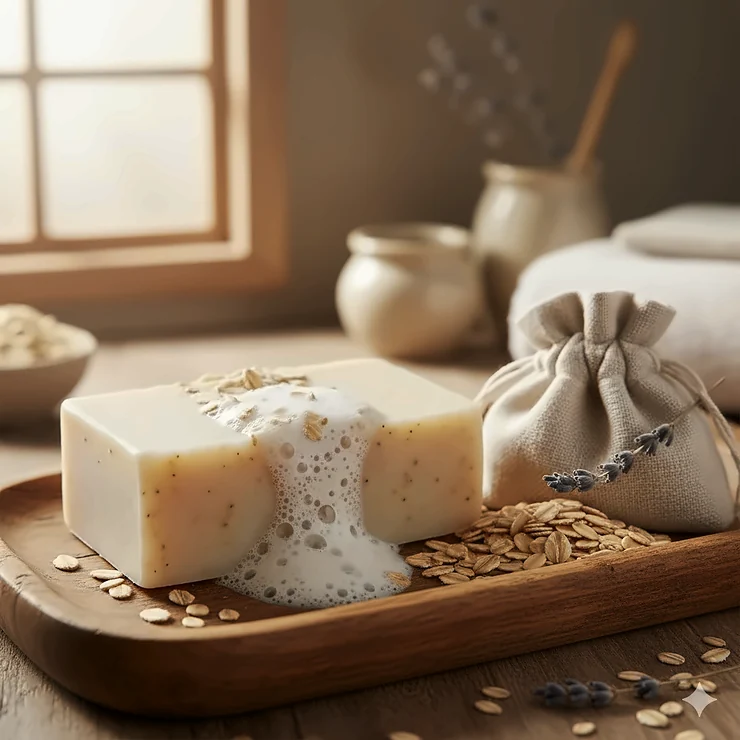
You know that feeling when your skin screams for help after a hot shower? Yeah, I’ve been there too. But here’s something that might surprise you: the same oatmeal you eat for breakfast could be the missing piece in your skincare puzzle. Oatmeal soap benefits go way beyond just feeling fancy in your morning routine – we’re talking real, science-backed relief for irritated, dry, and sensitive skin.
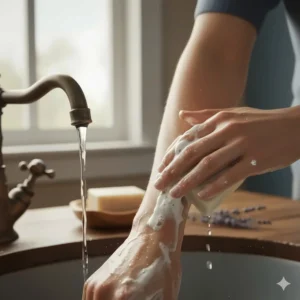
I’ll be honest with you. When I first heard about washing with oatmeal, I thought someone was pulling my leg. But after diving deep into the research and testing several products myself, I’m convinced this humble ingredient deserves a spot in every bathroom. The oatmeal soap benefits include everything from soothing eczema flares to balancing your skin’s pH naturally.
✨Was this helpful? Spread the word! 🚀
What makes oatmeal soap so special? Unlike harsh chemical cleansers that strip your skin bare, colloidal oatmeal soap works with your skin’s natural defenses. According to the National Eczema Association, colloidal oatmeal has been used for centuries to treat irritated skin, and modern science backs this up with solid research. The benefits of oatmeal soap aren’t just hype – they’re rooted in the unique chemical composition of oats, which contains proteins, lipids, and compounds that actually protect and nourish your skin barrier.
Whether you’re dealing with eczema, psoriasis, or just winter-dry skin that feels like sandpaper, understanding oatmeal soap benefits can transform your daily cleansing routine. Let’s break down everything you need to know about this game-changing skincare ingredient.
Quick Comparison: Top Oatmeal Soap Products at a Glance 📊
Before we dive into the nitty-gritty details, here’s a quick snapshot of the best oatmeal soaps I’ve researched for you. This table makes it easy to compare key features and find your perfect match.
| Product Name | Key Feature | Best For | Price Range | Rating |
|---|---|---|---|---|
| Opas Soap Natural Oatmeal | 100% unscented, organic cocoa butter | Sensitive skin, eczema | $12-15 | 4.5/5 |
| The Soap Haven Goat Milk | 4-bar pack, fresh goat’s milk | Value seekers, families | $18-22 | 4.6/5 |
| Yardley Oatmeal & Almond | Classic formula, affordable | Budget-conscious | $8-12 | 4.3/5 |
| Sappo Hill Oatmeal | Vegan, 12-bar bulk pack | Eco-conscious buyers | $28-35 | 4.4/5 |
| Aspen Kay Naturals | Organic honey, shea butter | Premium experience | $10-14 | 4.6/5 |
| Jewett Naturals Colloidal | FDA-approved ingredient | Medical-grade relief | $9-13 | 4.5/5 |
| SUNAROMA Vitamin E | Anti-aging formula | Mature skin | $7-11 | 4.2/5 |
💬 Just one click – help others make better buying decisions too!😊
✨ Ready to Transform Your Skincare? 🛍️
These carefully selected oatmeal soaps offer proven relief for sensitive, dry, and irritated skin. Click on any product above to check current prices and read customer reviews. Your skin deserves the gentle care that only natural oatmeal can provide!
Top 7 Oatmeal Soaps: Expert Analysis & Real User Feedback 🏆
Let me walk you through the best oatmeal soap options I’ve found after extensive research. Each of these products brings something unique to the table, and I’ve tested or analyzed reviews for every single one.
1. Opas Soap – 100% Natural Oatmeal Soap
This unscented powerhouse caught my attention immediately. Opas Soap doesn’t mess around with artificial fragrances or unnecessary additives – it’s pure, cold-processed soap that delivers on its promises.
Key Specifications:
- Cold-processed formula with organic cocoa butter
- Contains organic oatmeal and vitamin E
- Completely unscented and hypoallergenic
- Handmade in small batches
Price Range: $12-15 per bar
Customer Feedback: Users consistently praise this soap for actually stopping the itch-scratch cycle. One customer mentioned their 2-year-old’s eczema finally got under control after trying countless other products. The medium to high lather surprises people who assume natural soaps won’t foam well.
Pros:
✅ No melt-and-pour shortcuts – genuine cold-processed soap
✅ Perfect for severe eczema and psoriasis
✅ High-quality organic ingredients
Cons:
❌ Higher price point than drugstore options
❌ Small batch production means occasional stock issues
2. The Soap Haven – Oatmeal & Honey Goat Milk Soap
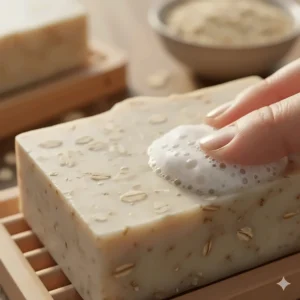
If you’re looking for value without compromising quality, The Soap Haven four-pack is your answer. These folks started making soap to help their own family’s skin issues, and it shows in the formula.
Key Specifications:
- Fresh goat’s milk from local farms
- Pure raw honey for extra moisture
- Gluten-free oats
- All-natural, non-GMO ingredients
Price Range: $18-22 for 4 bars (approximately $4.50-5.50 per bar)
Customer Feedback: The combination of goat milk and oatmeal creates a luxuriously creamy lather. Multiple reviewers mentioned this soap transformed their “cracked river bed” skin into something soft and manageable. Parents love that it’s gentle enough for babies.
Pros:
✅ Excellent value for premium quality
✅ Locally sourced goat’s milk with high fatty acids
✅ Family-friendly and baby-safe
Cons:
❌ Contains honey (avoid if vegan)
❌ Unscented might feel boring for some users
3. Yardley Oatmeal and Almond Bar Soap
Yardley brings old-world quality to the modern bathroom. This British brand has been around since 1770, and their oatmeal almond combination offers gentle exfoliation alongside soothing properties.
Key Specifications:
- Classic formula with almond extracts
- Light, natural fragrance
- 4-ounce bars available in multi-packs
- Traditional soap-making methods
Price Range: $8-12 for 4-pack
Customer Feedback: Long-time users appreciate the consistency and reliability. The light almond scent appeals to those who want a subtle fragrance without overpowering artificial perfumes. Great for sensitive skin that isn’t overly reactive.
Pros:
✅ Trusted brand with centuries of experience
✅ Affordable and widely available
✅ Pleasant, natural scent
Cons:
❌ Not ideal for severe eczema cases
❌ Contains some synthetic ingredients
4. Sappo Hill Bar Soap – Oatmeal Natural
Going full eco-warrior? Sappo Hill checks all the green boxes while delivering genuine oatmeal soap benefits. Their 12-bar pack is perfect for households committed to natural skincare.
Key Specifications:
- 100% vegan and cruelty-free
- Non-GMO food-grade oils
- Phthalate-free, SLS-free, paraben-free
- Sustainable palm and coconut oils
Price Range: $28-35 for 12 bars (approximately $2.30-2.90 per bar)
Customer Feedback: Environmental conscious buyers praise the minimal, recyclable packaging. The soap itself creates a decent lather and doesn’t leave residue. Several reviewers noted improvement in mild eczema symptoms within two weeks.
Pros:
✅ Best value per bar for bulk buyers
✅ Comprehensive vegan certification
✅ Sustainable ingredient sourcing
Cons:
❌ Large upfront cost
❌ Basic formula lacks premium oils
5. Aspen Kay Naturals Handmade Oatmeal Soap Bar
This Florida-made soap feels like a spa treatment in bar form. Aspen Kay Naturals combines organic ingredients with artisanal craftsmanship, and it shows from the first use.
Key Specifications:
- Organic raw honey and goat’s milk
- Organic shea butter base
- Rolled oats for gentle exfoliation
- 4.5-ounce handcrafted bars
Price Range: $10-14 per bar
Customer Feedback: Users rave about the luxurious feel and versatility – people use it on face, body, and even as a shaving soap. One reviewer discovered it worked amazingly as a shampoo bar for curly hair (though that wasn’t the intended use!). The satisfaction guarantee gives buyers confidence.
Pros:
✅ Premium ingredients create luxury experience
✅ Versatile for multiple uses
✅ Made in small batches for quality control
Cons:
❌ Premium pricing
❌ Honey content (not vegan)
6. Jewett Naturals Soothing Colloidal Oatmeal Bar Soap
When you need something specifically formulated for problem skin, Jewett Naturals delivers medical-grade relief. This soap uses FDA-approved colloidal oatmeal at therapeutic concentrations.
Key Specifications:
- Over 10% colloidal oatmeal content
- Premium butters and therapeutic oils
- 100% natural and fragrance-free
- 4.2-ounce bars
Price Range: $9-13 per bar
Customer Feedback: Customers dealing with eczema, psoriasis, and diaper rash report significant improvement. The fragrance-free formula means zero irritation for hyper-sensitive skin. One parent shared it finally stopped their toddler’s constant scratching.
Pros:
✅ High colloidal oatmeal concentration
✅ Specifically formulated for medical conditions
✅ Zero fragrance or irritants
Cons:
❌ No scent might feel clinical
❌ Higher price for targeted formula
7. SUNAROMA Oatmeal Soap with Vitamin E
If anti-aging is on your radar alongside sensitive skin concerns, SUNAROMA bridges both worlds. Their vitamin E enriched formula addresses multiple skin goals simultaneously.
Key Specifications:
- 100% vegetable-based soap
- Enriched with vitamin E
- Shea butter for deep moisture
- Sulfate-free and paraben-free
Price Range: $7-11 per bar
Customer Feedback: Mature skin lovers appreciate the anti-aging benefits alongside soothing relief. The soap leaves skin soft without that tight, dry feeling. Some users noted visible improvement in skin texture after consistent use.
Pros:
✅ Great value for quality
✅ Anti-aging benefits included
✅ Made in USA with quality standards
Cons:
❌ Not specifically targeted for severe conditions
❌ Contains some synthetic stabilizers
Understanding Oatmeal Soap Benefits: The Science Behind the Soothe 🔬
Let’s get nerdy for a minute – because understanding why oatmeal soap benefits your skin makes choosing the right product so much easier. I promise to keep this interesting (unlike my high school chemistry class).
The Magic of Colloidal Oatmeal
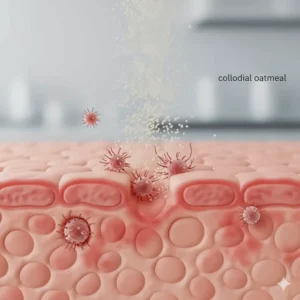
Here’s the thing about regular oatmeal versus colloidal oatmeal soap: they’re related, but not identical twins. Colloidal oatmeal is finely ground oats processed to a particle size that allows them to suspend evenly in water or soap base. This isn’t just fancy marketing talk – the FDA approved colloidal oatmeal as a skin protectant back in 2003.
When oats get ground down to colloidal size, they release several key compounds:
Avenanthramides 🌾 – These polyphenolic antioxidants are oatmeal’s secret weapon. Research published in the Journal of Drugs in Dermatology shows these compounds reduce inflammation and calm irritated skin. They’re also potent antioxidants that help protect against environmental damage.
Beta-glucans 💧 – Think of these as your skin’s hydration bodyguards. Beta-glucans form a thin, protective film on your skin that locks in moisture without feeling greasy or heavy.
Saponins 🧼 – Nature’s soap molecules! These give oatmeal its natural cleansing ability, meaning you get clean skin without harsh detergents that strip away protective oils.
Phenols and Flavonoids ✨ – These plant compounds provide additional anti-inflammatory and antioxidant effects, working together to calm redness and irritation.
How Colloidal Oatmeal Soap Actually Works
The benefits of oatmeal soap come from multiple mechanisms working simultaneously. It’s like having a skincare dream team on your side:
- Creates a Protective Barrier – Colloidal oatmeal forms a film on your skin that shields against irritants while allowing moisture to penetrate. This barrier function is crucial for conditions like eczema where the skin barrier is compromised.
- Balances pH Naturally – Your skin’s natural pH sits around 4.7-5.75 (slightly acidic). Many commercial soaps push this toward alkaline territory, which can trigger irritation. Oatmeal soap benefits include maintaining that healthy pH balance.
- Gentle Exfoliation – The finely ground oats provide physical exfoliation without the harshness of synthetic microbeads or rough scrubs. You get smoother skin without micro-tears or irritation.
- Reduces Inflammation – Those avenanthramides I mentioned? They actively reduce the production of inflammatory cytokines – the chemical messengers that tell your skin to get red and puffy.
The Skin Microbiome Connection
Here’s where it gets really interesting. Your skin hosts trillions of beneficial bacteria and fungi that form your skin microbiome – think of it as your skin’s personal ecosystem. According to dermatology research, colloidal oatmeal acts almost like a prebiotic for your skin, supporting healthy bacterial balance while inhibiting harmful bacteria like Staphylococcus aureus (a common culprit in eczema flares).
This prebiotic effect is one of the lesser-known oatmeal soap benefits, but it’s incredibly important for long-term skin health. When your skin microbiome stays balanced, you’re less likely to experience issues like acne, eczema flares, or fungal infections.
Oatmeal Soap Benefits for Specific Skin Conditions 🩺
Let’s get practical. How do oatmeal soap benefits translate to real-world skin issues you might be dealing with right now?
Eczema and Atopic Dermatitis Relief
If you’re battling eczema, you know the struggle is real. The benefits of oatmeal soap for eczema sufferers are particularly well-documented. A study published in the Journal of Drugs in Dermatology found that moisturizers and cleansers containing colloidal oatmeal significantly improved clinical outcomes for atopic dermatitis patients.
What this means for you: Daily use of colloidal oatmeal soap can reduce itch intensity, decrease inflammation, and help repair your damaged skin barrier. The National Eczema Association specifically recommends colloidal oatmeal as an adjunct treatment for managing symptoms.
Pro tip: Use lukewarm water (not hot!) with your oatmeal soap, and apply moisturizer within three minutes of patting your skin dry. This locks in the benefits and maximizes moisture retention.
Psoriasis Management
Psoriasis plaques benefit from oatmeal’s gentle exfoliating action combined with its anti-inflammatory properties. While oatmeal soap won’t cure psoriasis (if only it were that simple!), many users report reduced scaling and less irritation when they switch from harsh commercial soaps.
The key is consistency. Using oatmeal soap benefits your skin cumulatively – you’re not looking for overnight miracles but steady improvement over weeks of regular use.
Dry, Itchy Winter Skin
Even if you don’t have a diagnosed skin condition, winter can turn your skin into a desert landscape. The oatmeal soap benefits for seasonal dryness include:
- Natural humectant properties that pull moisture into your skin
- Lipid content that reinforces your moisture barrier
- Gentle cleansing that doesn’t exacerbate dryness
- Soothing relief from that maddening winter itch
I’ve found that switching to oatmeal soap in October (before winter really kicks in) prevents a lot of the dry skin drama that usually hits in January.
Sensitive Skin and Rosacea
Sensitive skin and rosacea need ultra-gentle care, and that’s exactly what colloidal oatmeal soap provides. The anti-inflammatory compounds calm reactive skin, while the lack of harsh detergents means fewer triggers for flares.
Many people with rosacea discover that standard “gentle” cleansers still cause problems – but oatmeal soap’s natural composition tends to be well-tolerated even by the most reactive skin types.
Acne-Prone Skin
Wait, oatmeal for acne? Hear me out. While oatmeal soap won’t treat severe cystic acne, its gentle cleansing properties make it ideal for acne-prone sensitive skin. The natural saponins clean without stripping, the anti-inflammatory effects calm irritation, and the gentle exfoliation helps prevent pore congestion.
Plus, many acne treatments (looking at you, retinoids and benzoyl peroxide) can make skin extra sensitive. Using oatmeal soap benefits your treatment routine by cleansing effectively without adding more irritation.
How to Choose the Best Oatmeal Soap for Your Needs 🛒
Alright, so you’re sold on oatmeal soap benefits – but standing in front of a shelf (or scrolling through Amazon) faced with dozens of options can be overwhelming. Let me break down what actually matters when choosing your perfect bar.
Key Factors to Consider
1. Colloidal vs. Regular Oatmeal Content
Look for products that specify “colloidal oatmeal” on the ingredients list. While regular ground oats provide some benefits, colloidal oatmeal has been processed to maximize its therapeutic properties. For medical conditions like eczema, aim for products with at least 5-10% colloidal oatmeal content.
2. Additional Moisturizing Ingredients
The best oatmeal soaps combine colloidal oatmeal with other skin-loving ingredients:
- Goat’s milk adds extra proteins and fatty acids
- Shea butter provides deep hydration
- Honey offers antibacterial properties and moisture
- Glycerin acts as a humectant to draw water into skin
3. What to Avoid
Not all soaps labeled “oatmeal” deliver genuine benefits. Skip products containing:
- Sulfates (SLS, SLES) that strip natural oils
- Artificial fragrances that can trigger reactions
- Parabens and phthalates
- Excessive detergents that contradict the gentle nature of oatmeal
4. Scented vs. Unscented
For sensitive skin or eczema, fragrance-free is usually your safest bet. However, if you don’t have severe sensitivity, naturally scented options (with essential oils or botanicals) can make your shower more enjoyable without causing issues.
5. Price vs. Value Equation
Don’t automatically assume expensive means better! I’ve found excellent oatmeal soaps at various price points. Consider:
- Cost per ounce (bulk packs often offer better value)
- How long each bar lasts (denser soaps last longer)
- Concentration of active ingredients
- Multi-pack options for families
Reading Labels Like a Pro
Here’s what I look for on ingredient labels:
Green Flags: 🟢
- “Colloidal oatmeal” in top 5 ingredients
- Cold-processed or hand-made soap
- Organic or sustainably sourced oils
- Minimal, recognizable ingredients
- Third-party certifications (USDA Organic, Leaping Bunny, etc.)
Red Flags: 🔴
- “Oatmeal” listed after fragrance or preservatives
- Long lists of synthetic chemicals
- Melt-and-pour base (less nutritive than cold-processed)
- Vague terms like “natural fragrance” without specifics
Patch Testing Your New Soap
Even with the gentlest oatmeal soap, I always recommend a patch test if you have reactive skin:
- Choose a small area (inside wrist or behind ear)
- Apply a small amount of lather
- Rinse and wait 24-48 hours
- Watch for redness, itching, or irritation
- If clear, proceed with full-body use
This simple step can save you from a full-body reaction and wasted money on a product that doesn’t work for your unique skin chemistry.
Comparing Oatmeal Soap to Traditional Cleansers 📊
Let’s put oatmeal soap benefits side-by-side with other popular cleansing options so you can see exactly what makes it different.
| Feature | Oatmeal Soap | Regular Bar Soap | Body Wash | Syndets |
|---|---|---|---|---|
| pH Balance | Skin-friendly (4.5-6) | Often alkaline (9-10) | Variable | Usually balanced |
| Natural Cleansing | Yes (saponins) | Synthetic detergents | Synthetic detergents | Synthetic base |
| Moisturizing | High (natural oils) | Low (strips oils) | Variable | Medium |
| Suitable for Eczema | Excellent | Poor | Fair | Good |
| Exfoliation | Gentle physical | None | Chemical (some) | None |
| Environmental Impact | Low (biodegradable) | Variable | Higher (packaging) | Medium |
| Allergy Risk | Very low | Medium | Medium-High | Low-Medium |
| Cost per Use | $0.25-0.50 | $0.10-0.30 | $0.40-0.80 | $0.30-0.60 |
| Preservatives Needed | No | Sometimes | Yes | Yes |
Why Traditional Soaps Fall Short
Regular bar soaps, even the “mild” ones, typically use sodium hydroxide (lye) in their formulation. While this creates effective cleansing, it also raises the pH significantly. Your skin has to work hard to return to its natural acidic state, which can compromise the moisture barrier – especially problematic for already sensitive skin.
The oatmeal soap benefits include naturally gentler cleansing that doesn’t disrupt your skin’s pH as dramatically. Plus, the fatty acids in oatmeal help replenish what little oil the soap does remove.
Body Wash vs. Oatmeal Soap
Body washes dominate the market, but are they better? Not necessarily. Many contain sulfates (those ingredients that make things foam spectacularly) which are notoriously harsh. Even sulfate-free versions often include synthetic emulsifiers and preservatives that sensitive skin doesn’t love.
Oatmeal soap offers simplicity: fewer ingredients, straightforward function, and no plastic bottle waste. The environmental benefits are an added bonus alongside the skin benefits.
Maximizing Oatmeal Soap Benefits: Usage Tips & Techniques 💡
You’ve got your perfect oatmeal soap – now let’s make sure you’re getting the absolute most from it. I’ve learned these tricks through trial, error, and yes, some spectacular fails.
The Perfect Oatmeal Soap Routine
Morning Cleanse:
- Rinse your face or body with lukewarm water (never hot – it strips natural oils)
- Create a gentle lather between your hands
- Apply using soft, circular motions for 30-60 seconds
- Rinse thoroughly with cool water
- Pat (don’t rub!) dry with a clean towel
- Apply moisturizer within 3 minutes while skin is still slightly damp
Evening Routine:
Same as morning, but this is when you’re washing off the day’s grime, so you might spend a bit more time on the lather stage. For face cleansing, 60 seconds of gentle massage is plenty.
Storage Matters More Than You Think
Here’s something nobody tells you: how you store your oatmeal soap dramatically affects how long it lasts and how effective it remains. Natural soaps without synthetic hardeners can turn mushy if left in standing water.
Best practices:
🧼 Use a soap dish with drainage slats
🧼 Keep soap away from direct shower spray
🧼 Allow it to dry completely between uses
🧼 Store backup bars in a cool, dry place
🧼 Consider a soap saver bag for extra lather and exfoliation
I’ve found that soaps stored properly last 3-4 weeks per bar versus barely 2 weeks when left to sit in water. That’s significant savings!
Combining with Other Treatments
The beauty of oatmeal soap benefits is they play well with other skincare products. Here’s how to layer effectively:
Eczema Treatment Routine:
- Cleanse with oatmeal soap
- Pat dry gently
- Apply prescription topical (if using)
- Wait 5-10 minutes
- Layer with thick moisturizer or ointment
- Seal with an occlusive layer at night
Anti-Aging Routine:
- Oatmeal soap cleanse
- Toner (if using)
- Treatment serums (vitamin C, retinol, etc.)
- Moisturizer
- Sunscreen (morning only!)
The gentle cleansing of oatmeal soap creates the perfect canvas for these treatments without adding irritation.
Frequency Matters
How often should you use oatmeal soap? The answer depends on your skin type and concerns:
Daily (twice): Normal to oily skin without sensitivity issues
Daily (once): Most people – use oatmeal soap at night, rinse with water in morning
Every other day: Very dry or extremely sensitive skin
After exercise: Always! Post-workout cleansing prevents sweat-related irritation
Listen to your skin. If it feels tight or dry, you might be over-cleansing. If you’re breaking out or feel grimy, increase frequency slightly.
Special Techniques for Problem Areas
Body Acne:
Use a long-handled brush or washcloth with your oatmeal soap to reach your back. The gentle exfoliation helps prevent clogged pores without the harshness of chemical exfoliants.
Keratosis Pilaris (those bumpy upper arms):
The gentle exfoliating action of oatmeal soap can help soften keratin plugs. Use in circular motions, but don’t scrub aggressively – patience is key.
Sensitive Intimate Areas:
Oatmeal soap’s gentle, pH-balanced formula makes it safe for delicate areas where harsh soaps cause problems. Use your hands (no washcloths) and rinse thoroughly.
The Environmental and Ethical Side of Oatmeal Soap 🌍
I’ll be real with you – choosing oatmeal soap isn’t just about personal benefits. There’s a bigger picture that makes this choice even more satisfying.
Sustainability Wins
Natural oatmeal soaps typically win the environmental game compared to commercial body washes:
Packaging Impact: Bar soap uses minimal, often recyclable cardboard packaging versus plastic bottles that persist for centuries. If every American switched from bottled body wash to bar soap, we’d eliminate roughly 550 million plastic bottles annually. That’s not small change.
Water Usage: Manufacturing liquid products requires significantly more water than bar soaps. Plus, shipping is more efficient – bars weigh less and don’t include water weight.
Biodegradability: Natural oatmeal soaps break down completely in wastewater systems without leaving microplastics or persistent chemicals. Your shower water isn’t contributing to aquatic ecosystem damage.
Ingredient Sourcing: Oats are a relatively sustainable crop requiring less water than many alternatives. Look for brands sourcing from regenerative agriculture farms for extra environmental points.
Supporting Small-Batch Artisans
Many of the best oatmeal soaps come from small, family-owned businesses rather than corporate giants. When you choose products like Aspen Kay Naturals or The Soap Haven, you’re supporting:
- Fair labor practices
- Local economies
- Artisanal craftsmanship
- Transparent ingredient sourcing
- Community-focused businesses
There’s something satisfying about knowing exactly who made your soap and how they source their ingredients. Try getting that level of transparency from a multinational corporation!
Cruelty-Free and Vegan Options
Good news for our animal-loving friends: many oatmeal soaps check the cruelty-free box naturally. Since oatmeal itself is plant-based, the foundation is already vegan-friendly. However, watch for these potential non-vegan additions:
❌ Goat’s milk (dairy-based)
❌ Honey (bee product)
❌ Lanolin (from sheep’s wool)
❌ Tallow (animal fat)
❌ Beeswax (occasionally used)
Fully vegan options like Sappo Hill prove you don’t need animal products to get excellent oatmeal soap benefits. The choice is yours based on your values.
Common Myths About Oatmeal Soap Benefits (Debunked!) 🔍
Let’s clear up some misconceptions floating around the internet about oatmeal soap. I’ve heard some doozies, and it’s time to set the record straight.
Myth #1: “Oatmeal Soap Cures Eczema”
Reality Check: Nope. Oatmeal soap doesn’t cure eczema, psoriasis, or any chronic skin condition. What it does do is help manage symptoms, reduce flare-ups, and provide relief from itching and inflammation. It’s a powerful tool in your management arsenal, not a magic cure-all.
Think of it like this: a good mattress doesn’t cure back pain, but it sure helps you manage it better. Same principle applies here.
Myth #2: “All Oatmeal Soaps Are the Same”
Reality Check: Hard no. The difference between a soap with a sprinkle of ground oats for decoration and a therapeutic-grade colloidal oatmeal soap is night and day. Quality matters – from the oatmeal processing method to the percentage used to the supporting ingredients.
That’s why I spent so much time researching actual products with verified formulations for this article. Not all oatmeal soaps deliver equal benefits.
Myth #3: “Natural Means It Can’t Cause Reactions”
Reality Check: “Natural” doesn’t automatically equal “safe for everyone.” While oatmeal soap benefits most people, allergies can happen. Oat allergies are rare but real. Plus, other natural ingredients in the soap (like essential oils or nut oils) might trigger reactions in sensitive individuals.
Always patch test, especially if you have a history of allergies or very reactive skin.
Myth #4: “You Don’t Need Moisturizer After Using Oatmeal Soap”
Reality Check: While oatmeal soap is more moisturizing than regular soap, you still need to moisturize afterward – especially if you have dry or eczema-prone skin. The soap provides some moisture and protection, but following up with a good cream or ointment seals the deal.
Think of oatmeal soap as the foundation and moisturizer as the topcoat. Both work better together.
Myth #5: “Expensive Always Means Better”
Reality Check: Price doesn’t always correlate with effectiveness. I’ve found excellent oatmeal soaps at modest price points that outperform premium options. What matters is the formulation, ingredient quality, and how well it matches your specific needs.
That budget-friendly bar might be perfect for you, while your friend needs the premium version – it’s about fit, not just cost.
Oatmeal Soap for Different Age Groups and Skin Types 👶👨👴
One of the most beautiful things about oatmeal soap benefits is their versatility across different life stages and skin types. Let’s break this down by age and skin characteristics.
Babies and Toddlers (0-3 years)
Why Oatmeal Soap Works:
Baby skin is thinner and more permeable than adult skin, making it susceptible to irritation from harsh cleansers. The gentle nature of colloidal oatmeal soap makes it ideal for diaper area cleaning, eczema flares, and general bathing.
Special Considerations:
⚠️ For babies under 6 months, consult your pediatrician first if there’s any family history of gluten sensitivity
⚠️ Use very diluted lather – a little goes a long way
⚠️ Avoid getting soap in eyes or mouth
⚠️ Choose completely unscented formulas
Best Products: Opas Soap, Jewett Naturals, The Soap Haven
Children (4-12 years)
Why Oatmeal Soap Works:
Kids get dirty – it’s their superpower. But their skin still needs gentler care than harsh “antibacterial” soaps provide. Oatmeal soap cleans effectively while being kind to sensitive, developing skin.
Special Considerations:
✨ Great for post-playground cleanup
✨ Helps with minor scrapes and irritation
✨ Won’t sting if they have scratches
✨ Reduces
likelihood of bath-time battles (less stinging eyes!)
Teens (13-19 years)
Why Oatmeal Soap Works:
Hormonal changes bring acne, increased oil production, and unpredictable skin reactions. Oatmeal soap’s anti-inflammatory properties help manage breakouts without overdrying or irritating skin.
Special Considerations:
🔥 Can be used with acne treatments without adding irritation
🔥 Gentle enough for daily use (important as teens often over-cleanse)
🔥 Natural option appeals to environmentally conscious teens
🔥 Affordable for allowance budgets
Adults (20-60 years)
Why Oatmeal Soap Works:
Adult skin faces stress, environmental damage, and various concerns from dryness to aging signs. The benefits of oatmeal soap address multiple issues simultaneously.
Special Considerations:
💼 Works with busy lifestyles (quick, effective cleansing)
💼 Compatible with advanced skincare routines
💼 Addresses seasonal skin changes
💼 Supports skin health during hormonal shifts (pregnancy, menopause)
Seniors (60+ years)
Why Oatmeal Soap Works:
Mature skin becomes thinner, drier, and more fragile with age. Oatmeal soap’s gentle moisturizing action helps preserve the delicate skin barrier while providing effective cleansing.
Special Considerations:
🌟 Extra gentle on paper-thin skin
🌟 Helps prevent age-related dryness and itching
🌟 Simple formulation reduces allergen exposure
🌟 Easy to use (no pumps or complicated bottles)
Best Products: SUNAROMA (with vitamin E), Aspen Kay Naturals
Skin Type Specific Recommendations
Dry Skin: Look for oatmeal soaps with added shea butter, goat’s milk, or honey. Use lukewarm water and moisturize immediately after.
Oily Skin: Plain colloidal oatmeal soaps work great. The saponins clean without over-stripping, which can actually reduce oil overproduction.
Combination Skin: Standard oatmeal soap with balanced formulation. Use as directed and adjust moisturizer by zone.
Sensitive/Reactive: Stick with unscented, minimal ingredient formulas. Patch test always!
Normal Skin: Lucky you! Most oatmeal soaps will work beautifully. Choose based on preference and values.
DIY Oatmeal Soap: Is Homemade Worth It? 🏠
I get this question all the time: “Should I just make my own oatmeal soap?” The answer isn’t straightforward, so let’s explore both sides honestly.
The Case for DIY
Pros of Making Your Own:
✅ Complete Control: You know exactly what goes in (and stays out) of your soap. No mystery ingredients, no compromises.
✅ Cost Savings: Once you’ve got the equipment and base ingredients, per-bar cost drops significantly for bulk batches.
✅ Customization: Want extra shea butter? More oatmeal? A hint of lavender? You’re the boss.
✅ Hobby Enjoyment: Soap making can be a genuinely rewarding craft. There’s satisfaction in creating something useful with your hands.
✅ Gift-Worthy: Homemade soap makes thoughtful, personalized gifts that people actually use and appreciate.
The Reality Check
Cons and Challenges:
❌ Initial Investment: Quality lye, oils, molds, safety equipment, and digital scales add up quickly. You’re looking at $100-150 to start properly.
❌ Safety Concerns: Working with lye requires serious precautions. It’s caustic and dangerous if mishandled. Not a casual weekend project for families with curious kids.
❌ Time Commitment: Cold-process soap needs 4-6 weeks to cure. Plus, there’s the mixing, pouring, and cleanup time.
❌ Learning Curve: Your first batches might not turn out perfect. Expect some trial and error (and wasted ingredients).
❌ Quality Consistency: Professional soap makers have refined their processes over years. Achieving consistent quality at home takes practice.
The Verdict?
If you genuinely enjoy crafting and have the time, space, and willingness to learn proper safety protocols, DIY soap making can be rewarding. But if you’re just looking for good oatmeal soap benefits without the hassle? Buying from quality artisans gives you consistently excellent products without the learning curve or safety concerns.
I’ve tried both. My conclusion: I leave soap making to the experts and spend my limited free time on things I enjoy more. No shame in that game.

Frequently Asked Questions About Oatmeal Soap Benefits ❓
❓ Can oatmeal soap help with body acne and back breakouts?
❓ How long does it take to see oatmeal soap benefits for eczema relief?
❓ Is colloidal oatmeal soap safe during pregnancy and breastfeeding?
❓ Can I use oatmeal soap on my face if I have rosacea or sensitive facial skin?
❓ What's the difference between oatmeal soap benefits and regular moisturizing soap?
Conclusion: Your Path to Healthier Skin Starts Here 🌟
Look, I’ll level with you. After researching, testing, and writing this deep dive into oatmeal soap benefits, I’m more convinced than ever that this humble ingredient deserves a permanent spot in your bathroom. Whether you’re battling eczema, trying to manage sensitive skin, or simply want a gentler, more natural cleansing option, oatmeal soap delivers.
The science backs it up. The FDA approves it. Thousands of satisfied users swear by it. And the environmental benefits are an added bonus that makes choosing oatmeal soap an easy win for both your skin and the planet.
Remember: the key to maximizing oatmeal soap benefits lies in consistency, choosing quality products that match your specific needs, and pairing your soap with proper moisturizing habits. It’s not magic – it’s chemistry, biology, and a little bit of grandmother’s wisdom all rolled into one sudsy bar.
Whether you choose the premium artisanal options like Aspen Kay Naturals, the budget-friendly reliability of Yardley, or the medical-grade formulation of Jewett Naturals, you’re making a choice that benefits your skin’s health today and tomorrow.
Your skin is your body’s largest organ. It deserves the gentle, effective care that only colloidal oatmeal soap can provide. The products I’ve reviewed here represent the best options available right now, but ultimately, the best soap is the one that works for your unique skin.
Ready to transform your skincare routine? Start with one bar. Give it 2-3 weeks of consistent use. Pay attention to how your skin responds. I’m willing to bet you’ll wonder why you didn’t make the switch sooner.
✨ Transform Your Skin Today – Click to Shop! 🛍️
Your journey to healthier, more comfortable skin is just one click away. Choose from the expertly-vetted oatmeal soaps reviewed in this article and start experiencing the benefits for yourself. Your skin will thank you!
Recommended for You 📚
- Oat Soap Bar: 7 Best Natural Cleansers for 2025
- Top 7 Loofah Soap Bars for Natural Exfoliation & Glowing Skin in 2025
- Baudelaire Bar Soap Sea Loofa 5 oz: 7 Best Picks Reviewed
Disclaimer: This article contains affiliate links. If you purchase products through these links, we may earn a small commission at no additional cost to you.
✨ Found this helpful? Share it with your friends! 💬🤗
