
In This Article
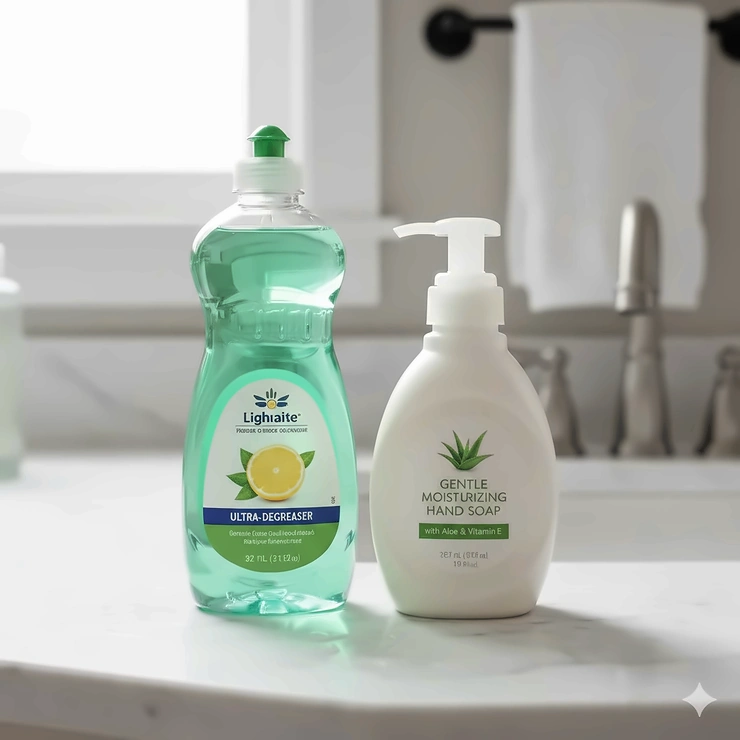
Have you ever stood at your kitchen sink, dish soap in one hand, wondering if it’s safe to wash your hands with it? You’re not alone. In 2026, this question has become more relevant than ever as households seek multipurpose cleaning products that work efficiently without breaking the bank.
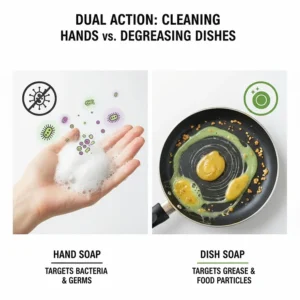
The short answer is yes, you can use dish soap as hand soap occasionally – but there’s a catch. While dish soap effectively removes germs and bacteria just like hand soap, it’s formulated to tackle grease and grime on dishes, not the delicate pH balance of your skin. Understanding when, how, and which dish soaps are gentler on hands can save you from dry, irritated skin while keeping your hands clean.
Throughout this comprehensive guide, I’ll reveal which dish soaps double as effective hand cleaners, explore the science behind soap formulations, and provide expert recommendations for maintaining both cleanliness and skin health. Whether you’re looking for ivory liquid body soap alternatives or exploring dual purpose soap options, this article covers everything you need to know about using dish soap safely on your hands.
Quick Comparison Table: Dish Soap vs. Hand Soap
| Feature | Dish Soap | Hand Soap | Winner |
|---|---|---|---|
| Germ Removal | ✅ Highly Effective | ✅ Highly Effective | 🟰 Tie |
| Grease-Cutting Power | ⚡ Superior (2-5x stronger) | Basic | Dish Soap |
| Skin Moisturization | ⚠️ Minimal to None | ✅ Contains Moisturizers | Hand Soap |
| pH Balance | 8-10 (Alkaline) | 5-7 (Skin-Friendly) | Hand Soap |
| Skin Irritation Risk | ⚠️ Moderate to High | ✅ Low | Hand Soap |
| Cost per Wash | $0.02-0.04 | $0.03-0.06 | Dish Soap |
| Antibacterial Options | Limited | Widespread | Hand Soap |
💬 Just one click – help others make better buying decisions too! 😊
Top 7 Dish Soaps Safe for Hand Washing: Expert Analysis
1. Dawn Ultra Antibacterial Hand Soap (Orange Scent)
Price Range: $3.50-$5.99 per 19.4 oz bottle
Key Specifications:
- Contains Chloroxylenol antibacterial agent
- 2X grease-cleaning power per drop
- Biodegradable formula
This iconic blue (or orange) bottle has earned its reputation for good reason. Dawn Ultra is specifically marketed as safe for hand washing, making it one of the few dish soaps explicitly designed for dual purpose use. Wildlife rescue organizations use Dawn to clean animals affected by oil spills, demonstrating its gentleness despite powerful cleaning action.
Customer feedback highlights its effectiveness at removing stubborn grease while being relatively gentle on hands. Many users report using it successfully for both dish washing and hand cleaning without significant dryness, though frequent users recommend following up with hand lotion.
Pros:
✅ Trusted by wildlife rescue organizations
✅ Effective antibacterial properties
✅ Widely available and affordable
Cons:
❌ Can cause dryness with frequent use
❌ Fragrance may irritate sensitive skin
2. Mrs. Meyer’s Clean Day Liquid Dish Soap (Lemon Verbena)
Price Range: $3.99-$4.99 per 16 oz bottle
Key Specifications:
- Plant-derived cleaning agents
- Essential oil-infused formula
- Biodegradable and cruelty-free
Mrs. Meyer’s represents the perfect middle ground between cleaning power and skin kindness. The formula includes plant-based surfactants that effectively cut through grease while being notably gentler than conventional dish soaps. The Lemon Verbena scent comes from essential oils rather than synthetic fragrances, reducing irritation risk.
Customers frequently mention using this product interchangeably for dishes and hand washing. The formula rinses clean without leaving residue, and many users with mild sensitivities report positive experiences. Available in multiple garden-inspired scents including Basil, Lavender, and Rose.
Pros:
✅ Garden-inspired natural scents
✅ Gentle enough for frequent hand washing
✅ Leaping Bunny certified (cruelty-free)
Cons:
❌ Higher price point than conventional options
❌ Essential oils may trigger allergies in some users
3. Seventh Generation Dish Liquid Soap Free & Clear
Price Range: $3.79-$5.49 per 19 oz bottle
Key Specifications:
- Fragrance-free and dye-free
- EPA Safer Choice Certified
- 95% USDA Certified Biobased
For those with sensitive skin or fragrance sensitivities, Seventh Generation’s Free & Clear formula is exceptional. This product earned EPA Safer Choice certification, meaning it meets stringent environmental and health standards. The formula is dermatologist-tested and specifically designed for sensitive skin.
Customer reviews consistently praise this soap for being tough on dishes while remarkably gentle on hands. It’s particularly popular among users managing eczema or dermatitis who found other dish soaps too harsh. The plant-based formula delivers impressive grease-cutting without the typical hand-drying effects.
Pros:
✅ Ideal for sensitive skin and allergies
✅ No synthetic fragrances or dyes
✅ Dermatologist tested and EPA certified
Cons:
❌ Less effective on heavy, baked-on grease
❌ Unscented formula may not appeal to everyone
4. Palmolive Ultra Pure + Clear Fragrance Free
Price Range: $2.99-$4.29 per 32.5 oz bottle
Key Specifications:
- Hypoallergenic formula
- 100% biodegradable cleaning ingredients
- Free of parabens and phosphates
Palmolive’s Pure + Clear line offers exceptional value without sacrificing skin safety. The hypoallergenic formulation makes it suitable for regular hand washing, and the larger bottle size provides excellent cost-per-use value. This product is EPA Safer Choice certified and uses 100% post-consumer recycled plastic packaging.
Users appreciate the residue-free clean and minimal skin irritation. Many report successfully using it as their primary hand soap replacement without issues. The fragrance-free version is particularly popular among those who dislike heavily scented products or work in scent-sensitive environments.
Pros:
✅ Outstanding value (largest volume)
✅ Hypoallergenic and residue-free
✅ Eco-friendly packaging
Cons:
❌ May require more product for heavy grease
❌ Some bottles reported minor leakage issues
5. Ivory Ultra Concentrated Dishwashing Liquid
Price Range: $3.49-$4.99 per 24 oz bottle
Key Specifications:
- 99.44% pure formula heritage
- Plant-based cleansers
- Classic gentle formulation
Ivory brings its 145-year heritage of gentle cleansing to dish soap. The brand’s commitment to purity and simplicity results in a formula that’s notably milder than most conventional dish soaps. While originally designed for dishes, the plant-based cleansers are gentle enough for occasional hand washing.
Customer feedback frequently mentions that Ivory doesn’t cause the typical redness or irritation associated with other dish soaps. Users with soap allergies specifically seek out Ivory for its minimal additive approach. The classic scent is subtle and nostalgic rather than overpowering.
Pros:
✅ Trusted brand with gentle reputation
✅ Minimal additives and allergens
✅ Suitable for those with soap sensitivities
Cons:
❌ Less powerful on tough, baked-on foods
❌ Ultra-concentrated formula requires careful dosing

6. ECOS Hypoallergenic Dish Soap (Free & Clear)
Price Range: $4.49-$6.99 per 25 oz bottle
Key Specifications:
- Coconut-derived surfactants
- pH-balanced formula
- Made in carbon-neutral facility
ECOS represents the gold standard in eco-conscious, skin-friendly dish soap. The formula is specifically pH-balanced to match skin’s natural acidity, reducing irritation significantly. Coconut-derived surfactants provide powerful cleaning while remaining hypoallergenic and dermatologist-tested.
This Black-owned company produces all products in TRUE Platinum Zero Waste facilities using 100% renewable energy. Customer reviews highlight exceptional gentleness on hands, with many users switching from hand soap entirely. The formula works well with hard water and rinses clean without residue.
Pros:
✅ pH-balanced for skin compatibility
✅ Sustainably produced (carbon-neutral)
✅ Excellent for baby bottles and delicate items
Cons:
❌ Premium pricing
❌ May be harder to find in physical stores
7. Dawn Free & Clear EZ-Squeeze
Price Range: $3.89-$5.49 per 24.3 oz bottle
Key Specifications:
- Zero harsh fragrances or dyes
- EZ-Squeeze no-flip cap design
- Gentle formula with Dawn cleaning power
Dawn’s Free & Clear variant combines the brand’s legendary grease-fighting reputation with a gentler, fragrance-free formulation. The EZ-Squeeze bottle design prevents waste and allows one-handed operation – convenient when your hands are already messy. This product is specifically formulated to be gentle on hands while maintaining Dawn’s cleaning effectiveness.
Users appreciate having Dawn’s cleaning power without the strong fragrances that can irritate sensitive skin. The formula is particularly popular among households with young children or individuals managing skin conditions. The no-flip cap reduces bacterial buildup common with traditional flip-tops.
Pros:
✅ Dawn cleaning power without harsh fragrances
✅ User-friendly bottle design
✅ Suitable for sensitive skin
Cons:
❌ Still more drying than dedicated hand soaps
❌ Slightly more expensive than original Dawn
Understanding the Chemistry: Why Dish Soap Differs from Hand Soap
The fundamental difference between dish soap and hand soap lies in their surfactant strength and pH levels. Dish soaps typically contain stronger surfactants like sodium lauryl sulfate at higher concentrations (8-15%) compared to hand soaps (2-8%), designed to break down cooking oils and food residues that regular hand washing never encounters.
Your skin naturally maintains a pH of 4.5-5.5, creating an acidic protective barrier called the acid mantle. Hand soaps are formulated at pH 5-7 to minimize disruption of this barrier. Most dish soaps, however, operate at pH 8-10 (alkaline) to maximize grease-cutting power. This alkalinity helps emulsify stubborn fats but can strip your skin’s natural oils more aggressively.
The acid mantle serves as your first line of defense against harmful bacteria and environmental irritants. When dish soap temporarily disrupts this barrier through repeated exposure, you may experience dryness, redness, or increased sensitivity.
Skin Moisture Retention: The Dryness Factor
Dermal safety considerations must account for how different soap formulations affect skin moisture retention. Dish soaps excel at removing oils – that’s literally their job. Unfortunately, they can’t distinguish between grease on your dinner plate and the beneficial lipids protecting your hands.
According to research published in Contact Dermatitis, regular exposure to dishwashing detergents at concentrations as low as 0.05% can cause increased transepidermal water loss (TEWL) in over 70% of individuals. This leads to the tight, dry feeling many experience after washing dishes without gloves.
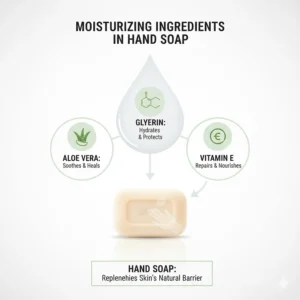
Hand soaps typically include humectants like glycerin, aloe vera, or natural oils that help maintain skin moisture retention during and after washing. Premium formulations even deposit moisturizing ingredients as you wash. Dish soaps rarely include these skin-conditioning agents, prioritizing cleaning efficacy instead.
If you frequently use dish soap for hand washing, consider these protective measures:
- Limit exposure time (15-30 seconds maximum)
- Rinse thoroughly to remove all soap residue
- Apply hand cream immediately after drying
- Alternate with proper hand soap when possible
- Use lukewarm rather than hot water
Antibacterial Properties: What You Need to Know
A common misconception suggests antibacterial dish soaps provide superior germ protection. According to the CDC, plain soap and water effectively removes germs without antibacterial ingredients. In 2016, the FDA banned 19 antibacterial ingredients, including triclosan, from over-the-counter soaps after finding no evidence they worked better than regular soap.
The key to effective hand washing isn’t the soap type – it’s the technique. The CDC recommends:
- Wet hands with clean, running water
- Apply soap and lather thoroughly
- Scrub all hand surfaces for at least 20 seconds
- Rinse completely under running water
- Dry with a clean towel or air dryer
Both dish soap and hand soap kill germs through mechanical action rather than antibacterial chemicals. The surfactants in soap lift bacteria and viruses from your skin surface, which are then washed away with water. Proper scrubbing duration and coverage matter far more than antibacterial labels.
Dawn Ultra Antibacterial (containing chloroxylenol) represents one of the few dish soaps with actual antibacterial properties. However, even this provides minimal additional protection compared to thorough washing with regular soap.
Hand Washing Frequency and Skin Health
The average person washes their hands 6-10 times daily, though hand washing frequency increased significantly during and after the COVID-19 pandemic. Healthcare workers and food service professionals may wash 30-50+ times per shift. This frequent exposure amplifies any negative effects from harsh soaps.
Dermatologists note that excessive hand washing with aggressive detergents can lead to irritant contact dermatitis, characterized by:
- Persistent dryness and cracking
- Redness and inflammation
- Itching or burning sensations
- Thickened, scaly skin patches
- Increased sensitivity to other products
Using gentle dish soap as hand soap occasionally won’t cause problems for most people. However, if you’re washing hands frequently throughout the day, switching to dedicated hand soap or one of the gentler multipurpose options becomes essential for maintaining skin health.
For those who must use dish soap regularly (restaurant workers, home cooks preparing multiple meals), consider this rotation:
- Morning/Midday: Use gentle dish soap for quick hand washing
- Evening: Switch to moisturizing hand soap
- Before Bed: Apply intensive hand cream or petroleum jelly
- Weekly: Use gentle exfoliation to remove dead skin buildup
Gentle Dish Soap for Hands: What Makes the Difference?
When evaluating whether a dish soap is suitable for hand washing, look for these characteristics:
Formulation Factors
Plant-Based Surfactants: Coconut and palm kernel oil derivatives tend to be gentler than petroleum-based alternatives. Products like Mrs. Meyer’s and ECOS emphasize plant-derived cleaning agents that balance effectiveness with mildness.
Free & Clear Options: Fragrances and dyes serve no cleaning purpose and increase irritation risk. Seventh Generation, Palmolive Pure + Clear, and Dawn Free & Clear eliminate these unnecessary additives.
pH-Balanced Formulas: While rare in dish soaps, products like ECOS specifically formulate to minimize pH disruption. Look for products describing themselves as “pH-balanced” or “dermatologist tested.”
Biodegradable Ingredients: Generally correlates with gentler formulations using plant-based components rather than harsh synthetic chemicals.
Certification Markers
- EPA Safer Choice: Meets environmental and human health standards
- Leaping Bunny: Cruelty-free testing practices
- USDA Biobased: High percentage of renewable plant materials
- Dermatologist Tested: Evaluated for skin safety
- Hypoallergenic: Formulated to minimize allergic reactions
Dual Purpose Soap: Practical Applications
The concept of dual purpose soap appeals to minimalists, travelers, and budget-conscious consumers. Here are practical scenarios where using dish soap as hand soap makes sense:
Ideal Use Cases
✅ Emergency Situations: Hand soap dispenser empty, dish soap available
✅ Travel/Camping: Reduce luggage by carrying one multipurpose soap
✅ Post-Cooking Cleanup: Hands covered in cooking grease need extra power
✅ Workshop/Garage: Removing grease, paint, or adhesive from hands
✅ Budget Constraints: One product serving multiple purposes saves money
When to Avoid
❌ Sensitive Skin Conditions: Eczema, psoriasis, or dermatitis sufferers
❌ Frequent Hand Washing: Healthcare, food service, or caregiving roles
❌ Children’s Hands: Young skin is more sensitive and susceptible to irritation
❌ Broken Skin: Cuts, scrapes, or cracked skin need gentler treatment
❌ Face/Body Washing: Facial and body skin require pH-matched products

Multipurpose Cleaning Products: The Pros and Cons
The multipurpose cleaning products trend reflects consumer desire for simplicity and sustainability. Using fewer specialized products reduces packaging waste, simplifies storage, and potentially saves money. However, this one-size-fits-all approach has limitations.
Advantages of Multipurpose Approach
Cost Efficiency: One bottle costs less than buying separate dish soap and hand soap
Reduced Waste: Fewer bottles mean less plastic consumption
Space Saving: Valuable in small kitchens or apartments
Travel Friendly: Particularly useful for camping or RV living
Simplified Shopping: Fewer decisions and purchases needed
Disadvantages to Consider
Compromise Performance: Jack-of-all-trades, master of none
Skin Health Risks: Formulations optimized for dishes may harm skin
Cost-Per-Use Reality: Gentler products often require more applications
Lack of Specialization: Neither performs as well as dedicated products
Limited Moisturization: Missing hand soap’s skin-conditioning benefits
Dermal Safety Considerations: Expert Recommendations
Dr. Kally Papantoniou, a board-certified dermatologist, notes in an interview with The Healthy that occasional use of dish soap on hands won’t cause long-term damage to healthy skin. However, she emphasizes several important precautions.
Dermatologist-Approved Guidelines
For Occasional Use:
- Limit contact time to under 30 seconds
- Rinse thoroughly until all soap residue disappears
- Pat hands dry gently rather than rubbing
- Apply hand cream within 3 minutes of washing
- Monitor for irritation signs (redness, itching, dryness)
For Frequent Use:
- Choose hypoallergenic, fragrance-free formulations
- Alternate with proper hand soap throughout the day
- Use lukewarm water instead of hot (preserves skin oils)
- Consider wearing gloves for dishwashing tasks
- Maintain consistent moisturizing routine
Red Flags Requiring Change: If you experience any of these symptoms, stop using dish soap on hands immediately:
- Persistent cracking or bleeding
- Severe itching or burning
- Rash or hives development
- Skin thickening or scaling
- Increased sensitivity to other products
Special Populations
Individuals with Eczema: Should avoid dish soap entirely for hand washing. Even “gentle” formulations may trigger flare-ups. Stick to fragrance-free, SLS-free hand soaps like Vanicream or Cetaphil.
Pregnant Women: While dish soap poses no direct pregnancy risks, hormonal changes often increase skin sensitivity. Choose the gentlest options if using dish soap on hands.
Children: Young skin has a thinner stratum corneum (outer skin layer) and produces less sebum. Avoid dish soap for children’s hand washing; use dedicated kids’ hand soap instead.
Product Comparison: Benefits vs. Traditional Alternatives
| Aspect | Gentle Dish Soap | Traditional Hand Soap | Winner |
|---|---|---|---|
| Cleaning Power | ⚡⚡⚡⚡⚡ (Excellent) | ⚡⚡⚡ (Good) | Dish Soap |
| Grease Removal | ⚡⚡⚡⚡⚡ (Superior) | ⚡⚡ (Limited) | Dish Soap |
| Moisturization | ⚡ (Minimal) | ⚡⚡⚡⚡ (Excellent) | Hand Soap |
| pH Balance | ⚡⚡ (Alkaline) | ⚡⚡⚡⚡⚡ (Skin-matched) | Hand Soap |
| Fragrance Options | ⚡⚡⚡ (Moderate) | ⚡⚡⚡⚡⚡ (Extensive) | Hand Soap |
| Cost per 100 Washes | $0.80-$1.20 | $1.50-$3.00 | Dish Soap |
| Skin Irritation Risk | ⚡⚡⚡ (Moderate) | ⚡ (Low) | Hand Soap |
| Environmental Impact | ⚡⚡⚡⚡ (Good options available) | ⚡⚡⚡ (Varies widely) | Dish Soap* |
*When choosing plant-based, biodegradable options
✨ Don’t Miss These Exclusive Deals!
🔍 Take your hand hygiene to the next level with these carefully selected products. Click on any highlighted item to check current pricing and availability. These tools will help you maintain clean hands while protecting your skin health!
Price Range & Value Analysis
Understanding the true cost of switching between dedicated products and multipurpose options requires looking beyond sticker price.
| Product Category | Price Range | Volume | Cost per Oz | Estimated Uses | Cost per Use |
|---|---|---|---|---|---|
| Budget Dish Soap | $1.99-$3.49 | 24-32 oz | $0.07-$0.12 | 200-250 | $0.01-$0.02 |
| Premium Dish Soap | $3.99-$6.99 | 16-25 oz | $0.20-$0.35 | 150-200 | $0.03-$0.04 |
| Budget Hand Soap | $1.49-$2.99 | 10-12 oz | $0.12-$0.25 | 80-100 | $0.02-$0.03 |
| Premium Hand Soap | $3.99-$7.99 | 12-16 oz | $0.30-$0.55 | 100-120 | $0.04-$0.07 |
While premium dish soaps cost more upfront, their concentrated formulas often deliver more uses per bottle. For hand washing specifically, you’ll use less product per wash than dish washing, extending the bottle’s life even further.
Value Verdict: If you’re using one of the gentler dish soap options for occasional hand washing (2-3 times daily), the cost difference is negligible – roughly $5-10 annually. However, if replacing hand soap entirely, factor in moisturizer costs, as you’ll likely need additional skin care products to compensate for dish soap’s drying effects.
How to Safely Use Dish Soap for Hand Washing
If you decide to use dish soap for hand washing, following proper technique minimizes potential skin damage while maximizing cleaning effectiveness.
Step-by-Step Safe Usage
1. Choose the Right Product
Select one of the gentler options: Seventh Generation Free & Clear, ECOS Hypoallergenic, Mrs. Meyer’s plant-based formulas, or Palmolive Pure + Clear.
2. Use Proper Technique
- Wet hands thoroughly with lukewarm water (not hot)
- Apply 1-2 small drops (less than dish washing amount)
- Lather for 20-30 seconds, covering all hand surfaces
- Focus on fingertips, between fingers, and under nails
- Rinse completely until water runs clear and soap-free
3. Dry Properly
- Pat hands gently with clean towel
- Avoid rough rubbing which irritates skin
- Ensure hands are completely dry (bacteria spread easily when hands are damp)
4. Moisturize Immediately
Apply hand cream or lotion within 3 minutes while pores are still open. This locks in moisture and helps restore your skin’s protective barrier.
5. Monitor Your Skin
Pay attention to how your hands feel and look. If you notice increased dryness, redness, or discomfort, switch back to dedicated hand soap.
Alternative Solutions: When Dish Soap Isn’t Enough
Sometimes the situation calls for specialized solutions beyond basic dish or hand soap:
Heavy Duty Grease Removal
For mechanics, artists, or DIY enthusiasts dealing with paint, grease, or adhesive:
- Fast Orange Hand Cleaner: Pumice-based formula for industrial grime
- Gojo Original: Classic choice for auto mechanics
- Lava Bar Soap: Gentle abrasive for tough jobs
Sensitive Skin Alternatives
For those who can’t tolerate any dish soap formulation:
- Vanicream Gentle Facial Cleanser: Hypoallergenic, free of common irritants
- Cetaphil Gentle Skin Cleanser: Dermatologist recommended for eczema
- Free & Clear Liquid Cleanser: Designed for severe sensitivities
Eco-Conscious Options
For environmentally focused consumers wanting both hand and dish coverage:
- Dr. Bronner’s Pure-Castile Soap: Dilutable for multiple uses
- Everyone Soap for Every Body: Certified organic multipurpose option
- Puracy Natural Multi-Surface Cleaner: Safe for hands and surfaces

Frequently Asked Questions
❓ Can you use dish soap as hand soap everyday?
❓ Is ivory liquid body soap the same as dish soap?
❓ What happens if you wash your hands with Dawn dish soap every day?
❓ How often should you moisturize hands when using dish soap?
❓ Are plant-based dish soaps safer for hand washing than conventional formulas?
Conclusion: Making an Informed Choice
Can you use dish soap as hand soap? Absolutely – with the right product selection and proper precautions. The seven options I’ve detailed above represent the sweet spot between cleaning effectiveness and skin safety, allowing you to confidently use dish soap for hand washing when needed.
The key takeaways for 2026:
- Choose fragrance-free, plant-based formulations whenever possible
- Limit exposure time and rinse thoroughly
- Moisturize immediately after washing
- Pay attention to your skin’s response
- Don’t hesitate to switch back to dedicated hand soap if irritation occurs
Remember that skin moisture retention and dermal safety considerations should guide your decision. While gentle dish soap for hands can serve as an effective multipurpose solution for occasional use, frequent hand washers benefit from products specifically formulated for skin contact.
Whether you’re seeking ivory liquid body soap alternatives or exploring dual purpose soap options, the products and guidelines in this article empower you to make choices that balance cleanliness, convenience, and skin health. Your hands work hard – treat them right while keeping them clean.
Recommended for You
- 7 Dish Soaps Dermatologists Recommend for Sensitive Skin 2026
- Is Dawn Dish Soap Safe for Dogs? 7 Better Alternatives 2026
- 7 Best Concentrated Dish Soap Options That Save Money in 2026
Disclaimer: This article contains affiliate links. If you purchase products through these links, we may earn a small commission at no additional cost to you.
✨ Found this helpful? Share it with your friends! 💬🤗
