
In This Article
Ever stood in front of a shelf full of “African black soap” products and wondered, “Which one is actually real?” You’re not alone. With the explosion of African beauty products in mainstream markets, separating authentic african black soap brands from clever imitations has become trickier than ever.
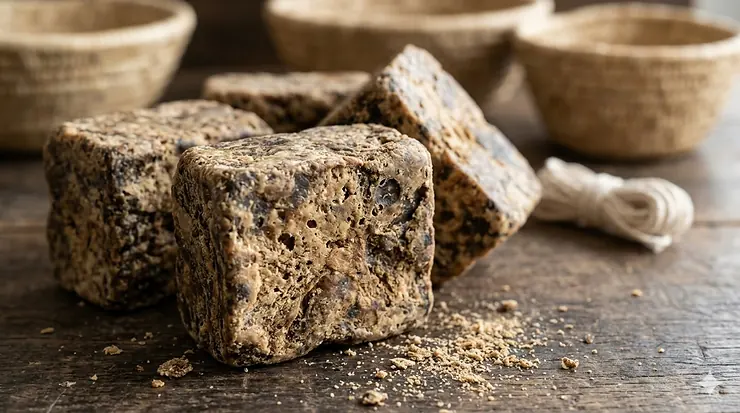
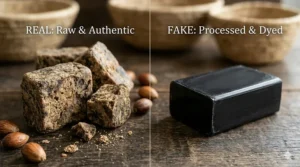
Here’s something that might surprise you: genuine African black soap isn’t actually jet black. That perfectly uniform black bar you’re eyeing? Probably fake. Real African black soap ranges from brown to dark gray with an uneven, rustic texture that tells the story of its handcrafted origins.
I’ve spent countless hours researching where to buy real african black soap, testing products, and consulting with dermatologists who recommend this time-honored cleanser. According to Wikipedia, authentic African black soap originated with the Yoruba people of Nigeria and has antimicrobial properties against various skin bacteria. This 1,000-year-old beauty secret deserves more than a counterfeit knockoff.
In this comprehensive guide, you’ll discover seven authentic african black soap brands available on Amazon right now, learn how to identify genuine products, and understand why imported west african soap beats mass-produced alternatives every single time. Whether you’re battling acne, seeking natural exfoliation, or simply want to honor traditional African craftsmanship, this guide will help you make an informed purchase in 2026.
Quick Comparison Table: Top 7 Authentic African Black Soap Brands
| Brand | Origin | Size | Price Range | Best For | Rating |
|---|---|---|---|---|---|
| Our Earth’s Secrets | Ghana | 1-2 lbs | $18-19 | Raw, bulk purchases | ⭐⭐⭐⭐⭐ |
| Dudu Osun | Nigeria | 5.25 oz | $8-15 | Traditional Nigerian formula | ⭐⭐⭐⭐⭐ |
| Alaffia | Togo | 5-32 oz | $5-31 | Fair trade, liquid options | ⭐⭐⭐⭐½ |
| SheaMoisture | Various | 3.5-8 oz | $5-20 | Mainstream availability | ⭐⭐⭐⭐ |
| Wonderfully Natural | Ghana | 1 lb | $15-18 | Acne-prone skin | ⭐⭐⭐⭐½ |
| Kuza | Ghana | 4 oz | $7-9 | Budget-friendly | ⭐⭐⭐⭐ |
| O Naturals | Mixed | 12 oz (3-pack) | $13-16 | Variety pack | ⭐⭐⭐⭐ |
💬 Just one click – help others make better buying decisions too!😊
Top 7 Places to Buy Real African Black Soap: Expert Analysis
1. Our Earth’s Secrets Raw African Black Soap
When you’re searching for where to buy real african black soap in its most authentic form, Our Earth’s Secrets delivers exactly what serious skincare enthusiasts demand. This certified authentic black soap comes straight from Ghana using traditional recipes that have remained unchanged for generations.
Key Specifications:
- Weight: 1 lb or 2 lb options
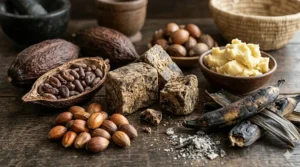
- Ingredients: Palm kernel oil, coconut oil, cocoa pod ash, unrefined shea butter, natural vitamin E
- Price: $18.00-$18.95
What sets this handmade african black soap ghana product apart is its completely raw formulation. There are no artificial fragrances, no preservatives, just pure ingredients sun-dried and hand-stirred by Ghanaian artisans. The soap arrives in its natural state with visible flecks of plant materials—exactly what you want to see.
Customer feedback consistently praises its effectiveness for acne and eczema. One verified buyer mentioned, “After two weeks of use, my skin cleared up significantly and the texture improved dramatically.” The 2-pound option offers incredible value for those committed to natural skincare.
✅ Pros:
- 100% natural ingredients from Ghana
- Large bulk sizes available
- No artificial fragrances
- Excellent for acne and eczema
- Amazon’s Choice product
❌ Cons:
- Raw texture requires lathering in hands first
- Can be slightly drying without moisturizer
2. Dudu Osun African Black Soap
Perhaps the most recognized name when discussing authentic african black soap brands, Dudu Osun (meaning “black soap” in Yoruba) represents Nigerian soap-making heritage at its finest. This is the genuine plantation black soap formula that grandmothers in West Africa have trusted for centuries.
Key Specifications:
- Weight: 5.25 oz per bar (multiple pack options)
- Origin: Made in Nigeria
- Ingredients: Pure honey, shea butter, osun (camwood), palm kernel oil, cocoa pod ash, aloe vera, citrus juices
- Price: $8-15 depending on pack size
What makes Dudu Osun special is its inclusion of osun (camwood extract), which gives it a distinctive earthy scent and additional skin-healing properties. The Cleveland Clinic notes that authentic African black soap contains natural antibacterial and exfoliating properties that gently improve skin texture.
Customers report that this imported west african soap feels different from commercial brands—it’s softer, more porous, and produces a rich, creamy lather. Many users specifically seek out Dudu Osun because it’s been independently tested and certified as authentic.
✅ Pros:
- Authentic Nigerian formula
- Contains traditional osun (camwood)
- Multiple pack sizes for value
- Natural citrus scent
- Long-lasting bars
❌ Cons:
- Slightly higher price point
- Boxes may appear bent (normal due to soap size)
3. Alaffia Authentic African Black Soap
For those wondering where to buy real african black soap with verified fair-trade certification, Alaffia stands out as an ethical choice. This brand works directly with women’s cooperatives in Togo, ensuring your purchase supports community empowerment projects in West Africa.
Key Specifications:
- Available formats: Liquid (2-32 oz) and bar soap (5-8 oz)
- Fair Trade Certified ingredients
- Multiple scent options: Unscented, Eucalyptus Tea Tree, Peppermint, Tangerine
- Price: $5-31 depending on size and format
Alaffia’s liquid black soap is particularly popular because it makes this traditional cleanser more accessible for daily use. The formula follows centuries-old recipes using handcrafted shea butter and orangutan-safe West African palm oil. Unlike some brands, Alaffia is transparent about ingredient sourcing and production methods.
Verified customers love the versatility—it works as face wash, body wash, shampoo, and even shaving soap. One review mentioned, “I’ve tried expensive French cleansers and this $17 bottle outperforms them all. My skin has never looked clearer.”
✅ Pros:
- Fair Trade Certified
- Liquid and bar options
- Multiple natural scents
- Sulfate-free formula
- Supports West African communities
❌ Cons:
- Liquid version not traditional
- Premium pricing
4. SheaMoisture African Black Soap Bar
SheaMoisture has successfully brought certified authentic black soap to mainstream retailers while maintaining quality standards. Founded on the legacy of Sofi Tucker, who sold shea butter and African black soap in Sierra Leone in 1912, this brand honors traditional formulations with modern accessibility.
Key Specifications:
- Weight: 3.5-8 oz bars
- Ingredients: African black soap base, fair trade shea butter, oat kernel meal, aloe, vitamin E
- Formulated for melanin-rich skin
- Price: $5-20 for multi-packs
While some purists debate whether SheaMoisture qualifies as truly authentic (it contains some modern ingredients like glycerin and iron oxides), it offers a gentler introduction to African black soap for those with sensitive skin. The brand is Black dermatologist-approved and uses 97% naturally derived ingredients.
Customer reviews indicate this product works well for clearing acne while maintaining moisture balance. It’s widely available both online and in physical stores, making it convenient for those seeking immediate access.
✅ Pros:
- Widely available
- Black dermatologist-approved
- Fair trade shea butter
- Gentler formula
- Good for sensitive skin
❌ Cons:
- Contains some synthetic ingredients
- Not as traditional as other options
- Higher price per ounce
5. Wonderfully Natural #1 African Black Soap
This Wonderfully Natural offering ranks among the top choices for where to buy real african black soap specifically formulated for acne and dark spots. As an African-owned business, they bring cultural authenticity and deep knowledge of traditional soap-making to every bar.
Key Specifications:
- Weight: 1 lb bar (90-day supply)
- Origin: Ghana
- 100% vegan and cruelty-free
- Fair trade partnerships
- Price: $15-18
The brand emphasizes its commitment to uplifting Ghanaian communities through ethical sourcing. Each bar carries what they call “Red, Gold & Green Vibes”—embracing African heritage in every aspect. The soap contains high concentrations of vitamins A and E from natural plantain skins.
Customers specifically battling acne report impressive results. The organic formulation means you’re getting pure plant-based nutrients without questionable additives. One satisfied buyer noted, “This cleared my bacne in three weeks after years of trying commercial products.”
✅ Pros:
- African-owned business
- Large 1 lb size
- Excellent for acne treatment
- Vegan and cruelty-free
- Deep earthy scent
❌ Cons:
- Strong scent may not suit everyone
- Can initially feel drying
6. Kuza 100% African Black Soap
For budget-conscious shoppers researching where to buy real african black soap without compromising authenticity, Kuza offers genuine handmade african black soap ghana products at accessible prices.
Key Specifications:
- Weight: 4 oz
- Made in Ghana
- Ingredients: Coconut oil, shea butter, cocoa pod ash, tea tree oil
- Price: $7-9
Despite its lower price point, Kuza maintains quality standards by importing directly from Ghanaian producers. The addition of tea tree oil provides extra antibacterial properties, making it particularly effective for those with oily or acne-prone skin.
Customer feedback highlights its effectiveness for daily use. The compact 4 oz size makes it perfect for travel or for those wanting to test African black soap before committing to larger quantities. Regular users appreciate that it preserves the soap’s natural benefits while remaining affordable.
✅ Pros:
- Budget-friendly pricing
- Handcrafted in Ghana
- Contains tea tree oil
- Travel-friendly size
- Great for beginners
❌ Cons:
- Smaller size
- Limited availability
- Basic packaging
7. O Naturals Organic Soap Bar 3-Pack
O Naturals takes traditional African black soap and enhances it with complementary natural ingredients like olive oil, dead sea mud, and lavender. This triple-milled French-perfected formula represents where to buy real african black soap with modern refinements.
Key Specifications:
- Weight: 12 oz total (3 bars of 4 oz each)
- Ingredients: African black soap, shea butter, olive oil, dead sea mud, lavender
- Cold process method
- Price: $13-16
The triple-milling process creates a firmer bar that lasts longer and glides smoothly on skin. While this process makes it less traditional, the core African black soap base remains authentic. Each bar is handmade, vegan, and free from sulfates and parabens.
Customers love the value proposition—three bars for under $16 with premium ingredients. The combination of African black soap’s cleansing power with olive oil’s moisturizing benefits creates a balanced formula suitable for all skin types.
✅ Pros:
- Three bars included
- Triple-milled quality
- Enhanced with premium ingredients
- Long-lasting bars
- Vegan and cruelty-free
❌ Cons:
- Less traditional due to processing
- Stronger lavender scent
- Firmer texture
✨ Don’t Miss These Exclusive Deals!
🔍 Take your skincare routine to the next level with these carefully selected products. Click on any highlighted item to check current pricing and availability. These authentic African black soap brands will help you achieve the clear, radiant complexion your skin deserves!
How to Identify Genuine African Black Soap: Your Ultimate Authenticity Guide
Color Check: Brown is the New Black
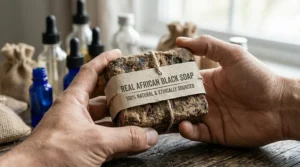
Authentic african black soap brands never produce uniformly jet-black bars. Real African black soap ranges from light brown to dark brown or grayish-brown. The longer the plant materials are roasted during production, the darker the color becomes—but it never reaches that artificial, perfect black you see in some commercial products.
If you encounter a bar that’s completely black with a smooth, polished surface, that’s your first red flag. Manufacturers add black dye or charcoal to achieve that appearance, but these additions aren’t part of traditional recipes.
Texture Tells the Truth
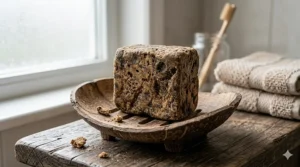
Genuine handmade african black soap ghana products have a soft, crumbly texture with an uneven surface. When you touch authentic soap, it should feel slightly rough with visible flecks of plant materials—cocoa pod ash, plantain skins, or shea tree bark.
The soap becomes putty-like when wet, unlike the hard, smooth consistency of commercial bars. This softness comes from the traditional hand-stirring process and natural glycerin content. Store your bar in a cool, dry place and allow it to dry fully between uses to extend its life.
Ingredient Simplicity
When examining where to buy real african black soap, scrutinize the ingredient list. Authentic versions contain 2-5 natural ingredients maximum:
- Plantain skin ash or cocoa pod ash
- Palm kernel oil or palm oil
- Coconut oil
- Unrefined shea butter
- Water
If you see lengthy ingredient lists with words like glycerin, sodium chloride, tetrasodium etidronate, fragrance, or iron oxides, you’re looking at a modernized version—not traditional certified authentic black soap.
Origin Matters
Genuine imported west african soap comes from specific regions: Ghana, Nigeria, Togo, or Benin. Product labels should clearly state the country of origin and ideally mention fair trade partnerships or women’s cooperatives involved in production.
Look for transparency about sourcing. Reputable brands like Alaffia and Our Earth’s Secrets provide detailed information about where and how their soap is made. This transparency builds trust and ensures your purchase supports authentic African artisans.
Natural Scent Profile
Real African black soap has an earthy, slightly smoky, nutty aroma—never heavily perfumed. The natural scent comes from roasted plant materials and should smell organic and grounded, not like chemical fragrances.
Some authentic brands add natural essential oils (like tea tree or lavender), but the base soap should still maintain that characteristic earthy undertone. If it smells like a department store perfume counter, keep searching.
What Makes Handmade African Black Soap from Ghana Special?
Traditional Production Methods Unchanged for Centuries
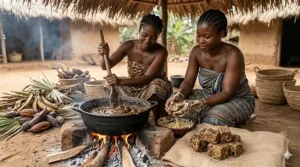
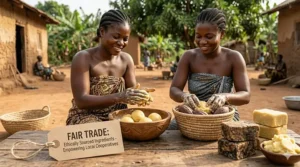
Ghana has become synonymous with high-quality African black soap production. Ghanaian artisans—predominantly women—use methods passed down through generations, creating handmade african black soap ghana products that represent living cultural heritage.
The process begins with sun-drying plantain peels for two weeks to a month. Once completely moisture-free, these materials are carefully burned in large clay ovens to create nutrient-rich ash. This ash is filtered through water multiple times, creating a concentrated lye solution—the foundation of all true soap.
The lye combines with various oils and butters, then skilled soapmakers hand-stir the mixture for at least 24 hours. Some batches require several days of stirring to achieve the perfect consistency. The soap is poured into molds and left to cure for weeks, during which it develops its characteristic dark color and mild scent.
Fair Trade Impact
When you choose where to buy real african black soap from Ghanaian producers, you’re supporting economic empowerment. Many authentic brands work with women’s cooperatives, ensuring fair wages and sustainable practices.
These partnerships provide stable income for families in rural communities where employment opportunities are limited. Your purchase of certified authentic black soap literally helps children attend school, improves healthcare access, and strengthens local economies.
Superior Ingredient Quality
Ghana’s climate and soil conditions produce some of the world’s finest shea butter and cocoa. When these premium ingredients combine with traditional soap-making expertise, the result is imported west african soap that simply can’t be replicated in factory settings.
The shea butter content in authentic Ghanaian black soap can reach 48%—exponentially higher than the 1-4% found in commercial soaps. This high concentration provides deep moisturization while maintaining the soap’s cleansing power.
Health Benefits of Authentic African Black Soap
Natural Antibacterial Properties
Research confirms what West Africans have known for centuries: genuine African black soap possesses antimicrobial properties. Studies published in the African Journal of Biotechnology demonstrate effectiveness against Staphylococcus aureus, Escherichia coli, and Candida albicans—common skin bacteria that can cause infections and acne.
These antibacterial qualities make authentic african black soap brands particularly valuable for treating and preventing breakouts. Unlike harsh chemical treatments that strip skin, this natural cleanser eliminates bacteria while maintaining the skin’s protective barrier.
Gentle Exfoliation
The small particles of plant materials in genuine handmade african black soap ghana products act as gentle exfoliants. They remove dead skin cells without the scratchy harshness of commercial scrubs.
This natural exfoliation promotes cell turnover, helping to fade dark spots, reduce fine lines, and reveal fresher, younger-looking skin. The process is gradual and gentle—perfect for sensitive skin that can’t tolerate aggressive treatments.
Rich in Vitamins and Antioxidants
Plantain skins, a key ingredient in traditional recipes, provide high concentrations of vitamins A and E plus iron. These nutrients combat free radical damage, support collagen production, and help maintain skin firmness.
The antioxidants in certified authentic black soap protect against environmental stressors like pollution and UV exposure. Regular use can minimize signs of aging, from wrinkles to age spots.
Moisturizing Without Clogging Pores
Authentic African black soap contains abundant natural glycerin—a byproduct of traditional soap-making that acts as a humectant. Glycerin draws moisture from the air and deposits it into skin, creating lasting hydration.
The high shea butter content adds another layer of moisturization. Yet despite these rich ingredients, imported west african soap doesn’t clog pores because its natural formulation allows skin to breathe.
Suitable for Various Skin Conditions
Dermatologists increasingly recommend African black soap for conditions like:
- Eczema and psoriasis: Natural anti-inflammatory properties soothe irritation
- Acne: Antibacterial action fights breakouts without over-drying
- Razor bumps: Gentle exfoliation prevents ingrown hairs
- Hyperpigmentation: Regular use gradually fades dark spots
- Dry skin: Deep moisturization restores comfort
- Oily skin: Balances sebum production naturally
Comparison: Authentic vs. Commercial African Black Soap
| Feature | Authentic African Black Soap | Commercial “Black Soap” |
|---|---|---|
| Color | Brown to dark gray, uneven | Uniformly black, often dyed |
| Texture | Soft, crumbly, rustic | Hard, smooth, polished |
| Ingredients | 2-5 natural ingredients | 10+ ingredients with chemicals |
| Production | Handcrafted, sun-dried | Machine-made, factory processed |
| Origin | Ghana, Nigeria, Togo, Benin | Often made in US/Europe |
| Scent | Earthy, natural, smoky | Artificial fragrance |
| Price | $8-20 for 4-16 oz | $5-15 for similar sizes |
| Glycerin Content | High (natural byproduct) | Often removed and resold |
| Fair Trade | Common | Rare |
How to Use African Black Soap Properly
For Face Cleansing
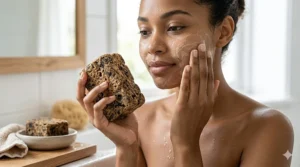
Never rub raw certified authentic black soap directly on your face—those small plant particles can scratch delicate facial skin. Instead, lather the soap in your hands or a soft washcloth until it produces rich foam. Gently massage the lather over your face in circular motions for 1-2 minutes.
For acne treatment, you can leave the lather on as a mask for 3-5 minutes before rinsing. This extended contact time allows the antibacterial properties to work more effectively. Follow with a natural moisturizer since authentic african black soap brands can be slightly drying initially as your skin adjusts.
For Body Washing
Wet your handmade african black soap ghana bar and lather it with a loofah or bath sponge. The soap produces a creamy, luxurious lather that cleanses thoroughly without stripping natural oils. Pay special attention to areas prone to breakouts like chest, back, and shoulders.
Rinse well with warm water and pat dry. Many users report that the natural glycerin in genuine imported west african soap leaves skin feeling soft and moisturized even without additional lotion.
As a Shampoo
Yes, you can use authentic African black soap for hair! It works particularly well for clarifying scalps, removing product buildup, and fighting dandruff. The vitamins A and E support healthy hair growth by nourishing follicles.
Create a rich lather with the soap and massage it into wet hair and scalp. Leave it on for 2-3 minutes to allow the nutrients to penetrate. Rinse thoroughly and follow with a moisturizing conditioner since the deep cleansing action can leave hair feeling dry without conditioning.
Storage Tips
Proper storage extends the life of your soap:
- Keep it in a cool, dry place away from direct sunlight
- Use a soap dish with drainage to prevent sogginess
- Allow the bar to dry completely between uses
- Cut larger bars into smaller pieces for easier handling
- Wipe excess moisture with a washcloth after each use
Price Range & Value Analysis
| Price Tier | Price Range | Product Examples | Best Value For |
|---|---|---|---|
| Budget | $7-10 | Kuza (4 oz), Single Alaffia bar | Testing/Travel |
| Mid-Range | $13-19 | O Naturals 3-pack, Our Earth’s Secrets 1 lb | Regular users |
| Premium | $20-35 | Dudu Osun multi-packs, Alaffia liquid 2-pack | Bulk buyers |
When evaluating where to buy real african black soap based on value, consider cost per ounce. A 2-pound bulk option like Our Earth’s Secrets costs approximately $0.56 per ounce, while smaller premium bars can reach $2+ per ounce. However, smaller sizes let you sample different authentic african black soap brands before committing.
Common Mistakes to Avoid When Buying
Falling for Perfect Appearance
That flawlessly black, smooth bar that looks too beautiful to be true? It probably is. Authentic certified authentic black soap should look handmade because it is handmade. Embrace the imperfections—they’re proof of authenticity.
Ignoring Ingredient Lists
Don’t assume every product labeled “African black soap” contains genuine handmade african black soap ghana formulation. Always read ingredient lists. If you see more than seven ingredients or find synthetic chemicals, you’re not getting the real thing.
Choosing Based on Brand Recognition Alone
Major brands like SheaMoisture offer quality products but include modern additions. While there’s nothing wrong with these formulations, they differ from traditional imported west african soap. Know what you’re buying and decide based on your specific needs rather than marketing hype.
Not Considering Your Skin Type
Even authentic African black soap can cause dryness in some skin types, especially during initial use. If you have very dry or sensitive skin, start slowly—use it every other day while your skin adjusts. Always follow with a quality moisturizer.
Expecting Overnight Results
African black soap works gradually. Give it at least 2-3 weeks of consistent use before evaluating results. Some users see improvements in days, but most notice significant changes after a month of regular use.
Where to Buy Real African Black Soap: Trusted Retailers
Amazon
Amazon offers the widest selection of authentic african black soap brands with verified customer reviews, competitive pricing, and reliable shipping. Look for products with:
- High rating (4+ stars)
- Detailed ingredient listings
- Multiple verified purchase reviews
- Clear country of origin statements
Be cautious of too-good-to-be-true prices or listings with minimal information. Genuine imported west african soap costs more than commercial alternatives because of fair trade practices and traditional production methods.
Specialty African Markets
Local African markets and specialty shops often carry authentic products, sometimes at better prices than online. You can examine the soap in person, checking texture and color before purchasing. Store owners can usually verify authenticity and recommend specific brands.
Fair Trade Organizations
Organizations like Ten Thousand Villages, Equal Exchange, and fair trade collectives frequently stock certified authentic black soap from African women’s cooperatives. While prices may be slightly higher, you’re guaranteed authenticity and ethical sourcing.
Direct from Brands
Purchasing directly from brands like Alaffia, Shea Terra Organics, or African Fair Trade Society ensures authenticity while maximizing support for producers. Many offer subscription services or bulk discounts for regular users.
Sustainability and Ethical Considerations
Supporting Women’s Cooperatives
Most handmade african black soap ghana production happens through women’s cooperatives. These organizations provide economic independence, skills training, and community support for women in rural areas.
When you choose where to buy real african black soap from fair trade sources, you’re investing in education, healthcare, and infrastructure improvements for entire communities. This ethical dimension adds immeasurable value beyond skincare benefits.
Environmental Impact
Traditional African black soap production is remarkably sustainable:
- All ingredients are biodegradable
- No plastic microbeads or synthetic chemicals
- Minimal packaging (often just paper wrapping)
- Plant-based oils support sustainable agriculture
- Water-based production methods
Unlike commercial soaps that introduce pollutants into water systems, authentic certified authentic black soap breaks down naturally without environmental harm.
Cultural Preservation
Every purchase of genuine imported west african soap helps preserve traditional knowledge and craftsmanship. As globalization threatens indigenous practices, supporting authentic production methods ensures these skills pass to future generations.
Frequently Asked Questions
❓ Is african black soap safe for daily use on sensitive skin?
❓ How long does one bar of real african black soap typically last?
❓ Can you use imported west african soap to treat body acne?
❓ What's the difference between liquid and bar african black soap?
❓ How do you know if your african black soap has expired?
Conclusion: Making the Right Choice for Your Skin
Finding where to buy real african black soap in 2026 doesn’t have to feel overwhelming. Armed with knowledge about identifying authentic products, understanding traditional production methods, and knowing which brands deliver genuine quality, you can confidently navigate the market.
The seven products highlighted in this guide—from Our Earth’s Secrets’ raw bulk options to Dudu Osun’s traditional Nigerian bars—represent the best authentic african black soap brands currently available. Whether you prioritize fair trade certification, budget-friendly options, or maximum authenticity, there’s a perfect match for your needs.
Remember the authenticity markers: brown (not black) coloring, soft crumbly texture, short ingredient lists, and West African origins. Genuine handmade african black soap ghana products transform skin naturally through time-tested formulations rather than chemical innovations.
Your skin deserves the real thing. Choose certified authentic black soap from trusted sources, use it consistently, and give it time to work its magic. Thousands of years of West African wisdom can’t be wrong—this traditional cleanser offers benefits that modern alternatives simply can’t replicate.
Start your journey with any of the products recommended above, and join the growing community of people who’ve discovered that the best skincare sometimes comes from the most ancient sources. Your clearest, healthiest skin awaits.
Recommended for You
- 7 Best Lavender Castile Bar Soap Options for Natural Cleansing in 2026
- 7 Best Unscented Castile Soaps for Sensitive Skin 2026
- 7 Best Castile Soap Brands 2026
Disclaimer: This article contains affiliate links. If you purchase products through these links, we may earn a small commission at no additional cost to you.
✨ Found this helpful? Share it with your friends! 💬🤗
