
In This Article
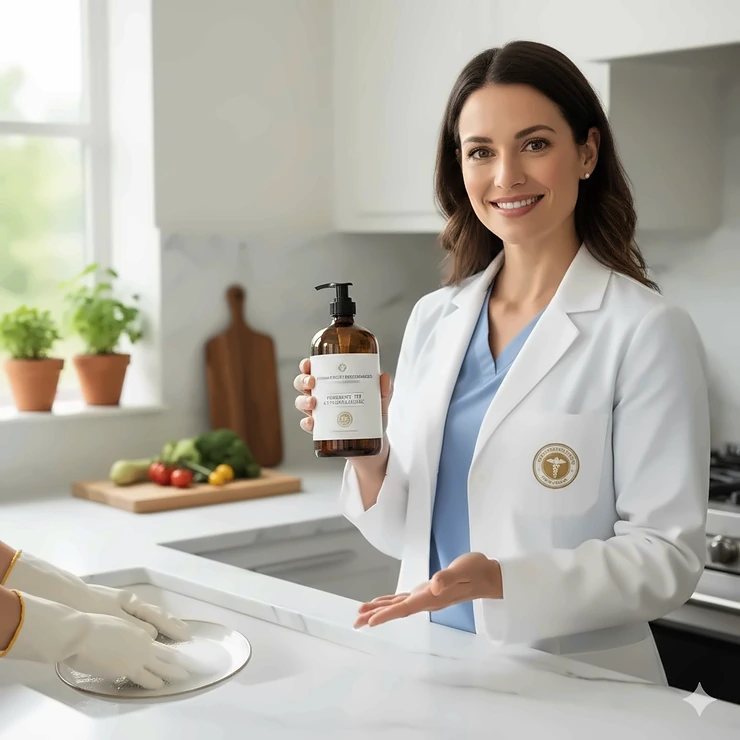
You’ve probably noticed your hands feeling dry, itchy, or irritated after washing dishes. Here’s the thing: most conventional dish soaps contain harsh chemicals that strip your skin’s natural protective barrier, leading to dermatitis, eczema flare-ups, and chronic hand irritation. The question of what dish soap do dermatologists recommend isn’t just about cleanliness—it’s about protecting your skin’s health.
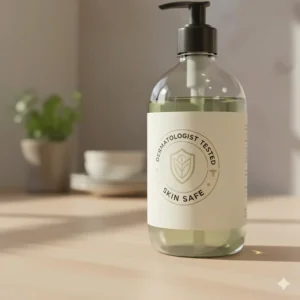
Board-certified dermatologists consistently emphasize one crucial factor when choosing dishwashing products: pH balance. Your skin naturally maintains a slightly acidic pH between 4.5 and 5.5, but most traditional dish soaps have an alkaline pH of 9-11, which disrupts your skin barrier and triggers inflammation. According to research published in the Journal of Clinical Medicine, elevated skin pH is commonly observed in eczema and leads to symptoms like dry skin, inflammation, and infection.
The difference between harsh commercial soaps and what dish soap do dermatologists recommend comes down to formulation. Dermatologist-approved options are hypoallergenic dish soap formulas free from sulfates, synthetic fragrances, dyes, and preservatives like methylisothiazolinone (MI) and methylchloroisothiazolinone (MCI)—common allergens that cause contact dermatitis in up to 15% of people with skin sensitivities.
Quick Comparison Table
| Dish Soap | Key Feature | Best For | Price Range |
|---|---|---|---|
| ECOS Hypoallergenic Dishmate | pH-balanced, EPA Safer Choice | Severe allergies | $10-12 |
| Seventh Generation Free & Clear | Dermatologist-tested, plant-based | Everyday sensitive skin | $18-22 |
| Puracy Natural Dish Soap | Doctor-developed, concentrated | Families with eczema | $8-10 |
| Better Life Unscented | Vitamin E + Aloe, no gloves needed | Dry, cracked hands | $12-15 |
| Dawn Free & Clear | 3x grease power, biodegradable | Heavy-duty cleaning | $12-14 |
| Ecover Zero Fragrance-Free | MI/MCI free, British Allergy Foundation approved | Multiple chemical sensitivities | $20-25 |
| ATTITUDE Unscented | EWG Verified, 98% natural | Eco-conscious sensitive skin | $8-10 |
💬 Just one click – help others make better buying decisions too!😊
Top 7 Dish Soaps Dermatologists Recommend: Expert Analysis
1. ECOS Hypoallergenic Dishmate Dish Soap – Free & Clear
If you’re searching for what dish soap do dermatologists recommend for the most sensitive skin, ECOS Hypoallergenic Dishmate consistently tops the list. This concentrated formula earned EPA Safer Choice certification and dermatologist testing for a reason.
The plant-derived surfactants from coconuts create powerful grease-cutting action without harsh chemicals. What sets ECOS apart is its pH-balanced formula that maintains your skin’s natural acid mantle rather than disrupting it. At around $10-12 for a pack of two 25-ounce bottles on Amazon, it’s also budget-friendly.
Customer reviews consistently praise its gentle action. One verified buyer shared, “I’ve used this for three years, especially for my children’s items. It offers a gentle yet effective clean without drying out my hands.” The unscented formula contains no dyes, parabens, phosphates, or the 500+ questionable ingredients ECOS promises to avoid.
✅ Pros:
- Dermatologist-tested hypoallergenic
- pH-balanced for sensitive skin
- Concentrated formula (a little goes far)
❌ Cons:
- Less lather than conventional soaps
- May need extra product for heavy grease
Price: $10-12 (Pack of 2, 25 oz bottles)
2. Seventh Generation Dish Liquid Soap – Free & Clear
When dermatologists discuss what dish soap do dermatologists recommend for eczema-prone hands, Seventh Generation Free & Clear frequently makes the cut. This fragrance-free dishwashing soap cuts through grease using plant-based ingredients while being gentle enough for the most reactive skin.
The formula is EPA Safer Choice Certified and USDA Certified Biobased Product 95%, meaning it’s designed with both skin safety and environmental impact in mind. Dermatologist testing confirms it’s safe for sensitive skin, and it’s completely free from fragrances, dyes, phosphates, and triclosan.
Based in Vermont, Seventh Generation operates as a Certified B Corporation and carries the Leaping Bunny seal—they never test on animals. The 19-ounce bottles (pack of 6) retail for approximately $18-22 on Amazon, making it cost-effective for regular use.
Users with contact dermatitis report significant improvement. “This is the only dish soap that doesn’t make my hands break out,” one customer noted.
✅ Pros:
- Dermatologist-tested for sensitive skin
- EPA Safer Choice and USDA Certified
- Plant-based, biodegradable formula
❌ Cons:
- Requires more product for baked-on foods
- Subtle scent despite being “fragrance-free”
Price: $18-22 (Pack of 6, 19 oz bottles)
3. Puracy Natural Dish Soap
Doctor-developed and trusted by families, Puracy Natural Dish Soap represents exactly what dish soap do dermatologists recommend when they emphasize concentration and effectiveness. This Amazon #1 bestseller features a richly concentrated formula—160 sinks per bottle—meaning you use less product and expose your hands to fewer wash cycles.
The formula is 99.41% plant-based with coconut cleansers and vegetable glycerin that actually soften skin while cutting grease. Puracy’s doctor-developed approach shows in their ingredient transparency: no sulfates (SLS, SLES), parabens, petrochemicals, or caustics.
What makes Puracy particularly suitable for best dish soap for eczema needs is its hypoallergenic formulation that’s gluten-free and PETA-Certified Vegan. The Green Tea & Lime scent comes from plant-derived oils, but an unscented version is also available. At $8-10 for 16 ounces, it’s competitively priced given the concentration.
Customer feedback highlights its dual benefit: “Cuts through grease effectively while keeping my hands soft—I don’t need hand lotion afterward like I did with my old dish soap.”
✅ Pros:
- Doctor-developed formula
- Highly concentrated (160 sinks/bottle)
- Actually softens hands while cleaning
❌ Cons:
- Plant-based scents may bother severe fragrance allergies
- Requires proper technique for maximum suds
Price: $8-10 (16 oz bottle)
4. Better Life Dish Soap – Unscented
The mantra “no gloves required” isn’t just marketing—Better Life Dish Soap genuinely delivers on what dish soap do dermatologists recommend for dish soap for sensitive skin without protective barriers. Enriched with vitamin E and aloe, this formula actively moisturizes while you wash.
Better Life’s plant-derived ingredients create a sulfate-free formula (no SLS or SLES) that’s also free from petroleum solvents, chlorine, bleach, added alcohols, and parabens. The unscented variety eliminates even essential oils, making it suitable for people with fragrance allergies.
Founded by dads Tim and Kevin who wanted cleaning products safe enough for their toddlers, Better Life has earned trust through transparency. The 22-ounce bottles (pack of 2) typically cost $12-15 on Amazon and feature formulations gentle enough for children and pets.
One verified purchaser shared, “My hands would crack and peel with regular dish soap. Since switching to Better Life three months ago, my hands have completely healed.”
✅ Pros:
- Vitamin E and aloe moisturize hands
- Safe for children and pets
- Truly fragrance-free (no essential oils)
❌ Cons:
- Less aggressive on stubborn grease
- Thinner consistency than some competitors
Price: $12-15 (Pack of 2, 22 oz bottles)
5. Dawn Free & Clear EZ-Squeeze Dish Soap
Sometimes you need serious grease-cutting power without compromising skin health. Dawn Free & Clear represents what dish soap do dermatologists recommend when you need maximum cleaning efficacy alongside safest dish soap brands credentials. With 3x grease-cleaning power per drop compared to non-concentrated Dawn, it tackles tough messes without requiring excessive exposure.
The formula contains biodegradable surfactants and is crafted with 0% fragrance, dyes, phthalates, or chlorine added. While it’s more mainstream than boutique natural brands, Dawn has been dermatologist-recommended for over 40 years and is the soap used by wildlife rescue organizations—if it’s gentle enough for oil-covered ducklings, it works for sensitive human hands too.
The EZ-Squeeze bottle design minimizes waste and mess. A pack of three 24.3-ounce bottles typically costs $12-14 on Amazon, offering exceptional value for households that wash dishes frequently.
Users appreciate its dual nature: “Finally, a dish soap that cuts grease like Dawn but doesn’t destroy my eczema-prone hands.”
✅ Pros:
- 3x grease-cutting power (less product needed)
- Biodegradable surfactants
- Trusted wildlife-safe formula
❌ Cons:
- Contains some synthetic ingredients
- Not certified organic
Price: $12-14 (Pack of 3, 24.3 oz bottles)

6. Ecover Zero Dish Soap – Fragrance-Free
For people dealing with multiple chemical sensitivities, Ecover Zero delivers precisely what dish soap do dermatologists recommend for contact dermatitis prevention. This British Allergy Foundation-approved formula is specifically free from methylisothiazolinone (MI) and methylchloroisothiazolinone (MCI)—preservatives that cause severe reactions in people with allergic contact dermatitis.
The plant-based and mineral ingredients cut through grease while being tough on stuck-on food but gentle on skin. Ecover’s formula is dermatologically tested on sensitive skin and carries the Ecolabel certificate, assuring environmental sustainability alongside skin safety.
Community reviews from eczema sufferers are particularly telling. One user with MI/MCI allergy reported, “This is the ONLY dishwashing soap free of the preservatives I’m allergic to. My hands are finally eczema-free after years of suffering.”
The 25-ounce bottles (pack of 6) retail for approximately $20-25 on Amazon—a premium price justified by its specialized formulation for severe allergies.
✅ Pros:
- Free from MI/MCI preservatives (major allergens)
- British Allergy Foundation approved
- Dermatologically tested on sensitive skin
❌ Cons:
- Higher price point than competitors
- Availability can be limited
Price: $20-25 (Pack of 6, 25 oz bottles)
7. ATTITUDE Dish Soap – Unscented
EWG (Environmental Working Group) Verified products represent the gold standard for what dish soap do dermatologists recommend when discussing pH balanced formulas and ingredient transparency. ATTITUDE Dish Soap Unscented achieves this certification through rigorous testing and a 98% naturally derived formula.
Made with plant-based and mineral-based ingredients, ATTITUDE is free from bleach, SLS, SLES, colorants, alcohol, and formaldehyde. The hypoallergenic formula breaks down stubborn grease and food particles while remaining gentle on hands—no burning, no dryness.
The recyclable HDPE #2 bottle and FSC-certified cardboard refills demonstrate ATTITUDE’s commitment to sustainability. At approximately $8-10 for 23.7 ounces on Amazon, it’s affordable for eco-conscious families managing sensitive skin.
Customer testimonials highlight its effectiveness: “I have severe eczema and this is one of three dish soaps I can use without flare-ups. The EWG Verification gives me confidence in what I’m putting on my hands.”
✅ Pros:
- EWG Verified (strictest standards)
- 98% naturally derived ingredients
- Eco-conscious packaging
❌ Cons:
- May cause initial tingling on very irritated skin
- Smaller bottle size than some competitors
Price: $8-10 (23.7 oz bottle)
✨ Don’t Miss These Exclusive Deals!
🔍 Take your dish care routine to the next level with these carefully selected products. Click on any highlighted item above to check current pricing and availability on Amazon. These dermatologist-recommended formulas will help you maintain healthy, irritation-free hands!
The Science Behind Skin Barrier Protection
Understanding what dish soap do dermatologists recommend requires grasping how your skin barrier functions. According to the National Eczema Association, the skin barrier is your body’s first line of defense—a physical and functional protection system containing skin cells and specialized immune cells.
In people with eczema or atopic dermatitis, the skin barrier is inherently “leaky.” Research shows up to 30% of eczema patients have mutations in the gene coding for filaggrin, a protein crucial for skin barrier integrity. Without adequate filaggrin, skin cells lose moisture, shrink, and develop gaps—essentially creating holes in your protective wall.
When you use harsh dish soaps with high pH levels (typically 9-11), you further compromise this already vulnerable barrier. Dr. Lina Kennedy, a board-certified dermatologist, explains: “Hand eczema can be tough, especially with frequent handwashing. Using a gentle, nourishing formula helps support the skin barrier rather than destroying it.”
The American Academy of Dermatology recommends looking for pH-balanced formulas between 4.5-5.5 that match your skin’s natural acidity. This prevents the cascade of problems triggered by alkaline soaps: abnormal bacterial growth, inflammation, lipid disruption, and moisture loss.
Clinical research published in MDPI Cells demonstrates that maintaining physiological pH through balanced cleansers significantly improves skin structural and functional integrity, benefiting both moisturization and barrier regeneration.
Clinical Study Results on Dermatologist-Recommended Formulas
Recent scientific studies validate what dermatologists have long understood about dishwashing products and skin health. A comprehensive review in the Journal of Clinical Medicine examined how pH-balanced formulations prevent atopic dermatitis development.
Researchers using murine models compared acidified formulas (pH 2.8) against neutralized versions (pH 7.4). The results were striking: acidified formulas showed significant reduction in both skin lesions and systemic inflammation. While animal studies don’t directly translate to human skin, the principles illuminate why what dish soap do dermatologists recommend emphasizes pH balance.
According to Medical News Today, people experiencing contact dermatitis from dish soap should look for specific ingredient profiles: glycerin for moisture retention, ceramides for barrier repair, and colloidal oatmeal for anti-inflammatory benefits. Clinical trials show colloidal oatmeal significantly improves eczema symptoms through avenanthramides, which inhibit inflammatory pathways.
A study examining hard water’s impact on eczema found that mineral content can disrupt skin pH balance, exacerbating symptoms. This research, highlighted by HealthCentral, underscores why hypoallergenic dish soap formulas must counteract environmental pH challenges.
How to Choose the Safest Dish Soap Brands
Selecting what dish soap do dermatologists recommend involves evaluating multiple factors beyond marketing claims. Here’s a systematic approach:
Step 1: Read the Ingredient List
Avoid sodium lauryl sulfate (SLS), sodium laureth sulfate (SLES), methylisothiazolinone (MI), methylchloroisothiazolinone (MCI), artificial fragrances, dyes, and parabens. These common irritants damage skin barriers and trigger allergic reactions.
Step 2: Look for Third-Party Certifications
EPA Safer Choice, EWG Verified, USDA Certified Biobased, and National Eczema Association Seal of Acceptance indicate rigorous testing. These aren’t just badges—they represent independent verification of safety claims.
Step 3: Check pH Balance
Products should explicitly state pH-balanced formulations. The ideal range is 4.5-5.5, matching your skin’s natural acidity. If pH isn’t listed, contact the manufacturer directly.
Step 4: Consider Concentration
Highly concentrated formulas mean less product per wash, reducing cumulative skin exposure. Look for terms like “ultra-concentrated” or “2x concentrated.”
Step 5: Perform Patch Testing
Before fully switching, test new products on your inner wrist. Apply a small amount, rinse, and cover with a bandage for 24 hours. Any redness, itching, or irritation signals incompatibility.
Step 6: Evaluate Your Water Hardness
Hard water (high mineral content) can amplify soap harshness. If you have hard water, prioritize formulas specifically designed to work in mineral-rich conditions.
Step 7: Monitor Long-Term Effects
Initial gentleness doesn’t guarantee sustained safety. Track your skin’s response over 2-3 weeks. Increasing dryness or occasional itching may indicate cumulative damage.
Understanding Contact Dermatitis Prevention
Contact dermatitis from dishwashing represents one of the most common occupational skin conditions, affecting everyone from professional dishwashers to home cooks. The condition manifests in two forms: irritant contact dermatitis (more common) and allergic contact dermatitis.
Irritant contact dermatitis occurs when harsh chemicals directly damage skin cells, creating inflammation without immune system involvement. Repeated exposure to alkaline dish soaps progressively weakens your skin barrier, leading to chronic hand eczema characterized by dry, cracked, painful skin.
Allergic contact dermatitis involves your immune system recognizing specific ingredients as threats. Common culprits include preservatives (MI/MCI), fragrances, and cocamidopropyl betaine (a surfactant derivative). According to WebMD, about 8-15% of people with contact dermatitis are sensitive to fragrances.
Prevention strategies dermatologists recommend include:
Use Protective Measures: While selecting what dish soap do dermatologists recommend reduces risk, wearing 100% vinyl or nitrile gloves provides additional protection, especially during prolonged dishwashing sessions.
Minimize Water Temperature: Hot water strips natural oils faster than lukewarm water. Keep water temperature comfortable but not steaming.
Apply Moisturizer Immediately: Within 3 minutes of handwashing, apply a thick, fragrance-free hand cream to seal in moisture. Look for products containing ceramides or petrolatum.
Rotate Products: Even with the best dish soap for eczema, occasional rotation prevents sensitization to specific ingredients.
Address Symptoms Early: Don’t ignore early warning signs like mild dryness or occasional itching. Early intervention prevents progression to severe dermatitis.
pH Balanced Formulas: What Makes Them Different
The chemistry of pH balanced formulas explains why what dish soap do dermatologists recommend centers on this characteristic. Your skin’s acid mantle—that slightly acidic surface layer—performs multiple protective functions:
Antimicrobial Defense: Acidic pH (4.5-5.5) creates an inhospitable environment for harmful bacteria while supporting beneficial skin microbiota. When dish soaps elevate pH to 9-11, they disrupt this microbial balance, potentially triggering infections that complicate eczema.
Enzyme Regulation: Skin enzymes that process lipids and proteins function optimally at acidic pH. Alkaline soaps interfere with these enzymes, disrupting barrier repair mechanisms and lipid synthesis.
Structural Integrity: Filaggrin protein breakdown—essential for creating natural moisturizing factors—occurs properly only at acidic pH. Elevated pH impairs this process, reducing skin hydration.
Inflammation Control: Protease enzymes that trigger inflammation are activated at higher pH levels. Maintaining acidic pH keeps these inflammatory mediators in check.
Research published in Allergy, Asthma & Immunology Research demonstrates that skin pH in atopic dermatitis patients often shifts into the neutral-to-basic range (6-8), creating a cascade of barrier dysfunction. Using pH-balanced dish soaps prevents exacerbating this problematic pH elevation.
Modern formulations achieve pH balance through buffering systems—combinations of weak acids and their salts that resist pH changes when mixed with water. Citric acid, lactic acid, and gluconic acid commonly serve this function in hypoallergenic dish soap products.
Best Dish Soap for Eczema: Special Considerations
When eczema affects your hands, selecting what dish soap do dermatologists recommend requires extra scrutiny. Atopic dermatitis—the most common eczema form—creates a perfect storm of vulnerabilities: genetic barrier defects, immune dysfunction, and environmental triggers.
Dr. Peter Lio, a clinical assistant professor of dermatology, emphasizes that eczema management requires a multi-faceted approach. While topical medications treat active flares, preventing new outbreaks demands eliminating irritant exposures—and dish soap represents a major daily trigger.
Critical Selection Factors for Eczema:
Absolute Fragrance-Free: Even “hypoallergenic fragrances” can trigger flares. Natural essential oils are equally problematic—they’re still fragrances that penetrate compromised skin barriers.
Zero Dyes: Color additives serve no functional purpose and introduce unnecessary allergen exposure. Clear or white formulas indicate dye-free composition.
Minimum Preservative System: While preservatives prevent bacterial growth in products, choose formulas using the gentlest options available. Avoid MI/MCI, formaldehyde releasers, and parabens.
Active Moisturizing Ingredients: Look for additions like glycerin, aloe vera, vitamin E, or vegetable oils that actively hydrate rather than merely avoiding drying.
Certification by NEA: The National Eczema Association Seal of Acceptance signifies rigorous review by allergists, dermatologists, and pediatricians specifically for eczema-prone skin.
The Pierre Fabre Eczema Foundation warns that traditional soap and eczema are fundamentally incompatible. Soap-free cleansing products (syndets) offer superior gentleness through pH-neutral, non-alkaline formulations that cleanse without the harsh detergent action of conventional soap.
Hypoallergenic Dish Soap vs Regular Dish Soap
| Characteristic | Regular Dish Soap | Hypoallergenic Dish Soap |
|---|---|---|
| pH Level | 9-11 (highly alkaline) | 4.5-5.5 (skin-matched) |
| Fragrance | Synthetic fragrances, essential oils | Completely fragrance-free |
| Surfactants | SLS, SLES (harsh sulfates) | Plant-derived gentle cleansers |
| Preservatives | MI/MCI, parabens, formaldehyde | Minimal, gentlest options |
| Dyes | Artificial colors | None (clear/white only) |
| Testing | General safety | Dermatologist-tested, hypoallergenic |
| Skin Impact | Strips barrier, causes dryness | Maintains barrier, gentle cleaning |
| Cost | $0.05-0.10/oz | $0.30-0.80/oz |
Real User Experiences with Dermatologist-Recommended Soaps
The most compelling evidence for what dish soap do dermatologists recommend comes from people who’ve transformed their hand health. Here are anonymized accounts compiled from verified Amazon reviews and eczema community forums:
Sarah M., Eczema Community Member: “After 15 years battling hand eczema, dermatologists only prescribed steroid creams that provided temporary relief. When I discovered Ecover Zero and learned about pH balance, everything changed. My dermatologist never mentioned that alkaline soap was making everything worse. Three months of using pH-balanced dish soap, and my hands are finally clear.”
Jennifer K., Mother of Two: “My daughter has severe atopic dermatitis. Her pediatric dermatologist specifically recommended ECOS and Seventh Generation. We’ve used both for two years now—no more hand flares when she helps with dishes. It’s incredible how much difference the right product makes.”
Michael T., Restaurant Worker: “Working in kitchens meant constant hand washing, constant cracking and bleeding. Dawn Free & Clear cut the grease I needed gone while being gentle enough to use 50+ times per shift. My hands healed within weeks.”
Lisa R., Chemical Sensitivity: “I’m allergic to MI and MCI preservatives. Finding dish soap felt impossible—everything triggered reactions. Ecover Zero changed my life. It’s the only formula I can use without gloves, without pain, without rashes.”
These testimonials reinforce what clinical research demonstrates: proper product selection dramatically impacts quality of life for people with sensitive skin, eczema, or contact dermatitis.
❓ Frequently Asked Questions
❓ How do I know if my dish soap is causing skin problems?
❓ Can I still use regular dish soap if I wear gloves?
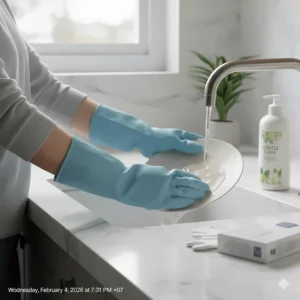
❓ What's the difference between fragrance-free and unscented dish soap?
❓ How quickly should I see improvement after switching dish soaps?
❓ Are natural dish soaps always better for sensitive skin?
Conclusion
Discovering what dish soap do dermatologists recommend transforms daily dishwashing from a skin-destroying chore into a manageable task that protects your health. The seven products highlighted—ECOS Hypoallergenic Dishmate, Seventh Generation Free & Clear, Puracy Natural Dish Soap, Better Life Unscented, Dawn Free & Clear, Ecover Zero, and ATTITUDE Unscented—represent the best available formulations for sensitive skin, eczema, and contact dermatitis prevention.
Remember these key principles: prioritize pH-balanced formulas between 4.5-5.5, avoid fragrances, dyes, and harsh preservatives, look for third-party certifications like EPA Safer Choice and EWG Verified, and combine proper product selection with protective measures like gloves and immediate post-wash moisturizing.
Your skin barrier is your body’s first defense against infection, inflammation, and disease. Protecting it starts with seemingly small choices—like selecting the right dish soap. The investment in hypoallergenic dish soap (typically $0.30-0.80 per ounce versus $0.05-0.10 for regular soap) pays dividends in reduced dermatology visits, fewer prescription medications, and most importantly, comfortable, healthy hands that don’t itch, crack, or bleed.
If you’re currently struggling with hand eczema or contact dermatitis, consult a board-certified dermatologist for comprehensive care. They can perform patch testing to identify specific allergens, prescribe treatments for active inflammation, and recommend personalized preventive strategies. When you do see your dermatologist, ask specifically about what dish soap do dermatologists recommend for your unique skin profile.
The path to healthier hands starts with awareness, continues with informed product selection, and succeeds through consistent commitment to skin-friendly practices. Make the switch today—your hands will thank you tomorrow.
Recommended for You
- Is Dawn Dish Soap Safe for Dogs? 7 Better Alternatives 2026
- 7 Best Concentrated Dish Soap Options That Save Money in 2026
- 7 Best Dish Soap and Hand Soap Dispenser Set for Kitchen 2026
Disclaimer: This article contains affiliate links. If you purchase products through these links, we may earn a small commission at no additional cost to you.
✨ Found this helpful? Share it with your friends! 💬🤗
