
In This Article
✨ Was this helpful? Spread the word! 🚀
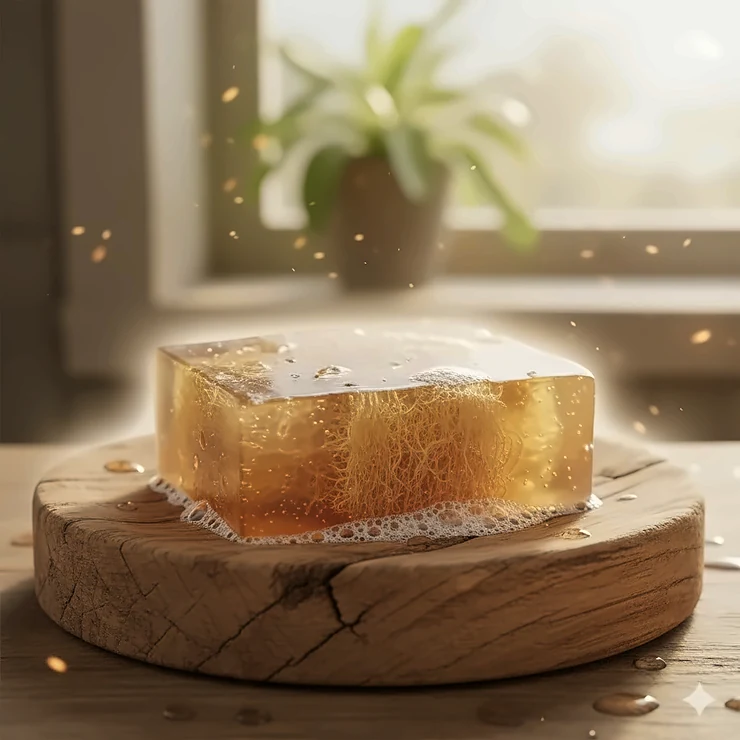
Have you ever wondered how to achieve that perfect balance of cleansing and exfoliation in a single product? Loofah soap might be the skincare revelation you’ve been searching for. This ingenious combination marries the gentle cleansing power of natural soap with the exfoliating properties of loofah sponge, creating a powerhouse product for your daily skincare routine.
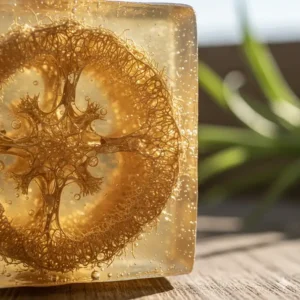
Loofah soap (sometimes spelled loofa soap or luffa soap) features actual loofah plant fibers embedded directly into soap bars. The natural loofah sponge, derived from the dried fibrous skeleton of the Luffa cylindrica plant, provides effective yet gentle exfoliation while the surrounding soap cleanses and nourishes the skin. It’s a brilliant 2-in-1 solution that eliminates the need for separate washcloths or shower puffs.
In today’s market, you’ll find numerous variations – from natural loofah soap bars enriched with essential oils to sea loofa soap containing marine ingredients for additional benefits. The exfoliating loofah bar soap category has exploded in popularity as consumers seek more natural, sustainable alternatives to plastic exfoliating tools and synthetic scrubs.
This comprehensive guide will explore everything you need to know about soap with loofah sponge – including the best products available, their unique benefits, how to use them effectively, and why they might become your new skincare essential.
Quick Comparison Table
| Brand | Product | Key Features | Main Benefits | Price Range |
|---|---|---|---|---|
| Dapoprren | Natural Loofah Soap Bar 4-Pack | Turmeric, Aloe, Rose, Coconut Milk varieties | Moisturizing, gentle exfoliation, natural ingredients | $15-$18 |
| SABUN CO. | Lemon Oil Loofah Soap | Handmade, natural essential oils, high-quality loofah | Targets dark spots, fine lines, athlete’s foot | $10-$12 |
| Honey Belle | Exfoliating Loofah Soap 3-Pack | Plant-based, eco-friendly, vegan formula | Gentle exfoliation, hydrating coconut oil base | $18-$22 |
| Amiré | Rosemary Loofah Soap | Large 8.8oz bar, dead sea salts, organic essential oils | Therapeutic benefits, intensive exfoliation | $12-$15 |
| Baudelaire | Sea Loofa Bath Soap | Triple-milled, 2% seaweed, sustainable palm oil | Luxury experience, marine benefits | $8-$10 |
| The SoapNatural | Coconut Loofah Soap | 100% herbal, eco-friendly, moisturizing | All skin types, excellent for dry skin | $8-$10 |
| Primal Elements | Lemongrass Loofah Bar | Vegetable glycerin-rich, hand-poured, real loofah | Removes dead skin while locking in moisture | $11-$13 |
💬 Just one click – help others make better buying decisions too!😊
Top 7 Loofah Soaps – Expert Analysis
1. Dapoprren Natural Loofah Soap Bar 4-Pack
Dapoprren Natural Loofah Soap Bar 4-Pack offers exceptional value with four distinct varieties in one package: Turmeric, Aloe, Rose, and Coconut Milk. Each bar contains a natural loofah inside that helps gently exfoliate dead skin cells while the soap’s moisturizing formula nourishes the skin.
The usage of real loofah (not sea sponge) is a distinguishing factor, as it provides effective yet gentle exfoliation suitable for sensitive skin types. The bars create a rich lather that cleanses effectively without drying the skin, leaving it noticeably softer and smoother with each use.
Priced between $15-$18 for the set, this collection allows you to experiment with different scents and formulations to find your favorite. Users particularly praise the turmeric variant for its skin-brightening effects and the coconut milk option for its deeply moisturizing properties.
Pros:
- Excellent value with four different varieties
- Natural ingredients with real loofah fibers
- Suitable for sensitive skin
- Long-lasting bars
Cons:
- Loofah may feel too rough for some users
- Must be kept dry between uses to extend lifespan
2. SABUN CO. Lemon Oil Loofah Soap
SABUN CO. Lemon Oil Loofah Soap stands out with its premium handcrafted quality and therapeutic benefits. This 4.4oz (125g) bar features a unique blend of over 10 high-grade natural essential oils, with lemon oil as the star ingredient.
The natural vegetable glycerin base is derived specifically from pears and apples, creating a formula that adjusts to your personal pH levels. This makes it suitable for face, body, and even hair cleansing. The embedded natural loofah effectively targets dark spots, fine lines, and even athlete’s foot according to the manufacturer.
SABUN CO.’s attention to detail extends to their production process – each soap is individually molded rather than cut from bulk slabs, resulting in a more consistent product. At $10-$12 per bar, it’s a premium option that delivers professional-grade exfoliation.
Pros:
- High-quality essential oils for aromatherapy benefits
- Versatile use for face, body, and hair
- Individually handcrafted for quality
- Free from harsh chemicals (SLES, SLS, parabens)
Cons:
- Higher price point than some competitors
- Strong citrus scent may not appeal to everyone
3. Honey Belle Exfoliating Loofah Soap 3-Pack
Honey Belle Exfoliating Loofah Soap 3-Pack embraces plant-based skincare with its vegan, eco-friendly formula. Available in various themed collections (Floral, Refresh, Relax), each pack contains three uniquely scented bars with built-in loofah sponges derived from dried gourd fibers.
The soap base features coconut oil and vegetable glycerin that cleanse effectively while keeping skin hydrated and nourished. With fewer than 12 ingredients per formula and essential oil blends at less than 2% concentrations, these bars offer a gentle yet effective cleansing experience.
What sets Honey Belle apart is their commitment to sustainability – the products are plastic-free, made with ethically sourced ingredients, and never tested on animals. The built-in loofah sponge is compostable or can be repurposed for household cleaning after the soap is used up.
Pros:
- 100% vegan and plant-based ingredients
- Light, natural fragrances ideal for sensitive users
- Eco-friendly packaging and production
- Women and minority-owned small business
Cons:
- Smaller bar size compared to some competitors
- Premium price point ($18-$22 for 3-pack)
4. Amiré Rosemary Loofah Soap
Amiré Rosemary Loofah Soap delivers a spa-like experience with its generous 8.8oz (250g) size and therapeutic formulation. Handmade in Jordan, this substantial bar combines the exfoliating power of natural loofah with organic essential oils and dead sea salts.
The rosemary essential oil provides both aromatherapeutic benefits and skin-enhancing properties, helping to refresh and revitalize during use. Meanwhile, the dead sea salt content helps hydrate, cleanse, and rejuvenate the skin by reducing roughness and promoting cell renewal.
This soap excels at targeting problem areas like dry elbows, rough heels, and dull skin patches. The substantial size makes it excellent value at $12-$15 per bar, though some users find it almost too large for comfortable handling.
Pros:
- Large, long-lasting bar
- Therapeutic-grade dead sea salt and essential oils
- Intensive exfoliation for rough skin areas
- Great gift presentation
Cons:
- Size may be unwieldy for some users
- Loofah texture can be initially quite firm
5. Baudelaire Sea Loofa Bath Soap
Baudelaire Sea Loofa Bath Soap brings luxury skincare traditions to your daily routine. This 5oz triple-milled soap incorporates 2% seaweed and sustainable palm oil, creating a premium bathing experience with marine benefits.
What distinguishes this sea loofa soap is its sophisticated manufacturing process – the triple-milling technique creates a harder, longer-lasting bar that produces a rich, creamy lather. The seaweed powder forms tiny clumps that melt more slowly than the soap itself, providing perfect gentle exfoliation as you use it.
The subtle ocean-inspired fragrance is created with 100% natural ingredients, making it suitable for scent-sensitive individuals. At $8-$10 per bar, it offers accessible luxury and has gained popularity among high-end hotels and cruise lines.
Pros:
- Luxury quality at moderate price point
- Subtle, natural fragrance
- Long-lasting triple-milled formula
- Made in USA (New England)
Cons:
- Less intensive exfoliation than some competitors
- More subtle scent may disappoint some users
6. The SoapNatural Coconut Loofah Soap
The SoapNatural Coconut Loofah Soap focuses on simplicity and effectiveness with its 100% herbal, eco-friendly formulation. This refreshing skin scrub combines exfoliating loofah with moisturizing ingredients suitable for all skin types.
The coconut oil content shows properties that nourish, moisturize and brighten the skin, while the natural loofah provides a peeling effect that helps open pores and refresh the skin. With regular use, it can contribute to the elimination of cracks and calluses, making it especially beneficial for foot care.
The glycerine soap base is prepared with fruit extracts and vegetable oils, creating a gentle yet effective cleanser. At $8-$10 per bar, it offers excellent value for a natural, handcrafted product.
Pros:
- 100% herbal ingredients
- Excellent for dry, rough skin
- Particularly effective for foot care
- Pleasant coconut aroma
Cons:
- May require a separate soap dish for proper drying
- Less elaborate packaging than premium competitors
7. Primal Elements Lemongrass Loofah Bar Soap
Primal Elements Lemongrass Loofah Bar Soap is hand-poured with a high concentration of nourishing vegetable glycerin and infused with a real natural loofah sponge. This 5oz bar delivers dual benefits – effectively removing dead skin cells while locking in essential moisture.
The lemongrass essential oil provides an invigorating, uplifting scent experience while offering natural deodorizing and anti-fungal properties. The soap’s glycerin base helps maintain hydration, leaving skin with a healthy, radiant glow rather than the tight, dry feeling that can follow exfoliation.
Primal Elements focuses on combining traditional soap-making techniques with modern innovations, creating a product that works effectively as both a daily cleanser and a weekly exfoliating treatment. Priced at $11-$13 per bar, it offers a spa-quality experience at home.
Pros:
- High glycerin content for superior moisture retention
- Invigorating lemongrass scent with therapeutic benefits
- Versatile for both daily use and deeper exfoliation
- Handcrafted in small batches
Cons:
- Lemongrass scent may be too strong for some users
- Premium price point compared to mass-produced options
✨ Don’t Miss These Exclusive Deals! Ready to transform your skincare routine with these amazing loofah soap options? Click on any highlighted product name to check current pricing and availability! 🧼✨

Benefits of Using Loofah Soap
Natural Exfoliation Without Harsh Chemicals
One of the most significant advantages of loofah soap is its ability to provide effective exfoliation without relying on synthetic microbeads or harsh chemical exfoliants. The natural loofah fibers embedded in the soap gently buff away dead skin cells through mechanical exfoliation, which is often gentler on the skin than chemical alternatives.
This natural approach is not only better for sensitive skin types but also environmentally responsible, as it eliminates the need for plastic microbeads that can harm marine ecosystems. The exfoliating action of loofah soap helps stimulate circulation, remove impurities, and create a smoother skin surface – all without introducing potentially irritating synthetic ingredients.
Deep Cleansing and Pore Refinement
The unique texture of loofah soap enables it to cleanse more deeply than regular soap alone. The natural fibers can reach into pores and remove oil, dirt, and other impurities that might otherwise remain trapped. This deep cleansing action helps prevent clogged pores, blackheads, and breakouts.
Regular use of loofah soap can help refine pore appearance over time as it removes built-up debris and encourages healthy cell turnover. Many users notice improvements in skin texture and clarity within just a few weeks of incorporating loofah soap into their routine.
Improved Product Absorption
By removing the barrier of dead skin cells on the surface, loofah soap prepares your skin to better absorb subsequent skincare products. Moisturizers, serums, and treatments can penetrate more effectively when applied to freshly exfoliated skin.
This enhanced absorption means you may get more benefit from your existing skincare products without having to use larger quantities. The exfoliation provided by loofah soap creates an optimal canvas for the rest of your skincare routine.
Sustainable Alternative to Plastic Loofahs
Traditional plastic shower puffs and synthetic loofahs contribute to plastic pollution and can harbor bacteria in bathroom environments. Natural loofah soap provides a more sustainable and hygienic alternative.
The loofah plant fibers are biodegradable and, when embedded in soap, are regularly refreshed with each use. This reduces bacterial growth concerns while providing an eco-friendly option that aligns with sustainable lifestyle choices.
Multi-Tasking Convenience
Perhaps the most practical benefit of loofah soap is its convenience as a 2-in-1 product. By combining cleansing and exfoliation in a single step, it streamlines your shower routine and eliminates the need for multiple products and tools.
This multi-tasking quality makes loofah soap particularly valuable for travelers, gym-goers, and anyone looking to simplify their skincare regimen without sacrificing results. One product replaces several others while still delivering excellent skincare benefits.
How Loofah Soap Compares to Traditional Alternatives
| Feature | Loofah Soap | Regular Soap | Body Wash with Separate Loofah | Chemical Exfoliants |
|---|---|---|---|---|
| Exfoliation | Moderate to strong built-in exfoliation | No exfoliation | Adjustable exfoliation | Chemical rather than mechanical |
| Convenience | All-in-one solution | Requires separate exfoliating tool | Requires two separate products | Often requires application time |
| Sustainability | Natural plant-based exfoliant | Variable depending on ingredients | Typically involves plastic loofah | Often contains synthetic ingredients |
| Cost Effectiveness | Initially higher cost but replaces multiple products | Lower cost but requires additional products | Higher combined cost | Variable cost, often higher |
| Bacteria Concerns | Self-cleaning with each use | No bacteria concerns | Can harbor bacteria if not dried properly | No bacteria concerns |
| Shelf Life | 4-6 weeks recommended | Several months | Soap: months; Loofah: should be replaced every 3-4 weeks | Several months to years |
| Skin Sensitivity | Mechanical exfoliation can be adjusted by pressure | Gentle on skin | Can be harsh if too much pressure applied | Can cause irritation for some skin types |
The Science Behind Natural Exfoliation
How Mechanical Exfoliation Works
Loofah soap provides what dermatologists call “mechanical” or “physical” exfoliation – the process of physically removing dead skin cells from the surface through friction. When you use loofah soap, the natural fibers create gentle friction against your skin, dislodging dead cells and stimulating the skin surface.
Unlike chemical exfoliants that dissolve the bonds between skin cells, mechanical exfoliation with loofah works immediately upon application. The intensity can be easily controlled by adjusting the pressure you apply, making it adaptable to different skin types and sensitivity levels.
The Skin Renewal Cycle
Understanding your skin’s natural renewal cycle helps explain why regular exfoliation with products like loofah soap is beneficial. Your skin completely renews itself approximately every 28 days (though this slows with age). During this cycle, new cells form in the deepest layer of the epidermis and gradually move upward until they reach the surface as dead cells ready to be shed.
Sometimes this natural shedding process becomes inefficient, leading to buildup that can cause dullness, rough texture, and other skin concerns. Loofah soap helps support your skin’s natural renewal by removing these cells more efficiently, potentially helping to normalize and optimize the renewal cycle.
Balancing Exfoliation and Moisture
One common concern with exfoliation is the potential for dryness or irritation. This is where loofah soap offers a unique advantage – it combines exfoliation with moisturizing soap ingredients in a single step. The soap component helps offset any drying effect of the exfoliation process.
Most quality loofah soaps contain additional moisturizing ingredients like glycerin, coconut oil, or shea butter that help maintain skin’s hydration balance while removing dead cells. This integrated approach helps minimize the risk of over-exfoliation that can occur when using separate cleansing and exfoliating products.
How to Choose the Best Loofah Soap for Your Skin Type
For Sensitive Skin
If you have sensitive skin, look for loofah soaps with:
- Minimal, natural ingredients lists
- Soothing components like aloe vera or chamomile
- Fragrance-free or essential oil-free formulations
- Finer, softer loofah texture
Good options include Honey Belle’s gentler varieties or The SoapNatural’s Coconut Loofah Soap, which features a milder exfoliation level suitable for reactive skin.
For Dry Skin
Dry skin benefits most from loofah soaps that contain:
- Rich moisturizing ingredients like shea butter or coconut oil
- Glycerin-rich formulations that attract and seal in moisture
- Mild exfoliation that won’t further dry out skin
- Nourishing oils like jojoba or avocado
Consider Dapoprren’s Coconut Milk variety or SABUN CO.’s Shea Butter options, which provide gentle exfoliation while delivering substantial hydration.
For Oily or Acne-Prone Skin
Those with oily or acne-prone skin should look for:
- Tea tree oil or other natural antibacterial ingredients
- Charcoal or clay components that help absorb excess oil
- Slightly firmer loofah texture for more thorough exfoliation
- Oil-balancing ingredients like witch hazel
Honey Belle’s Charcoal Bamboo Exfoliating Loofah Soap or SABUN CO.’s Activated Charcoal Loofah Soap work well for managing excess oil while keeping skin clear.
For Mature Skin
Mature skin can benefit from loofah soaps featuring:
- Anti-aging ingredients like vitamin E or rosehip oil
- Gentle exfoliation to avoid stressing delicate skin
- Collagen-supporting components
- Extra moisturizing properties
Amiré’s Rosemary Loofah Soap with dead sea minerals or SABUN CO.’s Donkey Milk & Honey formula provide age-appropriate exfoliation with nourishing benefits.
How to Use Loofah Soap Effectively
Step-by-Step Usage Guide
- Wet the soap and your skin: Start with warm (not hot) water to soften both the soap and your skin, making exfoliation more effective and gentle.
- Apply with gentle circular motions: Use light to moderate pressure and small circular movements rather than harsh scrubbing. Let the loofah do the work without applying excessive force.
- Focus on rough areas: Pay special attention to areas prone to dryness or roughness such as elbows, knees, heels, and upper arms, but be gentler on more delicate areas like the face and décolletage.
- Rinse thoroughly: Ensure all soap residue is completely rinsed away to prevent irritation or clogged pores.
- Pat skin dry: Avoid rough toweling after exfoliation – instead, gently pat your skin dry to maintain the benefits of your loofah soap treatment.
- Follow with moisturizer: Apply moisturizer while skin is still slightly damp to lock in hydration and protect newly revealed skin cells.
Frequency Recommendations
- Normal to oily skin: Can typically use loofah soap 3-4 times per week
- Dry or sensitive skin: Limit use to 1-2 times per week
- Mature skin: 2-3 times weekly, being careful not to over-exfoliate
- Face application: Most loofah soaps should be used no more than 1-2 times weekly on facial skin, if at all
Maintaining Your Loofah Soap
To maximize the lifespan and hygiene of your loofah soap:
- Store in a well-draining soap dish to allow complete drying between uses
- Keep away from direct water spray when not in use
- Replace approximately every 4-6 weeks (or when the loofah begins to break down)
- Avoid sharing your loofah soap with others to prevent bacterial transfer
- Consider cutting larger bars in half to extend usage time
DIY Loofah Soap: Is It Worth Making Your Own?
Basic Recipe and Instructions
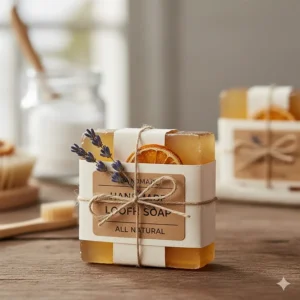
Making your own loofah soap at home is relatively straightforward with the right ingredients:
Basic Ingredients:
- Melt-and-pour soap base (glycerin, goat’s milk, or shea butter varieties work well)
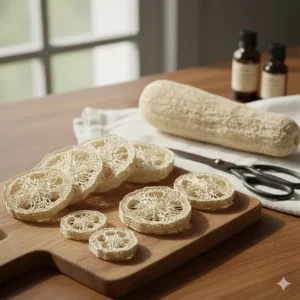
- Natural dried loofah sponge, sliced into thin rounds
- Essential oils of choice (optional)
- Natural colorants if desired
- Soap molds
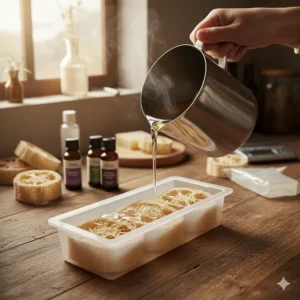
Simple Process:
- Slice loofah into rounds approximately 1/2 inch thick
- Place loofah slices into soap molds
- Melt soap base according to package directions
- Add essential oils and colorants if desired
- Pour melted soap over loofah slices in molds
- Allow to cool and harden completely
- Remove from molds and cure for 24 hours before using
Pros and Cons of DIY vs. Store-Bought
DIY Advantages:
- Complete control over ingredients
- Ability to customize scents and properties
- Potentially more economical for multiple bars
- Enjoyable craft experience
- Can make thoughtful handmade gifts
DIY Challenges:
- Requires initial investment in supplies
- May not achieve the same professional finish
- Time-intensive compared to purchasing
- Results can be inconsistent without experience
- Shorter shelf life without proper preservatives
For most people, store-bought loofah soaps offer better value and consistency unless you’re particularly interested in the crafting aspect or have specific ingredient sensitivities that make custom formulation necessary.
Beyond the Bathroom: Creative Uses for Loofah Soap
Kitchen Hand Cleansing
Loofah soap excels at removing food odors, stains, and residues from hands after cooking. The natural exfoliation helps eliminate stubborn smells like garlic and onion while removing food coloring or other cooking stains. Keep a bar near your kitchen sink for post-cooking cleanup.
Gardener’s Friend
For gardeners, loofah soap is invaluable for cleaning soil-stained hands and removing ground-in dirt from under fingernails. The exfoliating action works much more effectively than regular soap at addressing the specific cleaning challenges gardeners face.
Pre-Manicure Preparation
Professional and at-home nail technicians appreciate loofah soap for preparing hands and feet before manicures and pedicures. The gentle exfoliation creates a smooth canvas for nail treatments and helps extend the life of your manicure by eliminating rough edges where polish might chip.
Travel Companion
When traveling, loofah soap serves as an efficient multi-tasker that reduces the number of products you need to pack. One bar replaces separate body wash, exfoliant, and potentially even facial cleanser depending on your skin’s sensitivity.
Expert Opinions on Loofah Soap
According to dermatologists, mechanical exfoliation with natural tools like loofah can be beneficial when used appropriately. Dr. Maria Powell, a board-certified dermatologist, notes: “Natural exfoliation with loofah can improve skin texture and appearance when used in moderation. The key is not to overdo it – 2-3 times weekly is sufficient for most skin types.”
Skincare experts emphasize that loofah soap combines two essential skincare steps efficiently. Cosmetic chemist Dr. Robert Johnson explains: “The benefit of having exfoliation and cleansing in one product is that the cleansing agents help the loofah glide more smoothly across the skin, potentially reducing irritation compared to using a dry loofah separately.”
Sustainability advocates highlight the environmental benefits of switching from plastic bath accessories to natural alternatives like loofah soap. Environmental scientist Sarah Chen points out: “Natural loofah is biodegradable and derived from renewable plant sources, making it a more eco-conscious choice than synthetic scrubbers or microbeads found in some exfoliating products.”
Addressing Common Questions About Loofah Soap
Is Loofah Soap Suitable for Facial Use?
While some loofah soaps can be used on the face, many dermatologists recommend caution. The skin on your face is generally more sensitive than body skin and may react negatively to the level of exfoliation loofah provides. If you do use loofah soap on your face:
- Choose products specifically formulated for facial use
- Use with extremely gentle pressure
- Limit to once weekly maximum
- Discontinue if you notice any irritation or redness
Many skincare experts suggest using separate, gentler exfoliants specifically designed for facial care rather than all-purpose loofah soaps.
How Does Loofah Soap Help with Keratosis Pilaris?
Keratosis pilaris – those small, rough bumps often found on upper arms and thighs – results from keratin buildup that plugs hair follicles. Regular, gentle use of loofah soap can help manage this common condition by:
- Removing excess keratin buildup on the skin surface
- Preventing follicle blockage through regular exfoliation
- Improving moisturizer penetration into affected areas
- Stimulating skin renewal in problem spots
For best results, use loofah soap on affected areas 2-3 times weekly, followed immediately by a rich moisturizer containing urea, lactic acid, or alpha hydroxy acids to further dissolve keratin deposits.
Can Loofah Soap Prevent Ingrown Hairs?
Yes, loofah soap can be an effective tool for preventing ingrown hairs when used correctly. Regular exfoliation with loofah soap helps by:
- Removing dead skin that can trap hairs beneath the surface
- Clearing away cells that might obstruct hair follicles
- Lifting existing ingrown hairs to the surface
- Creating smoother skin that allows hairs to grow outward properly
For best results, use loofah soap to gently exfoliate 24-48 hours after hair removal rather than immediately after, when skin might be more sensitive. Focus on problem areas with gentle circular motions.
How Long Does a Loofah Soap Bar Typically Last?
The lifespan of loofah soap varies based on several factors:
- Size of the bar (larger bars like Amiré’s 8.8oz option last longer)
- Frequency of use (daily vs. occasional)
- Storage conditions (well-drained vs. sitting in water)
- Quality of ingredients (triple-milled soaps last longer than glycerin-based)
- Manufacturing process (handmade vs. mass-produced)
On average, most loofah soap bars last approximately 3-6 weeks with regular use. For hygienic reasons, manufacturers typically recommend replacing loofah soap after 4-6 weeks regardless of how much soap remains, as the loofah component may begin to break down or harbor bacteria beyond this timeframe.
The Environmental Impact of Loofah Soap
Sustainability Credentials
Loofah soap offers several environmental advantages over conventional bath products:
- Natural loofah is biodegradable and compostable
- Growing loofah plants requires minimal resources compared to plastic production
- Loofah cultivation can be sustainable and regenerative when properly managed
- Many loofah soap brands use minimal, recyclable packaging
- Combined product eliminates need for separate plastic bath accessories
The loofah plant itself (Luffa cylindrica) grows readily in many climates, requires relatively little water once established, and can produce multiple sponges per plant, making it an efficient renewable resource.
Reducing Bathroom Plastic Waste
The average bathroom contains numerous plastic items that could be eliminated with alternatives like loofah soap. By replacing plastic shower puffs, exfoliating scrub containers, and body wash bottles with a single loofah soap product, consumers can significantly reduce their personal plastic footprint.
A 2023 environmental study found that the average American discards approximately 8 plastic bath accessories annually. Switching to biodegradable alternatives like loofah soap could prevent millions of plastic items from entering landfills and waterways each year.

Innovations in Loofah Soap Technology
Specialized Formulations
The loofah soap market has evolved beyond basic recipes to include specialized formulations targeting specific skin concerns:
- Charcoal-infused loofah soaps for deeper detoxification and oil control
- CBD-enhanced varieties for anti-inflammatory benefits and relaxation
- Probiotic-containing bars that support healthy skin microbiome
- Targeted formulations for conditions like bacne (back acne), keratosis pilaris, and eczema
These innovations combine the mechanical exfoliation of loofah with active ingredients that address particular skin needs, expanding the therapeutic potential of these products.
Improved Manufacturing Techniques
Advances in soap-making technology have enhanced loofah soap quality and performance:
- Cold-processing techniques that better preserve natural ingredients
- Precision loofah cutting for consistent texture throughout the bar
- Extended curing methods that create longer-lasting, harder bars
- Improved integration of loofah and soap for better structural integrity
- Biodegradable packaging innovations that align with the product’s eco-friendly nature
These manufacturing improvements have resulted in higher-quality products with better performance and longer usable lifespans.
Seasonal Considerations for Loofah Soap Use
Winter Skincare Adaptation
During colder months, skin tends to become drier and more sensitive due to harsh weather and indoor heating. To adapt your loofah soap usage for winter:
- Reduce frequency to avoid over-exfoliation of already stressed skin
- Choose formulations with extra moisturizing ingredients
- Focus more on body areas and less on face during winter months
- Follow immediately with richer moisturizers than you might use in summer
- Consider alternatives like “gentle” or “sensitive” loofah soap variants
Many users find alternating between loofah soap and regular moisturizing soap during winter helps maintain exfoliation benefits without compromising skin’s protective barrier.
Summer Benefits
Loofah soap becomes particularly valuable during warmer months when:
- Increased sweating can lead to more clogged pores
- Sunscreen application and removal benefit from deeper cleansing
- Self-tanner application looks more even on exfoliated skin
- Increased exposure of arms and legs makes smooth skin more desirable
- Higher humidity levels mean skin can generally tolerate more frequent exfoliation
During summer, you can typically increase usage frequency by 1-2 times weekly compared to your winter routine, particularly focusing on areas prone to congestion or uneven texture.
Loofah Soap in Professional Settings
Spa Treatments
Loofah soap has found a place in professional spa settings where its dual-action properties enhance traditional treatments:
- Used in preparation for body wraps to ensure optimal product absorption
- Incorporated into hydrotherapy routines for enhanced circulation benefits
- Featured in specialty pedicure protocols for effective callus management
- Utilized in pre-massage exfoliation to improve the effectiveness of massage oils
Luxury spas often create custom loofah soap blends with signature essential oil combinations that become part of their branded experience. The Mandarin Oriental hotel chain, for example, offers exclusive citrus-infused loofah treatments as part of their signature spa packages.
Therapeutic Applications
Beyond beauty treatments, loofah soap has therapeutic applications in certain clinical settings:
- Physical therapy practices use loofah soap to improve circulation in rehabilitation protocols
- Occupational therapists recommend loofah soap for patients with limited grip strength or dexterity
- Dermatology clinics integrate specialized loofah soap in treatment regimens for specific skin conditions
- Athletic trainers incorporate loofah soap in post-workout cleansing routines for muscle recovery
The mechanical stimulation provided by loofah soap can complement other therapeutic modalities when properly integrated into treatment plans under professional guidance.
Global Traditions and Loofah Use
Cultural Significance
The use of loofah for skincare has deep roots in many cultural traditions:
- In Japan, loofahs have been part of bathing rituals for centuries, representing purification
- Mediterranean cultures traditionally used loofah for hammam bathing ceremonies
- In parts of Southeast Asia, growing and preparing loofah is considered an important household skill
- Caribbean traditions incorporate loofah in cleansing rituals believed to wash away negative energy
These cultural practices have influenced modern loofah soap formulations, with many brands drawing inspiration from traditional ingredients and preparation methods associated with different regions.
Regional Variations
Loofah soap formulations vary significantly across regions, reflecting local ingredients and skincare priorities:
- Mediterranean versions often feature olive oil and sea minerals
- Asian formulations frequently incorporate rice bran or green tea components
- Caribbean varieties may include tropical fruit enzymes and volcanic minerals
- North American and European blends tend to emphasize essential oil aromatherapy benefits
These regional differences offer consumers a wide range of options with diverse skincare benefits derived from local botanical traditions.
Gifting Loofah Soap: Presentation Ideas
Loofah soap makes an excellent gift, particularly when thoughtfully presented:
- Bundle several varieties with a natural wooden soap dish for a complete gift set
- Pair with a soft organic washcloth and moisturizer for a coordinated skincare package
- Present in a decorative soap bag with dried flowers or herbs for aesthetic appeal
- Include as part of a self-care basket with other bath accessories and candles
- Wrap in sustainable materials like kraft paper or fabric with dried lavender sprigs
Many manufacturers offer gift-ready packaging for their loofah soaps, particularly around holidays. SABUN CO. and Honey Belle both provide gift-ready options with minimal additional packaging required.

FAQ: Your Loofah Soap Questions Answered
❓ What is the difference between loofah soap and regular exfoliating soap?
❓ How often should I replace my loofah soap bar?
❓ Can loofah soap help with back acne (bacne)?
❓ Is natural loofah soap better than synthetic exfoliating products?
❓ Can I use loofah soap if I have eczema or psoriasis?
Conclusion
Loofah soap represents an ingenious marriage of cleansing and exfoliation, offering numerous benefits in a single, convenient product. From improving skin texture and enhancing circulation to reducing environmental impact through sustainable materials, these multifunctional bars deserve consideration in any skincare routine.
The variety of formulations available ensures there’s a loofah soap option suitable for nearly every skin type and concern. Whether you’re drawn to the aromatherapeutic properties of essential oil-infused varieties, the intensive exfoliation of larger bars with pronounced texture, or the gentle daily maintenance provided by glycerin-based options, the perfect loofah soap awaits your discovery.
As with any skincare product, the key to success lies in proper usage and realistic expectations. When used appropriately – with attention to frequency, pressure, and aftercare – loofah soap can transform your skin’s appearance and feel while simplifying your routine. By replacing multiple products with one thoughtfully formulated bar, you’ll save time, reduce waste, and potentially improve your skincare results.
Embrace the ancient wisdom of natural exfoliation combined with modern soap technology, and experience the difference that loofah soap can make in your daily self-care ritual. Your skin – and the environment – will thank you.
Recommended for You
- Baudelaire Bar Soap Sea Loofa 5 oz: 7 Best Picks Reviewed
- Sea Salt Soap: 7 Best Mineral Cleansers for Glowing Skin 2025
- 7 Best Pumice Soaps in 2025: Transform Your Feet Today
Disclaimer: This article contains affiliate links. If you purchase products through these links, we may earn a small commission at no additional cost to you.
✨ Found this helpful? Share it with your friends! 💬🤗
