
In This Article
You’re standing at your kitchen sink, staring at the pile of dishes from dinner, and wondering if your dish soap is doing more harm than good. I get it—I used to grab whatever was on sale until I realized my hands were dry and cracked, and I started questioning what was actually going down the drain into our water systems.
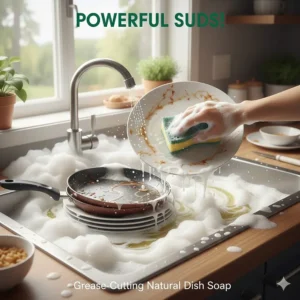
The best natural dish soap transforms your dishwashing routine from a chemical-laden chore into an eco conscious choice that’s gentler on your skin and kinder to the planet. These plant based formulas prove you don’t need harsh synthetic ingredients to tackle greasy pans and stuck-on food. In fact, many natural options outperform conventional brands while being biodegradable and safe for sensitive skin.
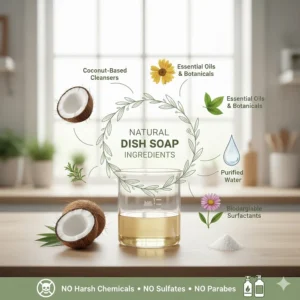
What makes a dish soap truly natural? We’re talking about formulas crafted from plant derived surfactants like coconut and corn-based cleaners rather than petroleum derivatives. They skip the sulfates (SLS, SLES), synthetic fragrances, parabens, phthalates, and other questionable ingredients that conventional brands sneak into their bottles. According to the EPA’s Safer Choice program, truly safer cleaning products use ingredients that biodegrade quickly to non-polluting compounds and protect aquatic life.
In this comprehensive guide, I’ll walk you through seven exceptional natural dish soap options that actually work, compare their features side-by-side, and help you choose the perfect one for your kitchen. Whether you’re dealing with hard water, have sensitive skin, or simply want to reduce your environmental footprint, there’s a sustainable cleaning product here that’ll make your dishes sparkle.
Quick Comparison Table
| Product | Size | Price Range | Key Feature | Best For |
|---|---|---|---|---|
| Puracy Natural Dish Soap | 16 fl oz | $8-10 | Hypoallergenic, baby-safe | Families with young children |
| Seventh Generation Free & Clear | 19 fl oz | $3-4 | Unscented, budget-friendly | Sensitive skin, budget shoppers |
| Mrs. Meyer’s Clean Day | 16 fl oz | $4-5 | 10+ garden scents | Aromatherapy lovers |
| Better Life Dish Soap | 22 fl oz | $5-7 | Vitamin E & Aloe enriched | Hand care enthusiasts |
| ECOS Dishmate | 25 fl oz | $4-6 | EPA Safer Choice certified | Eco-conscious households |
| Natural Flower Power | 16 fl oz | $6-8 | 100% essential oils | Chemical-sensitive users |
| ATTITUDE Dish Soap | 23.7 fl oz | $5-7 | EWG Verified | Canadian shoppers, bulk buyers |
💬 Just one click – help others make better buying decisions too!😊
✨ Don’t Miss These Exclusive Deals!
🔍 Take your dishwashing routine to the next level with these carefully selected products. Click on any highlighted item to check current pricing and availability. These plant based formulas will help you create authentic clean results your family will love!
Top 7 Best Natural Dish Soap: Expert Analysis
1. Puracy Natural Dish Soap
Puracy has earned its reputation as a premium option in the organic dish soap category, and for good reason. This Fresh Citrus formula combines mineral and plant-based ingredients that cut through grease like nobody’s business while remaining gentle enough for baby bottles.
Key Specifications:
- Plant-based surfactants from coconut
- Free from sulfates, triclosan, parabens, petrochemicals
- pH-balanced formula
- 16 fl oz bottle
Price: $8-10 per bottle
The formula’s grease-busting power comes from carefully selected plant-derived cleaning agents that work even in hard water, leaving dishes spot-free without any residue. What sets Puracy apart is their team of PhDs and chemists who formulate every product with families in mind—no harsh chemicals that dry out or irritate sensitive skin.
Customer feedback consistently praises how quickly this biodegradable dish soap rinses clean, with many noting they need less product per wash compared to conventional brands. Parents especially appreciate the baby-safe formulation that gives them peace of mind when washing bottles and sippy cups.
✅ Pros:
- Expert-formulated by chemists and PhDs
- Naturally softens skin during use
- Works exceptionally well in hard water
- Safe for baby items
❌ Cons:
- Higher price point than budget options
- Citrus scent may not appeal to everyone
Best For: Families prioritizing safety and performance willing to invest in premium quality.
2. Seventh Generation Free & Clear
If you’re hunting for the best natural dish soap that won’t break the bank, Seventh Generation Free & Clear deserves serious consideration. This unscented powerhouse delivers professional-level cleaning at a fraction of the cost of premium brands.
Key Specifications:
- 95% bio-based ingredients
- No dyes, synthetic fragrances, or optical brighteners
- Hypoallergenic formula
- 19 fl oz bottle
Price: $3-4 per bottle
What makes Seventh Generation remarkable is how it competes head-to-head with conventional brands in grease-cutting tests while maintaining its eco-friendly credentials. The formula uses plant-derived surfactants that create rich suds and tackle stuck-on food effectively.
Users with chemical sensitivities report this as one of the few dish soaps they can use without triggering reactions. The Free & Clear line is specifically designed for those who react to fragrances, though some note the base formula has a subtle sweet scent from the ingredients themselves.
✅ Pros:
- Exceptional value for money ($0.16-0.21 per fluid ounce)
- Works as well as conventional brands
- No animal testing (Leaping Bunny certified)
- Widely available at major retailers
❌ Cons:
- Contains SLS (though plant-derived)
- Uses isothiazolinone preservatives
Best For: Budget-conscious shoppers seeking effective plant based dish soap without compromising performance.
3. Mrs. Meyer’s Clean Day Liquid Dish Soap
Mrs. Meyer’s turned dishwashing into an aromatherapy experience with their garden-inspired scents. The Lemon Verbena variety is particularly beloved, offering a refreshingly mild citrus aroma that makes tackling dishes almost enjoyable.
Key Specifications:
- 97% naturally derived formula
- Essential oils and plant extracts
- Biodegradable cleaning agents
- Available in 10+ scents
- 16 fl oz bottle
Price: $4-5 per bottle
This cruelty free dish soap contains plant-derived cleaning agents including sodium lauryl sulfate (from plants), lauryl glucoside, and lauramine oxide that effectively dissolve grease. The formula incorporates aloe vera leaf extract and essential oils, creating a product that cleans thoroughly while feeling less harsh than industrial cleaners.
Real customer experiences highlight the impressive scent variety—from Basil to Honeysuckle to Iowa Pine—allowing you to match your dish soap to your mood or season. The biodegradable formula means you’re not sending harsh chemicals down the drain into aquatic ecosystems.
✅ Pros:
- Extensive scent selection (10+ options)
- Pleasant, natural fragrances
- Leaping Bunny certified (cruelty-free)
- Excellent grease-cutting power
❌ Cons:
- Contains some synthetic fragrance components
- Slightly more expensive than basic options
Best For: Those who want effective cleaning with delightful, garden-inspired scents.
4. Better Life Dish Soap
Better Life Dish Soap earns its name by putting skin health first without sacrificing cleaning power. Enriched with vitamin E and aloe, this sulfate-free formula actually moisturizes your hands while you wash dishes—no gloves required.
Key Specifications:
- Vitamin E and aloe enriched
- Sulfate-free (no SLS or SLES)
- Plant-based from coconut and corn
- Available in Lemon Mint and Unscented
- 22 fl oz bottle
Price: $5-7 per bottle
The larger 22-ounce size offers excellent value, and the formula’s coconut and corn-derived surfactants create an environmentally safe cleaning experience. Better Life specifically designed this as a “no gloves required” solution for people whose hands suffer from conventional dish soaps.
Customer testimonials consistently mention how their hands feel softer after washing dishes, a rare claim for any dish soap. The formula rinses cleanly without residue, and users report it performs admirably on tough, greasy cookware.
✅ Pros:
- Actually moisturizes hands during use
- Larger bottle size (22 oz)
- Made in the USA
- Septic-safe formulation
❌ Cons:
- May require slightly more product for very greasy dishes
- Limited scent options
Best For: Anyone with dry or sensitive skin who needs a gentle yet effective green cleaning alternative.
5. ECOS Dishmate Dish Soap
ECOS Dishmate represents one of the most environmentally committed brands in the sustainable cleaning products category. Their carbon-neutral manufacturing facilities and EPA Safer Choice certification demonstrate serious dedication to planetary health.
Key Specifications:
- EPA Safer Choice certified
- Manufactured in carbon-neutral facilities
- Plant-derived surfactants
- Available scented and fragrance-free
- 25 fl oz bottle
Price: $4-6 per bottle
What distinguishes ECOS is their holistic approach—they achieved carbon neutrality in their manufacturing plants and water neutrality by 2016. The company has been family-owned since 1967, giving them decades of expertise in creating effective plant-based cleaners.
The formula uses sodium coco-sulfate, cocamidopropylamine oxide, and lauramine oxide as surfactants, with phenoxyethanol as a preservative instead of the controversial isothiazolinones. While it may require slightly more product than conventional brands for extremely greasy dishes, it delivers solid performance for everyday use.
✅ Pros:
- Strong environmental credentials
- Larger bottle size provides good value
- Works well for most dishwashing needs
- Leaping Bunny certified
❌ Cons:
- Not quite as powerful on heavy grease as Seventh Generation
- Fragrance ingredients not fully disclosed
Best For: Eco-conscious consumers who prioritize sustainable manufacturing practices.

6. Natural Flower Power Liquid Dish Soap
Natural Flower Power stands out as a family-owned American manufacturer that’s been producing quality natural products since 2012. Their dish soap uses 100% pure essential oils rather than synthetic fragrances, making it ideal for those with chemical sensitivities.
Key Specifications:
- 100% vegan and cruelty-free
- Scented exclusively with essential oils
- Super concentrated formula
- Available in 5 scents plus unscented
- 16 fl oz bottle with flip-top lid
Price: $6-8 per bottle (3-pack often available)
The concentrated formula means a small squeeze creates rich suds that tackle kitchen messes from greasy pans to everyday dishware. The essential oil options—Lavender, Lemongrass, Peppermint & Lemon, Citrus & Spice, and Free & Clear—offer authentic aromatherapy benefits without synthetic chemical exposure.
Made entirely in the USA with in-house manufacturing, quality control, and distribution, Natural Flower Power maintains complete oversight of their production process. The pH-balanced formula is sulfate-free and specifically designed to be gentler on both your hands and the environment.
✅ Pros:
- Truly concentrated (small amount goes far)
- Authentic essential oil scents
- Family-owned with American manufacturing
- Refillable with 66 oz pouches available
❌ Cons:
- Higher price per ounce
- Less widely available than major brands
Best For: Chemical-sensitive individuals seeking genuine essential oil formulations.
7. ATTITUDE Dish Soap
ATTITUDE brings Canadian quality to the eco friendly dish soap market with their EWG Verified formulas. Available in multiple scents and sizes, including massive 67-135 oz bulk refill cartons, ATTITUDE makes sustainable choices economical for large families.
Key Specifications:
- EWG Verified formulation
- Plant and mineral-based ingredients
- Available in aluminum pump bottles or plastic squeeze bottles
- Multiple size options including bulk refills
- 23.7 fl oz standard size
Price: $5-7 per bottle
The EWG Verified designation means every ingredient has been screened against the Environmental Working Group’s strict database of chemicals. ATTITUDE offers specialty versions like their baby bottle wash formula, all using the same core plant-based cleaning technology.
Canadian consumers especially appreciate this homegrown brand with its straightforward shipping and availability. The variety of packaging options—from sleek aluminum pump bottles to practical bulk refill cartons—makes it easy to find a format that works for your kitchen setup.
✅ Pros:
- EWG Verified for ingredient safety
- Excellent bulk refill options
- Works well on stuck-on food and grease
- Multiple scent and packaging choices
❌ Cons:
- May be harder to find outside Canada
- Some formulations use natural fragrance (not fully disclosed)
Best For: Families who buy in bulk and want EWG-verified safety credentials.
What Makes a Dish Soap Truly Natural?
The term “natural” gets thrown around carelessly in marketing, but genuinely natural dish soaps meet specific criteria that separate them from greenwashed imposters. Understanding these distinctions helps you make informed choices about what you’re putting on your dishes—and ultimately into your body and environment.
Plant-Derived Surfactants
The cleaning power in any dish soap comes from surfactants—molecules that reduce water’s surface tension, allowing it to mix with oils and lift away grease. Traditional dish soaps rely on petroleum-based surfactants, but natural alternatives use plant-derived options from sources like coconut, corn, and sugar beets.
According to research published by the NIH, plant-based surfactants offer significant environmental advantages including higher biodegradability and lower aquatic toxicity compared to petroleum-derived alternatives. With over 15 million tons of surfactants used globally each year and approximately 60% ending up in aquatic environments, choosing biodegradable options makes a measurable impact.
Common plant-based surfactants include:
- Sodium coco-sulfate (from coconut)
- Lauryl glucoside (from coconut and sugar)
- Cocamidopropyl betaine (from coconut oil)
- Alkyl polyglucosides (from glucose and fatty alcohols)
Free From Harmful Chemicals
Genuinely natural dish soaps avoid a laundry list of concerning ingredients found in conventional brands. The Environmental Working Group gave conventional dish soap Dawn Ultra a D rating for its ingredients—proof that brand recognition doesn’t equal safety.
Ingredients to avoid include:
- Sulfates (SLS, SLES): Harsh detergents that strip skin oils and can irritate eyes and respiratory systems
- Synthetic fragrances: Often contain phthalates and other hormone disruptors
- Triclosan: An antimicrobial linked to antibiotic resistance and hormone disruption
- Phosphates: Contribute to algae blooms and water pollution
- Parabens: Preservatives with potential hormone-disrupting effects
- 1,4-dioxane: A carcinogenic byproduct of ethoxylated ingredients
- Methylisothiazolinone: A preservative associated with allergic reactions and potential neurotoxicity
Third-Party Certifications
Look for legitimate third-party certifications rather than self-proclaimed “natural” labels. Trustworthy certifications include:
EPA Safer Choice: Products meeting stringent safety criteria for both human health and environmental impact. According to EPA standards, certified products use the safest possible ingredients within each functional class.
EWG Verified: Every ingredient screened against the Environmental Working Group’s database of over 80,000 chemicals.
Leaping Bunny: Certified cruelty-free with no animal testing at any production stage.
MADE SAFE: Non-profit certification screening for 6,500+ known toxins.
ECOCERT: European organic and ecological certification for cleaning products.
Benefits of Switching to Natural Dish Soap
Making the transition from conventional to natural dish soap delivers benefits that extend far beyond just cleaner dishes. These advantages impact your health, home environment, and the broader ecosystem in measurable ways.
Healthier for Your Skin
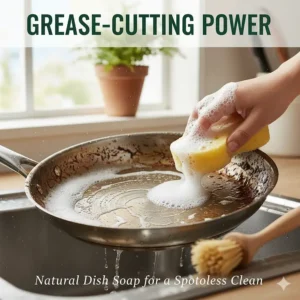
Your hands spend significant time submerged in dishwater, making them highly susceptible to whatever chemicals lurk in your soap. Conventional dish soaps containing harsh sulfates strip away your skin’s natural protective oils, leading to dryness, cracking, and irritation.
Plant based formulas work differently. They clean effectively while maintaining your skin’s natural moisture barrier. Many natural options include nourishing ingredients like aloe vera, vitamin E, and glycerin that actually moisturize as you wash. Users consistently report softer hands and reduced need for hand lotion after switching to natural alternatives.
For those with eczema, psoriasis, or sensitive skin conditions, eliminating synthetic fragrances and harsh chemicals often provides dramatic relief. The hypoallergenic formulations minimize allergic reactions and skin flare-ups.
Safer for Families and Pets
When you wash dishes, trace amounts of soap inevitably remain even after rinsing. These residues transfer to your food during the next meal, meaning whatever’s in your dish soap potentially ends up in your body. This concern amplifies when washing baby bottles, sippy cups, and pet bowls.
Natural dish soaps eliminate worry about residual chemicals. Plant-derived ingredients break down safely in your body, unlike synthetic chemicals that can accumulate over time. Parents appreciate knowing their children’s bottles are truly clean—not just visibly clean but chemically safe.
Pets who drink from washed bowls and children who put everything in their mouths benefit most from this chemical-free approach. The absence of toxic residues means one less source of chemical exposure in your home.
Environmental Protection
Every drop of dish soap eventually travels from your sink through pipes into water treatment facilities or septic systems, then into rivers, lakes, and oceans. Traditional dish soaps containing slow-degrading chemicals and toxic compounds harm aquatic ecosystems long after they leave your kitchen.
The EPA’s guidelines on greener cleaning products emphasize how biodegradable formulas reduce environmental impact. Plant-based surfactants break down quickly into harmless compounds that don’t accumulate in water systems or harm aquatic life.
Choosing biodegradable options means you’re not contributing to:
- Algae blooms caused by phosphates
- Hormone disruption in fish from endocrine disruptors
- Bioaccumulation of persistent chemicals in marine food chains
- Oxygen depletion from slow-biodegrading surfactants
Better Indoor Air Quality
Synthetic fragrances in conventional dish soaps release volatile organic compounds (VOCs) into your kitchen air. These airborne chemicals can trigger headaches, respiratory irritation, and allergic reactions, particularly in enclosed spaces.
Natural dish soaps scented with essential oils or left fragrance-free maintain healthier indoor air quality. You avoid breathing chemical cocktails while doing a routine household chore. Many users report fewer headaches and respiratory issues after eliminating synthetic-fragranced products from their homes.
Natural Dish Soap vs Traditional Alternatives
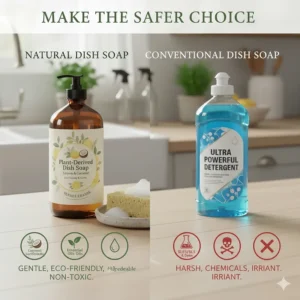
| Feature | Natural Dish Soap | Traditional Dish Soap |
|---|---|---|
| Surfactant Source | Plant-derived (coconut, corn, sugar) | Petroleum-based synthetic chemicals |
| Biodegradability | Rapidly biodegrades to non-toxic compounds | Slow biodegradation, often to toxic products |
| Skin Impact | Gentle, often moisturizing | Harsh, strips natural oils, causes dryness |
| Fragrance | Essential oils or fragrance-free | Synthetic fragrances with phthalates |
| Aquatic Toxicity | Low to minimal impact | Can harm fish and aquatic organisms |
| Price Per Bottle | $4-10 (varies by brand) | $2-5 (varies by brand) |
| Cleaning Power | Excellent for regular use, good for heavy grease | Powerful on all grease levels |
| Chemical Exposure | Minimal—plant-based ingredients | Potentially harmful synthetics |
How to Choose the Best Natural Dish Soap for Your Needs
Selecting the right natural dish soap involves more than grabbing the first “green” bottle you see. Consider these factors to find your perfect match.
Consider Your Water Type
Hard water contains high mineral content that interferes with soap performance, creating soap scum and requiring more product. If you have hard water, look for formulas specifically designed to work in mineral-rich conditions. Puracy and Better Life both perform well in hard water, while some budget options struggle.
Soft water allows soaps to lather more easily, meaning you’ll use less product per wash. Most natural dish soaps excel in soft water conditions.
Assess Your Grease Level
Light cooking with minimal oil? Almost any natural dish soap will handle your needs beautifully. Seventh Generation and ECOS work wonderfully for everyday dishwashing.
Heavy grease from frying, roasting, or cooking with lots of butter? You’ll want stronger formulas like Mrs. Meyer’s or Puracy that contain more powerful plant-based surfactants designed to cut through tough grease.
Fragrance Preferences
Love aromatherapy? Mrs. Meyer’s offers the widest scent selection with garden-inspired options that make dishwashing more pleasant.
Prefer unscented? Seventh Generation Free & Clear, Better Life Unscented, and Natural Flower Power’s Free & Clear option eliminate fragrance entirely.
Want authentic essential oils? Natural Flower Power and CAPRI ESSENTIALS use only pure essential oils rather than fragrance blends.
Sensitive to all scents? Stick with certified fragrance-free options to avoid any potential reactions.
Budget Considerations
Natural doesn’t automatically mean expensive. Seventh Generation provides excellent performance at under $4 per bottle, proving eco-friendly choices fit budget-conscious lifestyles.
Mid-range options like ECOS, Mrs. Meyer’s, and Better Life ($4-7) offer great value with larger bottles and quality ingredients.
Premium brands like Puracy and Natural Flower Power ($8-10) justify higher prices with superior formulations, concentrated formulas, or specialized benefits like baby-safe certifications.
Pro tip: Buying bulk refills from brands like ATTITUDE dramatically reduces per-ounce costs while minimizing packaging waste.
Concentration Levels
Concentrated formulas require less product per wash, ultimately stretching your dollar further. Natural Flower Power’s super-concentrated formula means a small squeeze goes far, while less concentrated options require more generous amounts.
Check whether reviews mention how much product users need—this often matters more than bottle size for determining actual value.
Special Requirements
Baby items? Look for formulas explicitly labeled baby-safe like Puracy or ATTITUDE’s baby bottle wash.
Extremely sensitive skin? EWG Verified products like ATTITUDE undergo rigorous ingredient screening.
Septic systems? Most natural dish soaps are septic-safe, but Better Life and ECOS specifically mention this compatibility.
Cruelty-free commitment? Leaping Bunny certification (found on Better Life, ECOS, and Mrs. Meyer’s) guarantees no animal testing.
Price Range & Value Analysis
Understanding the true cost of natural dish soap requires looking beyond the sticker price to cost per fluid ounce and how long each bottle lasts.
| Price Category | Brands | Cost Per Bottle | Cost Per Fl Oz | Value Proposition |
|---|---|---|---|---|
| Budget | Seventh Generation | $3-4 | $0.16-0.21 | Best performance-to-price ratio |
| Mid-Range | Mrs. Meyer’s, ECOS, Better Life, ATTITUDE | $4-7 | $0.20-0.32 | Balanced quality and affordability |
| Premium | Puracy, Natural Flower Power | $8-10 | $0.40-0.60 | Specialized formulations, higher concentration |
🌟 Ready to Transform Your Kitchen?
💚 These eco friendly cleaning products deliver sparkling results while protecting your family and the planet. Check current deals on your favorite options and start your natural cleaning journey today!
Common Myths About Natural Dish Soap
Myth 1: Natural Dish Soaps Don’t Create Enough Suds
Reality: While natural soaps may not foam quite as dramatically as sulfate-laden conventional brands, suds don’t equal cleaning power. The notion that more bubbles mean better cleaning is marketing fiction. Plant-based surfactants clean effectively with moderate lather.
In fact, excessive foaming can make rinsing harder and waste water. Natural formulas typically rinse cleaner with less water—a hidden environmental benefit.
Myth 2: You Need Harsh Chemicals for Grease
Reality: Plant-derived surfactants excel at breaking down oils and fats. Coconut-based cleaners are particularly effective at emulsifying grease, allowing water to wash it away. Numerous side-by-side tests show natural options performing comparably to conventional brands on greasy cookware.
The key is choosing the right natural formula for your needs. Heavy-duty natural options like Mrs. Meyer’s and Puracy handle tough grease admirably.
Myth 3: Natural Always Means Expensive
Reality: Seventh Generation Free & Clear costs less than many conventional brands while delivering superior environmental credentials. When you factor in concentration levels and how much product you use per wash, many natural options provide better value than cheap conventional alternatives.
Myth 4: All “Green” Labels Are Legitimate
Reality: Greenwashing runs rampant in the cleaning products industry. Companies slap leaves on their packaging and use words like “natural” or “eco-friendly” without meaningful ingredient changes. Always check for third-party certifications like EPA Safer Choice or EWG Verified rather than trusting marketing claims.
Pro Tips for Using Natural Dish Soap
Use the Right Amount
Natural dish soaps, especially concentrated formulas, require less product than you might think. Start with a quarter-sized amount and add more only if needed. Using too much creates excessive suds that take longer to rinse.
Boost Cleaning Power Naturally
For extremely greasy dishes, add a tablespoon of baking soda to your dishwater along with your natural soap. The alkalinity helps break down oils while the gentle abrasive action assists cleaning.
White vinegar in your rinse water prevents spots and removes any soap residue, leaving dishes sparkling. This works especially well in hard water areas.
Let Dishes Soak
Rather than scrubbing immediately, fill your sink with hot water and natural dish soap, then let dishes soak for 10-15 minutes. This allows the surfactants time to work, making stuck-on food slide off with minimal effort.
Store Properly
Keep your natural dish soap away from direct sunlight and extreme temperatures to maintain its effectiveness. Most natural preservative systems work best at room temperature.
Refill to Save Money
Many brands offer bulk refill options that dramatically reduce per-ounce costs and packaging waste. ATTITUDE, Better Life, and Natural Flower Power all provide refill pouches or gallon containers.

FAQ
❓ How do plant based dish soap formulas compare to conventional brands in cutting grease?
❓ Are biodegradable dish soap products safe for septic systems?
❓ Will organic dish soap leave residue on my dishes?
❓ Can I use eco friendly dish soap to wash fruits and vegetables?
❓ Do cruelty free dish soap options clean as well as tested-on-animals brands?
Conclusion
Choosing the best natural dish soap isn’t just about cleaner plates—it’s about making a conscious decision that ripples outward, affecting your health, your family’s wellbeing, and the planet’s future. The seven options we’ve explored prove you don’t need to compromise performance for principles.
From budget-friendly Seventh Generation to premium Puracy, from aromatherapy-infused Mrs. Meyer’s to unscented Better Life, there’s a plant based formula perfectly suited to your specific needs. Each bottle represents a small but meaningful step toward reducing your chemical exposure and environmental footprint.
The transition to natural dish soap is remarkably easy—most users notice softer hands and cleaner-rinsing dishes immediately, with the environmental benefits accumulating invisibly but powerfully over time. Start with one bottle of the option that appeals most to you. Your dishes will sparkle, your hands will thank you, and you’ll join the growing movement toward sustainable living one sink full of dishes at a time.
Remember: every conventional bottle you replace with a biodegradable alternative keeps petroleum-based chemicals out of waterways, reduces plastic waste (especially with refill options), and demonstrates to manufacturers that consumers demand safer, greener products. That’s powerful change hiding in a simple kitchen swap.
Recommended for You
- 7 Best Non Toxic Dish Soap Brands – Safe & Effective (2026)
- 7 Best Frankincense and Myrrh Soap Bars in 2026 (Skin Rejuvenation Guide)
- Best Calendula Soap for Sensitive Skin in 2026
Disclaimer: This article contains affiliate links. If you purchase products through these links, we may earn a small commission at no additional cost to you.
✨ Found this helpful? Share it with your friends! 💬🤗
