
In This Article
Picture the scene. You step out of a hot shower, glance at the mirror, and there it is again: that warm, blotchy pink across your cheeks and nose, plus a tightness that says your skin barrier has filed a complaint. If you’ve landed here, you’re probably wondering whether chamomile bar soap for skin redness relief is a smart move or just a pretty flower on a wrapper.
Fair question. German chamomile is a daisy-family plant that people have steeped, rubbed, and bottled for centuries. Its calming reputation is baked into herbal skincare culture. But reputation isn’t proof, and a soap sits on your skin for maybe thirty seconds before it swirls down the drain. So the honest answer has layers: the chamomile may help, the soap base matters more, and the rest of your routine matters most.
That’s what this guide unpacks. I compared seven real bars across budget, mid-range, and premium tiers. I read their ingredient lists, weighed what each spec means in practice, and summarized the themes that show up in genuine customer reviews. There are no invented test diaries and no made-up quotes. Where I couldn’t verify reviews, I’ll say so. Prices appear as ranges only, so check current listings before you buy.
Along the way you’ll get a plain-English look at chamomile skincare benefits, a decision framework, and usage tricks no product page mentions.
Quick Comparison: 7 Chamomile Bars for Redness-Prone Skin
| Product | Best For | Chamomile Form | Fragrance Note | Price Tier* |
|---|---|---|---|---|
| Basis Sensitive Skin Bar | Budget everyday baseline | Chamomile extract + aloe | Marketed unscented (see note below) | Under $10 per bar |
| Kiss My Face Olive & Chamomile Bar | Big, olive-based bar | Chamomile (form not specified) | Check current label | Check current price |
| Valenti Organics Chamomile Bar Soap | Organic-minded shoppers | Organic chamomile flower powder | Chamomile scent per brand | Check current price |
| Apivita Natural Soap with Chamomile | Face, body, and shaving | Chamomile + lavender oil | Lavender essential oil | Check current price |
| Cedarwood Soap Calendula Chamomile | Fragrance-free botanical fans | Dried chamomile + calendula tea | Fragrance-free per brand | Check current price |
| Le’ Faye Chamomile + Calendula Bar | Spa-style body treat | Chamomile-themed floral blend | Scented (floral blend) | Check current price |
| Tale of the Snail Chamomile & Oats | Budget handmade option | Chamomile + colloidal oats | Subtle chamomile scent | Under $10 per bar |
*Tiers reflect listings seen during research. Prices change often, so check current price.
Looking at the table, Basis Sensitive Skin Bar and Tale of the Snail Chamomile & Oats are the clear budget doors into this category. Cedarwood Soap Calendula Chamomile is the one to watch if fragrance is your main suspect. Le’ Faye Chamomile + Calendula Bar is the most indulgent but also the riskiest for reactive faces.
💬 Just one click — help others make better buying decisions too!😊
Top 7 Chamomile Bar Soaps for Skin Redness Relief: Expert Analysis
Every bar below is judged the same way: what the ingredients mean in practice, who it suits, and what real reviewers say.
1. Basis Sensitive Skin Bar — the long-running drugstore standard
Few bars have fans who talk in decades, but this one does. It’s a 4 oz bar built around a classic soap base of sodium tallowate and sodium cocoate with glycerin. Almond oil, chamomile extract, and aloe vera extract round it out, along with petrolatum, lanolin alcohol, and beeswax, according to one retailer’s ingredient list.
Here’s what that means. The tallow-and-coconut base makes a firm, long-lasting bar, while petrolatum and lanolin alcohol cushion skin against that tight, squeaky feeling. The trade-offs are real, though. Chamomile extract sits well down the list, so treat it as a supporting actor. The bar isn’t vegan, and lanolin alcohol bothers some sensitive people. Also, one listed ingredient (cyclopentadecanolide) is commonly used as a musk-type scent material, so double-check the “unscented” claim on your current label.
Based on the formulation, it suits anyone wanting a low-drama, budget baseline. Reviewers on retail listings consistently describe using it for years without dryness or itching. The recurring complaints are about third-party seller and delivery hiccups, not the soap itself.
Pros:
- ✅ Decades-long loyal following among sensitive-skin users
- ✅ Emollient-rich base softens the post-wash tightness
- ✅ Widely stocked and easy to reorder
Cons:
- ❌ Contains lanolin alcohol and animal-derived tallow
- ❌ Chamomile appears low on the ingredient list
Expect a budget-friendly price, under $10 per bar; check current price. Value verdict: excellent for the money.

2. Kiss My Face Olive & Chamomile Bar — olive-oil softness in a generous size
This one leans on the Mediterranean olive-oil tradition, with chamomile added for its calming reputation. The brand positions it as vegan, free of artificial colors, and not tested on animals. Listings show multiple sizes, with 8 oz bars turning up in resale listings, which is roughly double the usual bar.
Olive-based soaps tend to cleanse mildly and leave a softer after-feel than heavily coconut-based bars. That’s a plus when your cheeks already feel raw. The catch is transparency. I couldn’t verify a current, complete ingredient list for this specific bar, and the brand’s catalog has shifted toward newer lines. Read the label for fragrance before committing.
On review sentiment, the verifiable pool is thin. One long-term user’s marketplace feedback says it’s one of the few soaps that doesn’t make them break out, and that a large bar lasts over a month. That’s a single data point, so treat it as a signal rather than a verdict.
Pros:
- ✅ Olive-oil base for a softer, gentler cleanse
- ✅ Large bar sizes stretch the cost per wash
- ✅ Vegan positioning without artificial colors
Cons:
- ❌ Current full ingredient list hard to verify
- ❌ Very small pool of verifiable reviews
Check current price; it typically sits between budget and mid-range. Value verdict: good if the bar size fits your routine.
3. Valenti Organics Chamomile Bar Soap — organic oils plus real flower powder
Valenti pairs organic coconut, rapeseed, extra virgin olive, castor, and sweet almond oils with organic chamomile flower powder. The result is a pale yellow bar with a soft, floral scent. Castor oil boosts the lather, while the almond and olive oils condition.
The brand pitches it for dermatitis, eczema, psoriasis, and generally irritated skin. Read that as marketing, not clinical proof. What the formula does support is a short, plant-oil-forward recipe with no obvious irritants. Flower powder in a rinse-off bar mostly adds a gentle botanical identity; the wash-off window is brief.
On reviews, the testimonials on the brand’s own page are enthusiastic (“luxurious” is a recurring theme), but brand-hosted praise is curated. I couldn’t verify a large independent review set, so I’m calling that honestly.
Pros:
- ✅ Short, plant-oil-forward recipe with organic ingredients
- ✅ Real chamomile flower powder, not just fragrance
- ✅ Brand explains true-soap versus detergent-bar differences
Cons:
- ❌ Mostly brand-hosted testimonials
- ❌ True soap is alkaline, so patch-test first
Check current price; expect artisan pricing. Value verdict: fair for organic-minded buyers, less so for strict budgets.
4. Apivita Natural Soap with Chamomile — Greek heritage with a lavender lean
Apivita calls this its best-selling soap. At 125 g, it’s built on an organic soap base with chamomile and organic lavender essential oil, and it’s marketed for both face and body. It’s one of the larger bars here.
Lavender oil smells wonderful and has a calming reputation of its own, but essential oils are fragrance components that can sensitize reactive skin. If your redness flares with scented products, this is a patch-test-first bar, not a first-day face wash.
Reviewers on a Greek retail site call it very gentle, and one says it ended their post-shave irritation when used as a shaving soap. That’s anecdotal, but it hints at versatility. US availability varies by importer, so verify stock and seller reliability.
Pros:
- ✅ Larger 125 g bar with face-and-body flexibility
- ✅ Reviewers describe a notably gentle cleanse
- ✅ Doubles as a shaving soap per one reviewer
Cons:
- ❌ Lavender essential oil may trigger reactive skin
- ❌ US availability and pricing vary by seller
Check current price. Value verdict: good if you tolerate fragrance and find a reliable seller.
5. Cedarwood Soap Calendula Chamomile — the fragrance-free botanical duo
This is the cleanest-looking label of the group. It’s made in the US with coconut, olive, and avocado oils, shea butter, and castor oil. The water phase uses calendula tea, and dried calendula and dried chamomile go in alongside. The brand markets it as hypoallergenic and fragrance-free.
Two thoughts. First, “hypoallergenic” has no standardized regulatory definition, so don’t treat it as a guarantee. Second, the avocado oil and shea butter signal a conditioning, skin-friendly recipe, while the calendula-chamomile pairing is a classic herbal skincare combination aimed at calming.
I only found this bar through a wholesale marketplace listing, so there are no verifiable consumer reviews to summarize. Rather than invent any, I’ll say the recipe logic is sound and the patch test is your proof.
Pros:
- ✅ Fragrance-free with a short, readable ingredient list
- ✅ Calendula plus chamomile double-botanical approach
- ✅ Conditioning shea and avocado oils
Cons:
- ❌ No verifiable consumer reviews found
- ❌ “Hypoallergenic” claim isn’t standardized
Check current price; expect small-batch pricing. Value verdict: promising for fragrance-wary shoppers.
6. Le’ Faye Chamomile + Calendula Herbal Soap Bar — spa-style floral indulgence
This handmade US bar (about 4–4.5 oz) uses jojoba, olive, avocado, and coconut oils, shea butter, castor oil, aloe vera juice, and yellow kaolin clay. Calendula petals decorate the top. It’s scented with an essential oil and fragrance oil blend whose notes include jasmine, rose, ylang-ylang, and fruit top notes.
The aloe, kaolin, and conditioning oils are gentle on paper. The fragrance blend is the catch. For redness-prone skin, added fragrance is the most common avoidable trigger, so this is the least redness-first pick here. I’d position it as a body-and-bathroom-mood bar, not a daily face cleanser.
Like the previous entry, I found only a wholesale listing and no verifiable consumer reviews. So the analysis rests on the ingredient list rather than crowd feedback.
Pros:
- ✅ Luxurious plant-oil, shea, and aloe recipe
- ✅ Kaolin clay adds a silky, mild-cleansing feel
- ✅ Beautiful gift-ready presentation
Cons:
- ❌ Added essential oils and fragrance oil
- ❌ Limited verifiable customer reviews
Check current price; expect artisan pricing. Value verdict: pleasant treat, not a first choice for redness.
7. Tale of the Snail Chamomile & Oats — oat-boosted and budget-friendly
Handmade in small batches, this vegan bar blends olive, coconut, and castor oils with coconut milk powder, kaolin clay, and colloidal oats. A few oat groats sit on top for light texture. It’s palm-free, cured for at least five weeks per the seller, and carries a subtle chamomile scent.
Colloidal oatmeal is widely used in sensitive-skin products, which makes the pairing logical: chamomile for the botanical story, oats for comfort. A long cure also tends to produce a harder, longer-lasting bar. My one caution is to skip rubbing the groats on your face. Gentle contact, not scrubbing, is the goal when skin is flushed.
The seller says customers love it for sensitive skin, but that’s self-reported, and I found no independent review set. Treat it as promising rather than proven.
Pros:
- ✅ Colloidal oats paired with chamomile for a comfort-first recipe
- ✅ Vegan, palm-free, and long-cured
- ✅ Budget-friendly handmade price point
Cons:
- ❌ Oat groat topping can tempt you to scrub
- ❌ Independent reviews are hard to verify
Expect it under $10 per bar; check current price. Value verdict: strong value for a handmade option.
Spec Comparison: What Separates These Seven
| Product | Soap Base | Key Botanicals | Fragrance | Best For |
|---|---|---|---|---|
| Basis Sensitive Skin Bar | Tallow/coconut | Chamomile extract, aloe | Marketed unscented | Budget baseline |
| Kiss My Face Olive & Chamomile Bar | Olive-oil based | Chamomile | Verify label | Large-bar value |
| Valenti Organics Chamomile Bar Soap | Organic plant oils | Chamomile flower powder | Chamomile scent | Organic seekers |
| Apivita Natural Soap with Chamomile | Organic soap base | Chamomile, lavender oil | Lavender oil | Face, body, shaving |
| Cedarwood Soap Calendula Chamomile | Plant oils + shea | Chamomile, calendula | None | Fragrance avoiders |
| Le’ Faye Chamomile + Calendula Bar | Plant oils + shea | Calendula, aloe, kaolin | Essential + fragrance oils | Body indulgence |
| Tale of the Snail Chamomile & Oats | Olive/coconut/castor | Chamomile, colloidal oats | Subtle | Budget handmade |
The pattern is clear. Fragrance is the dividing line: Cedarwood Soap Calendula Chamomile and Basis Sensitive Skin Bar keep it minimal, while Apivita Natural Soap with Chamomile and Le’ Faye Chamomile + Calendula Bar deliberately don’t. If redness is your priority, shop the fragrance column first and the botanical column second.
What Is Chamomile Bar Soap for Skin Redness Relief?
Chamomile bar soap for skin redness relief is a cleansing bar made with chamomile flowers, extract, or infusion, formulated to wash skin gently without stripping it. The chamomile adds a calming, anti-inflammatory reputation, while the soap base does the cleaning. It targets mild, everyday flushing and irritation, not medical conditions.
Here’s the practical breakdown. Most “chamomile” in soap is German chamomile (Matricaria chamomilla) or Roman chamomile, delivered as an infusion, ground flower powder, extract, or essential oil. Each form has different strengths. Infusions replace some of the water in the recipe, powder adds visible flecks, and extracts show up on the ingredient list under their botanical names. The rest of the bar determines how it feels on already-reactive skin: the oils, the superfat level, and whether fragrance is in the mix.
What does “redness relief” realistically mean? A good bar can reduce the irritation you cause by washing, and that alone can visibly calm a flushed face. What it cannot do is treat rosacea, eczema, or allergic reactions. Think of it as removing the trigger rather than applying a cure.
How to Choose Chamomile Bar Soap for Skin Redness Relief
Use these six steps to cut through the marketing:
- Check fragrance first. Added fragrance and essential oils are common triggers. Fragrance-free beats “unscented” when you can find it.
- Read the base oils. Olive, avocado, almond, and shea signal conditioning; a very coconut-heavy bar can feel more stripping.
- Locate the chamomile on the list. Early placement suggests more; very late placement suggests a marketing garnish.
- Prefer short ingredient lists. Fewer ingredients mean fewer suspects if you react.
- Match the bar to the body zone. Face skin is thinner; save perfumed bars for the body.
- Patch-test for 48 hours. Apply to a small area first, as general eczema guidance suggests.
Treat step one as non-negotiable. Everything else is optimization.
Chamomile Skincare Benefits: What the Evidence Actually Shows
Chamomile’s reputation isn’t fiction. A 2022 review of Matricaria chamomilla describes more than 120 constituents, including phenolic acids, flavonoids, and coumarins, and notes biological activity that backs up traditional uses. A 2023 ACS Omega lab study also evaluated chamomile essential oil’s effects on inflammation-related enzymes (COX-1 and COX-2) in vitro. Those are encouraging signals, but lab-bench results aren’t the same as a bar of soap on a flushed face.
Anti-Inflammatory Botanicals: Where Chamomile Fits
Among anti-inflammatory botanicals used in cosmetics, chamomile earns its seat largely thanks to bisabolol, a compound abundant in the flowers. DrugBank notes bisabolol has been associated with anti-irritant and anti-inflammatory actions and is widely used as a cosmetic soothing agent. Calendula, oats, and aloe belong to the same family of calming botanicals, which is why several bars above stack them.
The Rinse-Off Reality Check
Here’s the part marketing skips. Soap is a wash-off product. Contact time is short, and active compounds in leave-on creams have far more time to work. Honest chamomile skincare benefits from a bar therefore come mostly from two things: gentle cleansing and a modest botanical contribution. That’s still useful, just not magic.
Chamomile Bar Soap vs Traditional Alternatives
| Option | Strengths for Redness | Watch-Outs | Best For |
|---|---|---|---|
| Chamomile bar soap | Botanical calming angle, plant-oil conditioning | Alkaline pH, fragrance in some bars | Mild, everyday flushing |
| Fragrance-free syndet bars (e.g., Vanicream Cleansing Bar) | No botanicals, essential oils, or soap per the brand; carries an NEA Seal of Acceptance | No botanical appeal | Eczema-prone skin |
| Dove Sensitive Skin Beauty Bar | Fragrance-free, NEA-accepted per eczema-resource listings | Not botanical | Budget sensitive-skin routine |
| Standard fragranced bars | Cheap, available everywhere | Common irritant exposure | Resilient skin only |
A genuinely honest comparison: the strongest evidence-backed route for eczema-prone skin is the fragrance-free, soap-free cleanser, which is why the National Eczema Association’s Seal of Acceptance points shoppers toward gentle, fragrance-light formulas. Chamomile bars shine when your skin is mildly reactive and you enjoy the sensory, botanical side of herbal skincare. If your redness is persistent, a syndet bar may serve you better, and no shame in that.
✨ Don’t Miss These Calming Picks!
🌼 Whether you want a budget classic or a small-batch botanical, compare the bars above, read the current ingredient labels, and click any highlighted product name to check current pricing and availability. Your calmer-skin routine starts with a smarter bar!
Features That Actually Matter in a Botanical Calming Soap (And Those That Don’t)
A botanical calming soap lives or dies by its fundamentals, not its flower count.
What matters
- Mild base and good superfat. Extra unsaponified oils leave a conditioning film and soften the wash.
- Zero or minimal fragrance. The simplest, loudest win for reactive skin.
- Honest chamomile labeling. Look for the botanical name (Chamomilla recutita or Matricaria) on the list.
- A bar that dries between uses. A soggy bar goes mushy fast and wastes money.
What doesn’t
- “Natural” on the front. It has no standardized meaning and says little about irritation.
- Pretty flower toppings. Decoration, not dose.
- Essential-oil “aromatherapy” claims. Lovely scent, higher sensitization risk.
Herbal skincare is a lovely category, but its best products behave like boring cleansers with a good story. Prioritize the boring part.
Common Mistakes When Buying Chamomile Bar Soap
- Trusting the word “sensitive.” It’s marketing. Read the ingredients.
- Buying for scent. Chamomile smells soothing, but a bar can smell calming and still contain irritants.
- Ignoring the base. The chamomile is the garnish; the soap is the meal.
- Using a body bar on your face. Facial skin is thinner and reacts faster.
- Skipping the patch test. Especially if you react to ragweed or other daisy-family plants.
- Expecting speed. Barrier recovery takes days to weeks, not one shower.
The biggest mistake is the last one. People abandon a perfectly decent bar after two days because redness lingers, when the real fix is consistency plus a gentler routine.
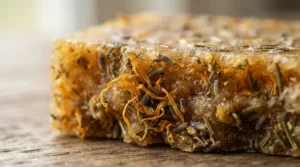
Chamomile Tea Skincare Uses: Can a Cup Do What a Bar Does?
Chamomile tea skincare uses are popular for good reason: it’s cheap, familiar, and soothing in a cozy way. Common approaches include a cooled tea compress on flushed cheeks or a tea rinse used after washing. Here’s an honest framing: these uses rest mostly on tradition and plausible chemistry, not large clinical trials, so think “pleasant ritual” rather than “treatment.”
If you try it, steep a plain chamomile tea bag (no added flavors or oils) in hot water, then let it cool fully. Press the cooled tea bag or a clean cloth soaked in the tea onto your skin for a few minutes. Make it fresh each time rather than storing it, since leftover tea can grow bacteria.
Two cautions. First, anyone allergic to daisy-family plants should skip this entirely. Second, never use tea near your eyes if you’re prone to reactions. Tea compresses pair naturally with a chamomile bar, as they hit the same theme from two angles, but start with one change at a time so you can tell what’s helping.
Practical Usage Guide: Getting the Most From Your Chamomile Bar
Technique often beats ingredients. The American Academy of Dermatology’s face-washing guidance recommends lukewarm water, fingertips instead of washcloths or brushes, no scrubbing, and washing twice a day at most, plus after heavy sweating. Apply that to your bar:
- Wet skin with lukewarm water. Hot water is a classic redness trigger.
- Lather in your hands first. Rubbing the bar directly on your face is rougher than you think.
- Use fingertips for 20 to 30 seconds. That’s plenty for cleansing.
- Rinse thoroughly. Leftover soap film is irritating.
- Pat dry, don’t rub. Then moisturize while skin is still slightly damp.
- Dry the bar between uses. Use a draining dish; a mushy bar melts away faster.
For the first 30 days, introduce the bar once daily (evening), then adjust. If you shave, a lather from a gentle bar can double as shaving soap, though skin response varies.
Real-World Scenarios: Which Bar Fits Which Person?
Scenario 1: The budget-conscious student. Dorm showers, shared bathroom, no skincare budget. Basis Sensitive Skin Bar or Tale of the Snail Chamomile & Oats keep costs low and routines simple. Daily use, once a day on the face, with a basic moisturizer after.
Scenario 2: The fragrance-wary office worker. Mild, recurrent cheek flushing after commuting in cold wind. Cedarwood Soap Calendula Chamomile fits: short list, no added scent, a botanical story without the perfume. Washing at night only is a sensible move.
Scenario 3: The scent-loving self-care fan. Normal skin that just flushes occasionally, and a love of ritual. Apivita Natural Soap with Chamomile or Le’ Faye Chamomile + Calendula Bar brings the sensory payoff. Use them on the body, and patch-test before bringing either near your face.
Scenario 4: The organic-first household. Shared bar for the family, ingredient-label readers. Valenti Organics Chamomile Bar Soap matches the philosophy, with sweet almond and olive oils for conditioning.
The through-line: match the bar to your biggest trigger first, then to your values.
Long-Term Cost and Maintenance
| Tier | Typical Range Per Bar* | What Drives Cost | Value Verdict |
|---|---|---|---|
| Budget (e.g., Basis Sensitive Skin Bar) | Under $10 | Scale manufacturing, simple packaging | Excellent per-wash cost |
| Handmade budget (e.g., Tale of the Snail Chamomile & Oats) | Under $10 | Small batches, long cure | Strong value |
| Artisan mid-range | Roughly $10–$15 | Organic oils, small production | Fair if you want organics |
| Premium botanical | Roughly $15–$20+ | Import costs, specialty ingredients | Worth it only if it suits your skin |
*Ranges reflect approximate listings seen during research and may vary by seller.
Cost per wash is where bars quietly win. A bar used daily on the face and body can last several weeks, and one reviewer of a large bar reports it lasting over a month. Maintenance is simple: keep it dry, store it on a draining dish, and cut larger bars in half so one stays sealed. A 5-minute habit saves real money. Buying cheap but ending up in a flare-up costs far more.
Safety, Allergies, and When to See a Dermatologist
Chamomile belongs to the Asteraceae (daisy) family, and people with allergies to related plants like ragweed sometimes react to it. If you’ve reacted before, avoid it or ask an allergist first. For everyone else, the 48-hour patch test is simple insurance: dab lather on the inner forearm, rinse, and watch for redness or itching. Eczema resources from WebMD recommend steering clear of harsh chemicals and fragrances and looking for the National Eczema Association’s Seal of Acceptance on products.
Know when a soap isn’t enough. Persistent facial redness, burning, visible small blood vessels, pimple-like bumps, or swelling can point to conditions like rosacea or eczema that need a clinician’s diagnosis. Cosmetic soaps are not treatments for medical conditions. See a board-certified dermatologist if redness lasts beyond a few weeks or worsens.
FAQ
❓ Can chamomile soap really reduce facial redness?
❓ Is chamomile bar soap safe for rosacea-prone skin?
❓ How long does chamomile soap take to calm redness?
❓ Can I use chamomile bar soap on my face every day?
❓ Is chamomile soap safe with a ragweed allergy?
Conclusion
So, is chamomile bar soap for skin redness relief worth it? Yes, with realistic expectations. The chamomile is the charming accent; the gentle base, low fragrance, lukewarm water, and a no-scrub technique do the heavy lifting. If you want a proven budget baseline, Basis Sensitive Skin Bar is the safe starting point. If fragrance is your enemy, Cedarwood Soap Calendula Chamomile deserves a patch test. If you want organics, Valenti Organics Chamomile Bar Soap is the pick, and for a thrifty handmade option, Tale of the Snail Chamomile & Oats is hard to beat. Save the scented beauties, Apivita Natural Soap with Chamomile and Le’ Faye Chamomile + Calendula Bar, for skin that tolerates them.
Your skin is the final judge, so patch-test, be patient, and see a dermatologist if redness persists.
✨ Ready to Calm Things Down?
🌼 Choose the bar that matches your biggest trigger, click any highlighted product to check current pricing and availability, and give your skin a gentler routine it will actually thank you for!
Recommended for You
- Calming Bar Soap For Irritation After Shaving: 7 Best Picks 2026
- Soothing Bar Soap For Rosacea-Prone Skin: 7 Best Gentle Picks (2026)
- Soothing Bar Soap Reviews For Redness: 7 Best Picks (2026)
Disclaimer: This article contains affiliate links. As an Amazon Associate, I earn from qualifying purchases. If you purchase products through these links, we may earn a small commission at no additional cost to you.
✨ Found this helpful? Share it with your friends! 💬🤗
