

In This Article
Here’s a confession: most of us grew up thinking “soap is soap.” Then you flip over a drugstore bar and read a label that looks like a chemistry exam, and suddenly the whole aisle feels like a dare. All-natural bar soap for normal skin daily use is, at its simplest, a saponified cleansing bar made mostly from plant oils and butters rather than synthetic detergents, sulfates, or parabens — formulated to clean without stripping the skin’s natural moisture balance, which makes it a solid everyday choice for skin that isn’t unusually oily, dry, or reactive.
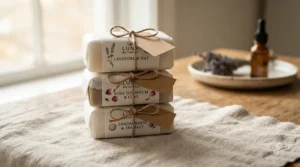
That last part matters more than marketing copy lets on. “Normal skin” isn’t a compliment or an insult; it’s just skin that tolerates a reasonably wide range of cleansers without throwing a tantrum. But even normal skin has limits, and the science behind why is more interesting than you’d expect — soap works by using surfactants to physically lift oil, dirt, and microbes off the skin’s surface so water can carry them away, which is why the CDC still calls handwashing with soap one of the single most effective habits for staying healthy.
This guide skips the vague “for radiant skin” promises. Instead, we researched seven real, currently available bars — from a $2-a-bar castile classic to a $10-plus triple-milled goat milk bar — and broke down what’s actually in them, who they’re genuinely built for, and where they fall short. No invented five-star reviews, no manufactured hands-on stories. Just the spec sheet, the aggregated reviewer sentiment, and honest analysis you can use before you add anything to your cart.
Quick Comparison Snapshot
Before the deep dive, here’s the fast version for anyone who just wants a starting point.
| Category | Pick | Price Range | Why It Wins the Category |
|---|---|---|---|
| Best Budget Castile | Kirk’s Natural Coco Castile Soap | Under $3 per bar | Lowest cost-per-bar of any true castile on this list |
| Best for Combination/Normal-to-Oily | SheaMoisture African Black Soap | $3-$5 range | Traditional formula built to balance without over-drying |
| Best Scent Layering | Nubian Heritage Raw Shea Butter Bar Soap | $4-$6 range | Frankincense, myrrh, and honey extract in one bar |
| Best Sustainable Packaging | Beekman 1802 Pure Goat Milk Soap | $9-$12 range | Compact-by-design packaging built to cut shipping waste |
Looking at this table, the pattern is pretty clear: price climbs with formulation complexity, not necessarily with how “natural” a bar is. Kirk’s Natural Coco Castile Soap and Beekman 1802 Pure Goat Milk Soap are both genuinely plant-based and free of parabens or sulfates, yet one costs a third of the other — the gap comes down to milling process, goat milk sourcing, and packaging engineering, not some hidden compromise in the cheaper bar. If budget is your main filter, start with the top row; if packaging footprint matters most to you, skip straight to the bottom.
Found a favorite already? Tap through to check today’s availability before it sells out.
Top 7 All-Natural Bar Soaps for Normal Skin: Expert Analysis
We picked these seven to cover the real spread of the natural soap aisle: true castile bars, shea and African black soap traditions, mineral-infused bars, and cold-processed goat milk soap. Every one of them shows up under “natural daily soap bars” or “plant-based everyday cleanser” searches for a reason — but the reasons are different bar to bar.
1. Dr. Bronner’s Pure-Castile Bar Soap — the recycled-wrapper castile classic
The standout here isn’t just the ingredient list; it’s that Dr. Bronner’s has been making essentially the same formula since the 1940s and still wraps every bar in post-consumer recycled paper. The bar is built from saponified organic coconut, palm, and olive oils with retained glycerin, plus organic hemp oil, jojoba oil, and an essential oil for scent (peppermint, lavender, and citrus are the most common). Retained glycerin is the detail worth flagging: many mass-market soap makers strip glycerin out to sell separately, which is part of why cheap bars can feel drying, while castile bars that keep it tend to lather less “squeaky” and rinse a bit softer.
Based on the ingredient profile, this is a genuinely simple, low-fragrance-load bar — good news if you’re the type who reacts to synthetic perfume but still wants a light, natural scent. Reviewers consistently note two things: a noticeably fast-melting bar compared to commercial soap, and a lather that some describe as thinner than they expected from a “moisturizing” product, which tracks with a coconut-and-olive-oil castile recipe rather than one built around waxy stearic soaps.
Pros:
- ✅ Retained glycerin keeps the bar from feeling harshly stripping
- ✅ Recycled paper wrapper with no synthetic dyes or whiteners
- ✅ Works as face, body, or even shampoo bar in a pinch
Cons:
- ❌ Melts faster in a wet dish than firmer commercial bars
- ❌ Thinner lather may disappoint fans of dense, foamy suds
Price runs around $4-$5 for a single 5 oz bar, dropping into the low-$3-per-bar range when bought in a 6-pack — check current price before buying, since multipacks fluctuate. For a bar that’s this widely available and this consistently formulated, it’s a fair value entry point into castile soap.
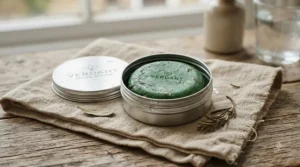
2. Kirk’s Natural Coco Castile Soap — most affordable true castile on the shelf
Kirk’s has been making coconut oil castile soap since 1839, and the current formula is refreshingly short: sodium cocoate, water, glycerin, sodium chloride, sodium gluconate, and either a fragrance blend or nothing at all in the fragrance-free version. What most buyers overlook about this bar is that it’s one of the few widely distributed drugstore-aisle soaps that’s both hypoallergenic-marketed and genuinely coconut-oil-based rather than tallow or synthetic detergent — a meaningful distinction if you’re trying to keep your bathroom shelf plant-based.
The company is women-owned and family-run, and the fragrance-free version specifically markets itself around sensitive-skin use, which lines up with its stripped-down ingredient list. On paper, this means fewer places for an irritant to hide. Aggregated reviewer sentiment tends to praise how well it lathers even in hard water, a claim that’s plausible given coconut-oil soaps are known for producing a fluffier lather across a wider water-hardness range than olive-oil-heavy castile blends.
Pros:
- ✅ Shortest, most transparent ingredient list on this list
- ✅ Performs well in both hard and soft water
- ✅ Lowest price per bar of any true castile option here
Cons:
- ❌ Original Fresh Scent still relies on an undisclosed “fragrance” entry
- ❌ Smaller 4 oz bars mean more frequent repurchasing
Multipacks (5-6 bars) typically land under $10 total, putting the per-bar cost in the $2 range — among the least expensive genuinely natural bars available. If your daily-use goal is simply “plant-based and cheap,” this is hard to beat.
3. Nubian Heritage Raw Shea Butter Bar Soap — richest scent layering of the group
Founded in Harlem more than three decades ago, Nubian Heritage built its reputation on certified organic, fair-trade shea butter, and this bar leans into that heritage hard: shea butter, soy milk, vitamin E, honey extract, and an essential-oil blend of frankincense, myrrh, cardamom, and ginger. That’s a genuinely layered scent profile compared to the single-note citrus or lavender you’ll find on more clinical castile bars.
Here’s what the spec sheet won’t tell you outright: soy milk and honey extract are humectants, meaning they help pull moisture into the skin rather than just cleaning it off, which is a different mechanism than the “gentle surfactant” approach used by goat milk bars. For someone whose normal skin skews slightly dry in winter, that’s a meaningfully different experience than a plain castile bar. Reviewers frequently mention the scent lingering pleasantly on skin for hours, which fits with an essential-oil-heavy formulation rather than a light single fragrance note.
Pros:
- ✅ Fair-trade, certified organic shea butter as a core ingredient
- ✅ Multi-note essential oil blend with real lasting scent
- ✅ Soy milk and honey extract add humectant benefits
Cons:
- ❌ Heavier scent load may be too much for fragrance-sensitive users
- ❌ Contains added color ingredients (iron oxides) some purists avoid
Expect a price in the $4-$6 range per 5 oz bar, with multipacks bringing individual bars down modestly. It’s a strong pick if “natural daily soap bars” means you still want a genuinely aromatic shower.
4. SheaMoisture African Black Soap with Shea Butter — best for normal-to-oily balance
African black soap has centuries of West African tradition behind it, and SheaMoisture’s version sticks close to that root recipe: palm and plantain-peel ash as a base, blended with fair-trade shea butter, oat kernel meal, aloe leaf juice, and vitamin E. Traditionally, the ash-based formula is prized for helping balance oil production without the tight, stripped feeling that stronger acne washes can leave behind.
Based on the ingredient comparison against the other bars here, this is the one built specifically with combination and blemish-prone skin in mind, though the shea butter and oat content keep it gentle enough for general normal-skin daily use rather than restricting it to “problem skin” only. Aggregated reviews across retailers are notably consistent on one point: many users report it helps even out texture and calm minor breakouts over a few weeks of regular use, while a smaller but recurring group flags that the fragrance blend can feel strong for very reactive skin.
Pros:
- ✅ Traditional ash-based formula suited to oil balancing
- ✅ Oat kernel meal adds gentle exfoliation without added microbeads
- ✅ Widely available in multipacks for easy cost tracking
Cons:
- ❌ Natural color and consistency vary bar to bar
- ❌ Fragrance blend may be too strong for very sensitive users
A 4-count pack of 8 oz bars typically runs in the low-to-mid teens, putting each bar around $3-$4. That’s a competitive price for a formulation this specifically targeted at combination skin concerns.
5. One With Nature Dead Sea Mineral Olive Oil Soap — gentlest mineral exfoliation
Triple-milled at the source in Jordan, this bar swaps the usual “natural” story (organic oils, essential oil blends) for a mineral-forward one: saponified palm, palm kernel, and olive oils combined with genuine Dead Sea salt, shea butter, argan oil, and vitamin E. Triple milling is worth explaining in plain terms — it’s a process where the soap base is repeatedly compressed and rolled, squeezing out excess water and air pockets, which produces a denser bar that lasts noticeably longer in the shower than a single-poured bar.
What most buyers overlook is that Dead Sea salt isn’t just a marketing flourish; mineral-rich bathing has genuine historical use for skin conditions, and the fine salt crystals in a triple-milled bar provide mild, non-abrasive exfoliation that’s gentler than a scrub with visible grit. Reviewers commonly mention the bar holding its shape and size far longer than typical drugstore soap, which lines up with the triple-milling claim rather than being an isolated anecdote.
Pros:
- ✅ Genuine Dead Sea salt sourced and milled at origin
- ✅ Triple-milling produces a longer-lasting, denser bar
- ✅ Fragrance-free version available for sensitive normal skin
Cons:
- ❌ Some scented variants use undisclosed fragrance blends
- ❌ Mineral pigments can occasionally streak on light-colored washcloths
At around $3-$4 per 7 oz bar in multipacks, this lands squarely in mid-range territory — a fair trade for a denser, longer-lasting bar with genuine mineral sourcing behind it.
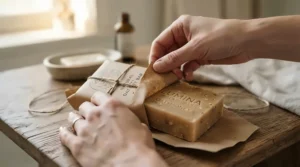
6. Zum Bar Goat’s Milk Soap by Indigo Wild — best small-batch cold-process pick
Zum Bar is where “cold-process soap” stops being a buzzword and starts being an actual production method you can feel in the bar. Cold-process soap making saponifies oils at low temperatures over several weeks rather than using heat to speed the reaction, which — based on the formulation comparison here — tends to preserve more of the natural glycerin and any temperature-sensitive additives like goat milk. Zum Bar’s ingredient list backs this up: saponified food-grade olive, coconut, palm, and castor oils in a goat’s milk base, blended with herbs, essential oils, and mineral pigments, all handcrafted in the USA.
What stands out against the mass-market bars on this list is the sheer number of essential-oil blend options — cedar, frankincense-lavender, patchouli-orange, and more — each formulated as a genuine scent story rather than a single synthetic fragrance note. Reviewers frequently describe the lather as noticeably creamier than typical bar soap, which is consistent with a goat-milk cold-process base; on the downside, the smaller 3 oz bars mean a shorter lifespan per dollar than the heavier bars elsewhere on this list.
Pros:
- ✅ True cold-process method preserves natural glycerin content
- ✅ Wide range of genuine essential oil scent blends
- ✅ Creamy lather reported consistently across reviewers
Cons:
- ❌ Smaller 3 oz bars mean a higher cost per ounce
- ❌ Natural mineral pigments can stain light fabric on contact
Multipacks of the 3 oz size typically run $5-$7 per bar depending on scent and pack size — pricier per ounce than the castile bars above, but justified for shoppers who specifically want essential oil scenting done well.
7. Beekman 1802 Pure Goat Milk Soap — most sustainably packaged premium pick
Beekman 1802 built its whole brand story around a single goat farm, and the flagship Pure Goat Milk Bar Soap reflects that focus: a 100% vegetable soap base combined with real goat milk, glycerin, and gentle cocoyl-glutamate surfactants, with no parabens, sulfates, silicones, or added fragrance in the Pure line. The company’s “Compact by Design” packaging initiative — removing excess air and water from shipping containers — has been specifically recognized for reducing shipping-related carbon emissions, which is the kind of transformation-content detail Amazon listings rarely mention.
Here’s what the spec sheet won’t tell you: goat milk’s natural pH sits close to human skin’s, and its lactic acid content offers extremely mild exfoliation, which is why dermatology-adjacent skincare writers frequently recommend goat milk formulas for sensitive normal skin specifically. Reviewers consistently describe the triple-milled bar as long-lasting and non-drying, with the brand’s 15-million-bars-sold track record lending some real-world weight to those claims beyond a single glowing testimonial.
Pros:
- ✅ Compact-by-design packaging engineered to cut shipping waste
- ✅ Fragrance-free formulation suited to reactive or sensitive skin
- ✅ Triple-milled for a notably long-lasting bar
Cons:
- ❌ Highest price per bar on this entire list
- ❌ Larger 9 oz size means a bigger upfront cost per purchase
At roughly $9-$12 for a 9 oz bar, this is the splurge pick — but on a cost-per-ounce basis against the pricier Zum Bar option, it’s not as far off as the sticker price suggests.
| Product | Price Range | Key Ingredient Highlight | Best For |
|---|---|---|---|
| Dr. Bronner’s Pure-Castile Bar Soap | $4-$5/bar | Retained glycerin, organic hemp & jojoba oil | Light-scent, eco-wrapper fans |
| Kirk’s Natural Coco Castile Soap | Under $3/bar | Sodium cocoate, minimal ingredient list | Tightest budgets |
| Nubian Heritage Raw Shea Butter Bar Soap | $4-$6/bar | Shea butter, soy milk, frankincense & myrrh | Aromatic daily routines |
| SheaMoisture African Black Soap | $3-$5/bar | Palm/plantain ash, oat, shea butter | Normal-to-oily combination skin |
| One With Nature Dead Sea Mineral Olive Oil Soap | $3-$4/bar | Dead Sea salt, argan oil, triple-milled | Longer-lasting mild exfoliation |
| Zum Bar Goat’s Milk Soap | $5-$7/bar | Cold-process, goat milk, essential oils | True cold-process scent variety |
| Beekman 1802 Pure Goat Milk Soap | $9-$12/bar | Goat milk, triple-milled, fragrance-free | Sensitive skin, sustainable packaging |
Scanning the full lineup side by side, a clear budget-to-premium ladder emerges: Kirk’s Natural Coco Castile Soap anchors the affordable end, SheaMoisture African Black Soap and One With Nature Dead Sea Mineral Olive Oil Soap hold the middle with targeted skin benefits, and Beekman 1802 Pure Goat Milk Soap tops the range on both price and packaging sustainability. Buyers chasing essential oil scenting specifically should note that Nubian Heritage and Zum Bar both out-perform the plainer castile bars on scent complexity, just at a real cost premium.
Practical Usage Guide: Getting the Most from Your Natural Soap Bar
Natural bar soap behaves differently than detergent-based commercial soap, and a few small habits make a noticeable difference in how long a bar lasts and how your skin responds.
First 30 days: Expect a short adjustment window, especially coming from a sulfate-heavy body wash. Some people notice their skin feels slightly different — not worse, just different — as it recalibrates to a lower-foam, glycerin-retentive cleanser. This typically settles within one to two weeks.
Storage matters more than people think. Natural bars with retained glycerin (like castile soap) are more prone to melting into a soggy puddle if left sitting in standing water. A soap dish with drainage grooves, or a wooden lift, extends bar life meaningfully — reviewers across multiple brands mention this as the single biggest factor in how long a bar actually lasts.
Common first-30-days mistake: cutting a bar in half to “make it last longer.” Ironically, this often speeds up melting, since it exposes more surface area to water. Letting a full bar dry between uses does more for longevity than resizing it.
Optimization trick: for triple-milled bars like One With Nature or Beekman 1802, a light final rinse under cool water (rather than hot) helps preserve the bar’s surface hardness, since heat softens the milled structure faster.
Real-World Scenarios: Matching the Bar to the Person
The budget-conscious daily shower. If you’re washing a family of four every single day and don’t want to think too hard about it, Kirk’s Natural Coco Castile Soap in a bulk multipack keeps cost per use low while still avoiding synthetic detergents — a genuinely practical plant-based everyday cleanser for high-frequency households.
The combination-skin office worker. Someone dealing with oilier T-zones or occasional breakouts but who doesn’t want a harsh acne wash is a strong match for SheaMoisture African Black Soap, which leans on its traditional ash-and-shea formulation to balance rather than strip.
The scent-forward self-care shower. If your daily wash is also your unwind ritual, Nubian Heritage or Zum Bar deliver a genuinely layered essential-oil experience that a single-note bar can’t match — worth the price premium if that ritual matters to you.
The sustainability-first shopper. For someone specifically hunting “sustainable packaging” alongside “natural,” Beekman 1802’s Compact by Design line and Dr. Bronner’s recycled paper wrapper are the two strongest matches on this list.
How to Choose an All-Natural Bar Soap for Normal Skin
Here’s a straightforward framework for narrowing down the aisle (or the endless scroll of options online).
- Check the first ingredient. If it starts with “sodium lauryl sulfate” or “sodium tallowate” without any oil qualifiers, it’s likely a detergent-heavy or animal-fat-based bar rather than a plant-based castile or shea formula.
- Look for retained glycerin. Bars that keep their natural glycerin (rather than having it extracted for resale) tend to feel less drying on normal-to-dry skin.
- Match the scent method to your sensitivity. Essential oil scenting is gentler on reactive skin than synthetic “fragrance” or “parfum” entries, though it’s not automatically hypoallergenic.
- Consider milling process. Triple-milled bars last longer and hold their shape better — useful if cost-per-use matters to you.
- Weigh packaging alongside formula. A “natural” bar wrapped in heavy plastic clamshell packaging undercuts part of the sustainability appeal many buyers are looking for.
- Read aggregated reviews for texture complaints, not just scent praise. Reviewers who dislike a bar often cite lather thinness or melting speed rather than allergic reactions — useful signal for what to actually expect.
- Buy a single bar before committing to a multipack. Even genuinely natural formulas vary enough in scent strength and lather that a trial run saves money long-term.
Research on skin surface pH consistently finds that most traditional bar soaps, natural or not, sit on the alkaline side of the skin’s naturally acidic surface — a detail worth knowing before assuming “natural” automatically means “pH-neutral.”
Cold-Process Soap vs Commercial Detergent Bars
The term “cold-process soap” gets used loosely, so it’s worth being precise. True cold-process soap is made by combining oils with a lye solution at room temperature and letting the chemical reaction (saponification) happen gradually over several weeks, rather than using heat to accelerate it. Saponification itself is simply the chemical process where fats or oils react with an alkali to form soap — it’s centuries old, and it’s the same basic reaction behind every true bar soap on this list, including the mass-produced ones.
The practical difference shows up in the finished bar. Cold-processed bars like Zum Bar Goat’s Milk Soap tend to retain more natural glycerin and are gentler on heat-sensitive additives like milk proteins, compared to hot-processed or machine-milled commercial bars that can strip some of those benefits out for shelf stability. On the other hand, commercial detergent bars (the Dial or Irish Spring type sold at most grocery stores) usually rely on synthetic surfactants rather than true saponified oils, which can produce a denser, longer-lasting bar but at the cost of the moisturizing glycerin content that natural bar fans specifically seek out.
Neither approach is universally “better” — it depends on what you’re optimizing for. If bar longevity and low cost are the priority, commercial detergent bars still win on pure economics. If ingredient transparency and glycerin retention matter more, cold-process and triple-milled natural bars are the clear winners, even at a real price premium.
Essential Oil Scenting: What It Actually Does for Your Skin
Essential oil scenting is one of the most misunderstood terms in the natural soap aisle. Unlike synthetic “fragrance” or “parfum,” which can be a blend of dozens of undisclosed compounds, essential oils are extracted directly from plant material — lavender flowers, peppermint leaves, citrus peels — and added to a soap base both for scent and, in some cases, minor skin-conditioning properties.
Based on the spec comparison across this list, Dr. Bronner’s, Nubian Heritage, and Zum Bar all lean on genuine essential oil blends rather than synthetic fragrance compounds, while a few of the others use a mix of essential oils and undisclosed “fragrance” entries even within an otherwise natural formula. That distinction matters if you’re specifically trying to avoid synthetic fragrance sensitizers — reading the full ingredient list, not just the front-of-package marketing, is the only reliable way to know which category a given bar actually falls into.
It’s worth noting that essential oils aren’t automatically hypoallergenic just because they’re plant-derived; citrus oils in particular can be mildly photosensitizing for some users. If you have genuinely reactive skin, patch-testing a new essential-oil-scented bar on your inner arm for a few days before committing to full facial or body use is a reasonable precaution.
Plant-Based Everyday Cleansers vs Traditional Bar Soap
| Factor | Plant-Based Natural Bar | Traditional Detergent Bar |
|---|---|---|
| Core cleansing agent | Saponified plant oils/butters | Synthetic surfactants (often SLS-based) |
| Glycerin content | Frequently retained | Usually extracted/removed |
| Ingredient transparency | Generally shorter, more legible list | Often longer, more synthetic compounds |
| Typical packaging | Paper wrap or compact-design plastic | Standard plastic-wrapped bar |
| Cost per bar | $2-$12 depending on formulation | Often under $2 |
Looking at this comparison, the trade-off is fairly transparent: traditional detergent bars usually win on raw price and bar longevity, while plant-based bars generally win on ingredient transparency and retained moisturizing glycerin. Neither category is automatically “healthier” for every skin type — someone with genuinely oily skin might actually prefer the more thorough stripping action of a detergent bar, while normal-to-dry skin tends to fare better with a glycerin-retentive natural formula.
For someone specifically searching “plant-based everyday cleanser,” the appeal usually isn’t just the ingredient list — it’s the broader shift away from petroleum-derived surfactants and toward renewable plant oil sources, a distinction that matters more to some shoppers than others but is worth being honest about rather than treating as an automatic skin-health upgrade.

Sustainable Packaging in the Natural Soap Aisle
This is where the natural soap aisle sometimes contradicts itself: a bar can be 100% plant-based and still ship in heavy plastic clamshell packaging that undercuts the whole point. Packaging accounts for a meaningful share of the plastic waste generated across the personal care industry, which is exactly the kind of detail that doesn’t show up on a product page but matters if sustainable packaging is genuinely part of your buying criteria.
Problem: Plastic-wrapped “natural” bars. Some brands market natural ingredients while still using non-recyclable plastic wrap. Solution: look specifically for paper-wrapped bars like Dr. Bronner’s, or reduced-packaging initiatives like Beekman 1802’s Compact by Design line, which is specifically engineered to cut shipping-related material and emissions.
Problem: Overpackaged multipacks. Bulk soap sets sometimes ship in oversized boxes with excess void-fill material. Solution: buying directly from brands with documented sustainability certifications, rather than third-party bundlers, tends to reduce this.
Problem: No end-of-life guidance. Many soap wrappers don’t specify whether they’re curbside recyclable. Solution: check the brand’s own sustainability page (not just the product listing) before assuming a wrapper is recyclable in your area.
Common Mistakes When Buying Natural Bar Soap
Mistake 1: Assuming “natural” means “gentle.” Some plant-based ingredients, like certain essential oils, can be more irritating to reactive skin than a mild synthetic surfactant. Read the full list, not just the front label.
Mistake 2: Ignoring bar size when comparing prices. A $3 bar that’s 3 oz isn’t automatically cheaper than a $6 bar that’s 9 oz — always calculate cost per ounce before assuming you’ve found the better deal.
Mistake 3: Buying a large multipack of a new scent. Essential oil blends vary enough in intensity that a scent you love in theory might be overwhelming in daily use. Trial a single bar first.
Mistake 4: Overlooking storage. Even the best-formulated bar degrades faster than it should if left sitting in a puddle — a $10 premium bar with poor drainage storage won’t outlast a $3 bar stored properly.
Mistake 5: Confusing “cold-process” with “cold-pressed.” These are unrelated terms; cold-process refers to how the soap itself is saponified, while cold-pressed usually refers to how an individual oil ingredient was extracted before it ever reached the soap maker.
Long-Term Cost & Maintenance of a Natural Soap Habit
| Product | Price Range | Approx. Bar Life (Daily Use) | Est. Monthly Cost |
|---|---|---|---|
| Kirk’s Natural Coco Castile Soap | Under $3/bar | 2-3 weeks | Roughly $4-$6 |
| SheaMoisture African Black Soap | $3-$5/bar | 3-4 weeks | Roughly $4-$7 |
| One With Nature Dead Sea Mineral Olive Oil Soap | $3-$4/bar | 4-5 weeks | Roughly $3-$4 |
| Beekman 1802 Pure Goat Milk Soap | $9-$12/bar | 5-6 weeks | Roughly $7-$10 |
This table tells a useful long-term story: the priciest bar per unit isn’t necessarily the priciest bar per month. Beekman 1802’s triple-milled density stretches its lifespan enough that its monthly cost lands closer to the mid-range options than the sticker price suggests, while smaller bars like Kirk’s need more frequent repurchasing despite the lower upfront cost. If you’re tracking total cost of ownership rather than shelf price, factoring in bar density and milling process matters as much as the price tag itself.
Beyond the soap itself, maintenance costs are close to zero — a drained soap dish (often under $10, one-time purchase) is really the only accessory that meaningfully extends any bar’s lifespan across every brand on this list.
Safety, Regulations & Labeling: What “All-Natural” Actually Means
Here’s the part most shoppers skip and probably shouldn’t: “natural” and “all-natural” are not strictly regulated terms in the U.S. cosmetics space the way “organic” is under USDA rules. A bar can legally call itself “all-natural” while still containing a small percentage of synthetic preservatives or colorants, as several ingredient lists on this page actually show (iron oxide colorants, for instance, appear in more than one “natural” bar here).
What is regulated is the ingredient disclosure itself — U.S. cosmetic labeling law requires bar soap manufacturers to list ingredients in descending order of concentration, which is exactly why reading the full list, not just the marketing claims on the front of the package, is the most reliable way to evaluate any “natural” claim. If a brand is specifically certified organic (look for USDA Certified Organic or a similar third-party seal), that’s a meaningfully stronger claim than an uncertified “natural” label alone.
For daily use on normal skin, none of the seven bars reviewed here raise particular safety flags — all rely on long-established, food-grade base oils and well-studied surfactant chemistry. The main safety consideration for any bar soap, natural or not, remains individual sensitivity to specific essential oils or botanical extracts, which is exactly why patch-testing a new bar before full daily use is a reasonable habit regardless of how “natural” the label claims to be.

Frequently Asked Questions
❓ Is all-natural bar soap good for normal skin every day?
❓ What ingredients should I avoid in natural bar soap?
❓ Does cold-process soap actually last longer than regular bar soap?
❓ Can essential oil-scented soap irritate sensitive skin?
❓ Is bar soap more sustainable than liquid body wash?
Conclusion
If there’s one honest takeaway from researching seven real bars side by side, it’s this: “all-natural” is a starting point for evaluating a soap, not a finish line. The formulation, the milling process, and yes, even the packaging all shape whether a bar actually earns its price tag for your specific skin and routine. Kirk’s Natural Coco Castile Soap remains the easiest recommendation for pure budget-conscious daily use, SheaMoisture African Black Soap is the strongest pick if your normal skin leans slightly oily, and Beekman 1802 Pure Goat Milk Soap justifies its premium price for anyone who genuinely prioritizes sustainable packaging alongside gentle, fragrance-free formulation.
Whichever bar you land on, the same core advice applies across all seven: read the full ingredient list, not just the front label, store it somewhere it can actually dry between uses, and give a new scent a single-bar trial before committing to a bulk multipack. Small habits like these do more for your daily skincare routine than any single “best” product ever could.
Recommended for You
- 7 Best Everyday Bar Soap With No Dyes or Additives (2026)
- 7 Best Bar Soap for Normal Skin Family Multipack Picks (2026)
- 7 Budget Everyday Bar Soap Picks That Won’t Wreck Your Skin (2026)
Disclaimer: This article contains affiliate links. As an Amazon Associate, I earn from qualifying purchases. If you purchase products through these links, we may earn a small commission at no additional cost to you.
✨ Found this helpful? Share it with your friends! 💬🤗
