
In This Article
Have you ever dreamed of crafting your own custom soaps without dealing with dangerous lye or complicated chemistry? Welcome to the wonderful world of melt and pour soap base – the secret weapon that’s revolutionizing home soap making for beginners and experts alike. Unlike traditional cold-process soap making that requires handling caustic chemicals and weeks of curing time, melt and pour soap base lets you create beautiful, luxurious bars in just a few hours.
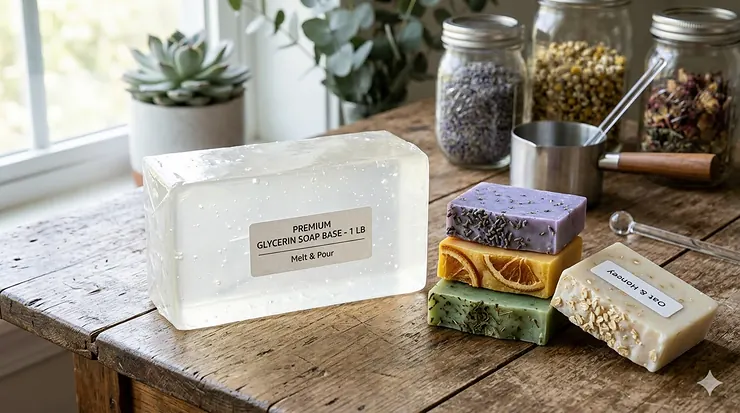
The melt and pour soap base market has exploded in 2026, with more options than ever before. From ultra-clear glycerin bases that showcase colorful embeds to nourishing shea butter formulations that pamper sensitive skin, there’s a base perfectly suited for your creative vision. The beauty of this craft lies in its simplicity – just melt your chosen base, add your favorite colors and scents, pour into molds, and voilà! You’ve got professional-quality soap without the steep learning curve.
Whether you’re a complete beginner exploring soap crafting for the first time, a busy parent looking for a fun family activity, or an aspiring entrepreneur building a small soap business, choosing the right melt and pour soap base is absolutely crucial. The base you select determines everything from how easily your soap melts to how creamy the lather feels on skin. In this comprehensive guide, we’ll walk you through the top seven products dominating the market in 2026, breaking down their unique features, pricing, and ideal use cases so you can make the perfect choice for your soapy adventures.
Quick Comparison Table
| Product | Type | Size | Key Feature | Price Range | Best For |
|---|---|---|---|---|---|
| Velona Shea Butter Base | Shea Butter | 25 lbs | SLS/SLES free, creamy lather | $80-$95 | Bulk crafters, sensitive skin |
| ALEXES Organic Clear Base | Organic Glycerin | 2 lbs | Pre-cut cubes, ultra-clear | $18-$24 | Beginners, transparent designs |
| Skin Said Yes Shea Base | Organic Shea | 5 lbs | Mediterranean oils, recipe book | $35-$45 | Eco-conscious crafters |
| Velona Ultra Clear Base | Clear Glycerin | 5 lbs | Crystal transparency | $28-$35 | Embedding, colorful soaps |
| Soapeauty Goat Milk Base | Goat Milk | 5 lbs | Lactic acid enriched | $39-$44 | Dry/mature skin |
| LAVIONY Pre-Cut Base | Goat Milk | 16 oz | Precision 1.3oz cubes | $16-$21 | Small batches, portioning |
| Crafter’s Choice Detergent-Free | Specialty | 5 lbs | Citrus-scented, creamy lather | $32-$40 | Creative variations |
💬 Just one click – help others make better buying decisions too! 😊
Top 7 Melt and Pour Soap Base: Expert Analysis
1. Velona 25 LB Shea Butter Melt and Pour Soap Base
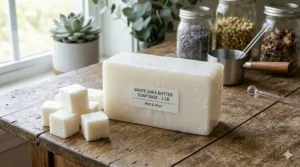
When serious soap makers need bulk quantities without compromising quality, Velona Shea Butter Base stands as the industry heavyweight champion. This 25-pound block delivers exceptional value for small businesses, craft fair vendors, or dedicated hobbyists who burn through soap base faster than a microwave melts chocolate.
What sets this base apart is its impressive shea butter content combined with a completely SLS/SLES-free formulation. The rich, creamy lather feels luxurious on skin while the natural moisturizing properties leave no filmy residue – a common complaint with cheaper alternatives. The base melts smoothly at around 140°F, making it forgiving for beginners who might overheat their first few batches.
Customer feedback consistently praises the skin-softening results, with many reporting that friends and family specifically request soaps made from this base. The high glycerin content pulls moisture into skin rather than stripping it away, making it ideal for winter months when humidity plummets. Price-wise, you’re looking at roughly $3.50-$4.00 per pound when buying in bulk – a significant savings compared to smaller quantities.
✅ Pros:
- Exceptional value for bulk purchases (makes approximately 100+ bars)
- Free from harsh sulfates and chemicals
- Rich, moisturizing shea butter formula
❌ Cons:
- Large quantity may be overwhelming for casual crafters
- Requires proper storage to prevent moisture absorption
2. ALEXES 2 lb Organic Melt and Pour Soap Base
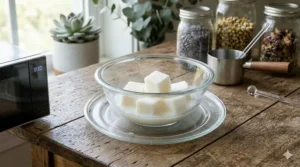
Perfect for first-time soap makers testing the waters, ALEXES Organic Clear Base removes the guesswork from portioning and melting. The thoughtful pre-cut cube design means no wrestling with cutting boards or struggling to saw through rock-hard soap blocks – just grab a few cubes and pop them in your melting container.
This organic melt and pour glycerin soap for beginners shines in transparency projects. The crystal-clear base doesn’t shrink, sweat, or develop that cloudy appearance that plagues lower-quality alternatives. It’s genuinely satisfying to watch colorful botanicals or glitter suspended perfectly in the finished bars, creating that professional “wow factor” that sells at craft markets.
At around $20 for two pounds, it’s positioned in the mid-range pricing tier. Users love that it’s unscented, providing a blank canvas for essential oil blends without competing fragrances. The neutral pH makes it gentle enough for sensitive skin, though always patch-test with new ingredients. Recent reviews from early 2026 highlight improved packaging that better protects against humidity during shipping.
✅ Pros:
- Pre-cut cubes save preparation time
- Perfect clarity for embedding designs
- Beginner-friendly organic formulation
❌ Cons:
- Smaller quantity runs out quickly for frequent crafters
- Higher per-pound cost than bulk options
3. Skin Said Yes 5 Lb Shea Butter Soap Base
If sustainability and skin health rank high on your priority list, this organic melt and pour base from Skin Said Yes delivers on both fronts. Manufactured by Greek soapmakers with over 150 years of expertise (yes, you read that right – a century and a half!), this base blends Mediterranean olive oil with coconut oil for deep cleansing that doesn’t compromise your skin’s natural barrier.
The standout feature is the included recipe book, transforming this from a simple purchase into a complete soap making starter kit. The book provides tested formulas that take the guesswork out of fragrance ratios and color combinations – invaluable for beginners who feel intimidated by endless possibilities. The vegan certification and palm-oil-free formula appeal to eco-conscious crafters who scrutinize ingredient lists.
Priced around $35-$45 for five pounds, it sits in the premium category. The dermatologically-tested formulation means you can confidently gift soaps to friends with sensitive skin. Users report that the base accepts colorants beautifully without the muddying effect that sometimes occurs with lower-quality alternatives. The 100% recyclable packaging aligns with the brand’s environmental commitment.
✅ Pros:
- Includes comprehensive recipe book
- 150+ years of manufacturing expertise
- Eco-friendly packaging and palm-oil-free
❌ Cons:
- Premium pricing may stretch tight budgets
- Slightly longer melting time than glycerin-only bases
4. Velona 5 LB Ultra Clear Glycerin Soap Base
Transparency enthusiasts, meet your match. This Velona Ultra Clear Base produces soaps so crystal-clear you could practically read through them. The secret lies in the specially refined glycerin content and meticulous manufacturing process that removes every trace of cloudiness from the final product.
This soap making starter base excels when you’re creating layered designs, embedding toys for kids’ soaps, or showcasing dried flowers and botanicals. The high glycerin content (one of the highest on the market) means exceptional moisture retention, though be mindful in extremely low-humidity environments where it might attract too much moisture and become tacky.
At approximately $28-$35 for five pounds, it offers excellent value for the clarity level achieved. Crafters love how smoothly it melts without requiring constant stirring to prevent scorching. The abundant foam production creates that satisfying lather users expect from quality soap. Recent batches have shown even better clarity than previous years, suggesting continuous manufacturing improvements.
✅ Pros:
- Exceptional crystal-clear transparency
- Excellent for embeds and layering
- High glycerin content for skin hydration
❌ Cons:
- May become slightly tacky in very humid conditions
- Not ideal for opaque soap designs
5. Soapeauty 5 Lb Goat Milk Soap Base
Anyone dealing with dry, sensitive, or aging skin should bookmark this one. Soapeauty Goat Milk Base harnesses the natural power of lactic acid to gently exfoliate dead skin cells while vitamin A works overtime repairing damaged tissue and diminishing fine lines.
This beginner-friendly soap crafting base melts like butter (literally – smooth and predictable), making it nearly impossible to overheat or scorch. The creamy white color provides a lovely backdrop for pastel colorants and creates an inherently luxurious look even without added colors. Customer testimonials frequently mention the “spa-quality” feel of finished soaps, with several small business owners reporting it’s become their signature product.
The price hovers around $39-$44 for five pounds – a reasonable investment considering the skin benefits. The natural goat milk components mean you’re creating truly nourishing bars rather than just cleansing products. Pro tip from experienced users: this base pairs exceptionally well with lavender, honey, and oatmeal additives for maximum skin-pampering effects.
✅ Pros:
- Natural lactic acid gently exfoliates
- Vitamin A supports skin repair
- Creamy, luxurious appearance
❌ Cons:
- Slightly higher price point
- White color limits transparent design options
6. LAVIONY 16 Ounce Goat Milk Pre-Cut Soap Base
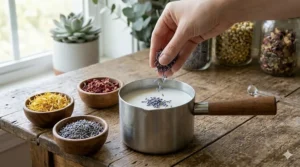
Precision matters when you’re crafting small batches or testing new recipes, and LAVIONY understood the assignment. Their innovative pre-cut design divides the soap into twelve perfectly measured 1.3-ounce cubes – snap off three cubes and you’ve got exactly enough for one standard 3.5-ounce bar. No scales, no guesswork, no waste.
This DIY soap base comparison winner shines in the convenience category. The precision portioning means you can experiment with different fragrances or colors without committing to large batches. Made with coconut oil, vegetable glycerin, and organic goat milk extracts, it’s gentle enough for babies and sensitive skin while maintaining that professional-quality lather.
At $16-$21 for 16 ounces, the per-ounce cost runs higher than bulk options, but the convenience premium makes sense for casual crafters or those teaching soap-making workshops. The eco-conscious packaging minimizes plastic waste, and the pH-balanced formula means less worry about skin irritation. Users particularly appreciate how cleanly the cubes snap apart – no crumbling or uneven pieces.
✅ Pros:
- Precision pre-measured 1.3oz cubes
- Perfect for small batch testing
- Family-safe, baby-gentle formula
❌ Cons:
- Higher per-ounce cost
- Limited quantity for high-volume crafters
7. Crafter’s Choice Detergent-Free American Citrus Base
Tired of the same old white or clear soap bases? Crafter’s Choice brings the fun with their detergent-free citrus base that arrives pre-scented with sweet blood orange and tangerine oils. The transparent orange hue adds instant visual interest without requiring additional colorants – a time-saver for busy crafters.
This specialty base creates creamy bubble lather that feels indulgent without relying on harsh detergents (completely SLS/SLES-free). The five-pound tray includes a secure lid, making storage between projects foolproof. Each tray yields approximately twenty 4-ounce bars when poured into standard molds – perfect sizing for retail sales or generous gifts.
Priced around $32-$40 for five pounds, it sits in the mid-to-premium range. The built-in fragrance means one less ingredient to purchase separately, though it does limit customization options. Exclusive Crafter’s Choice molding instructions come with each purchase, providing expert guidance on temperature control and proper unmolding techniques. The INCI-approved ingredient list gives transparency-seeking crafters peace of mind.
✅ Pros:
- Pre-scented with natural citrus oils
- Convenient lidded storage tray
- Zero detergent content
❌ Cons:
- Limited fragrance customization
- Orange color may not suit all design visions
Understanding Melt and Pour Soap Base: The Essentials
What Exactly Is Melt and Pour Soap Base?
Think of melt and pour soap base as the ultimate shortcut to handmade soap mastery. It’s pre-made soap that’s already undergone saponification – that chemical reaction between fats and lye that creates actual soap. According to Wikipedia’s entry on melt and pour soapmaking, this process differs fundamentally from cold-process or hot-process methods because you’re working with soap that’s already “done” chemically speaking.
The base typically combines vegetable oils (like coconut, palm, or olive oil) with glycerin, water, and sodium hydroxide that’s been completely neutralized during manufacturing. What you get is a solid block that liquefies when heated to around 120-140°F, accepting colorants, fragrances, and additives before resolidifying as it cools. The magic lies in its simplicity – no dangerous lye handling, no weeks-long curing period, no chemistry degree required.
Most quality bases contain 15-25% glycerin, that miracle humectant that pulls moisture into your skin’s outer layers. Research published by the National Institutes of Health demonstrates that glycerin significantly improves skin barrier function, enhances desmosomal degradation, and even accelerates wound healing processes. This explains why handmade melt and pour soaps often feel more moisturizing than commercial detergent bars that strip away natural glycerin during manufacturing.
The base comes in various formulations – clear for transparent designs, white for opaque soaps, or specialty versions enriched with goat milk, shea butter, honey, or other beneficial additives. Each type serves different creative purposes while maintaining that beginner-friendly melt-pour-cool workflow that makes this craft so addictively satisfying.
Types of Melt and Pour Soap Base Available in 2026
Clear Glycerin Bases
The transparent superstar of the soap world, clear glycerin bases let your creativity shine through – literally. Perfect for suspending colorful botanicals, glitter, or small toys for kids’ soaps, these bases achieve crystal-clear transparency when properly melted and cooled.
The high glycerin content (typically 20-30%) makes these bases exceptionally moisturizing. However, this same property means they can become slightly sticky in very humid environments. Store finished soaps in airtight packaging if you live in tropical climates. Clear bases accept liquid colorants beautifully, creating vibrant hues that glow when light passes through them.
White or Opaque Bases
When you’re not concerned with transparency, white bases offer versatility and forgiveness. They’re ideal for creating pastel colors, embedding opaque objects, or achieving that classic handmade soap aesthetic. Most white bases use titanium dioxide for opacity, though some manufacturers opt for coconut milk or goat milk for a more natural appearance.
These bases typically hide imperfections better than clear varieties, making them perfect for beginners still mastering the pouring technique. They also tend to release from molds more easily and show less surface condensation than clear bases.
Specialty Enriched Bases
Modern soap crafters demand more than basic functionality, which has spawned an entire category of enriched bases. Shea butter melt and pour soap adds intense moisturization for dry skin. Goat milk bases bring lactic acid’s gentle exfoliating properties. Honey bases offer natural antimicrobial benefits while smelling subtly sweet.
Each specialty base serves specific skin needs and aesthetic preferences. Hemp oil bases appeal to natural skincare enthusiasts. Aloe vera bases soothe sensitive or sunburned skin. The variety available in 2026 means you can select bases that align perfectly with your brand identity or personal skincare philosophy.
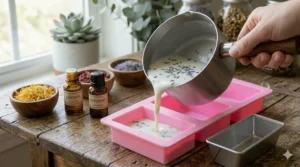
How to Choose the Perfect Melt and Pour Soap Base
1. Define Your Primary Purpose
Are you crafting for personal use, gifts, or launching a small business? Personal crafters might prioritize smaller quantities and specialty ingredients, while business owners need consistent bulk pricing and reliable availability. Teaching workshops? Pre-cut cubes save precious class time.
2. Consider Your Skill Level
Complete beginners benefit from bases that melt predictably, pour smoothly, and forgive slight temperature variations. Clear bases can be tricky for first-timers since every bubble and imperfection shows. Start with white or cream-colored bases while learning proper melting techniques.
3. Evaluate Skin Type Compatibility
Dry skin craves shea butter or goat milk formulations. Oily or acne-prone skin performs better with lighter clear glycerin bases. Sensitive skin requires fragrance-free, dye-free options with minimal ingredient lists. Match the base to your (or your customers’) skin concerns for maximum satisfaction.
4. Check Ingredient Transparency
Quality manufacturers list full INCI ingredient names rather than vague “soap base” descriptions. Look for SLS/SLES-free formulations if you’re targeting natural skincare markets. Verify vegan and cruelty-free certifications matter to your customer base.
5. Calculate True Cost Per Bar
That bargain-priced base might not seem so cheap when you calculate cost per finished bar. Factor in shipping costs (soap is heavy!), potential waste from learning curves, and how many bars each pound produces. Sometimes paying more upfront for quality saves money long-term.
6. Test Melting Characteristics
Different bases melt at different temperatures and maintain workable liquid states for varying durations. Fast-setting bases demand quick pouring, while slower varieties give more time for artistic techniques. Read reviews specifically mentioning melting behavior.
7. Assess Lather Quality
Some bases produce abundant, creamy bubbles while others create lighter, airier foam. The amount and type of coconut oil content significantly impacts lather. For most users, rich, creamy lather signals quality and luxury, boosting satisfaction with finished products.
Benefits of Using Melt and Pour Soap Base
Safety First: No Lye Handling Required
Traditional soap making involves mixing lye (sodium hydroxide) with fats – a process that generates significant heat and produces caustic fumes that can cause severe chemical burns. Melt and pour eliminates this danger entirely because saponification already occurred in controlled manufacturing facilities. You can literally make soap with young children present (under supervision, of course) without worrying about dangerous chemical exposure.
Time Efficiency
Cold-process soap requires 4-6 weeks of curing time before use. Melt and pour soaps harden within hours and are ready to use immediately. This instant gratification makes the craft perfect for last-minute gift-giving or quick market inventory replenishment. You could start a batch at 7 PM and have wrapped, finished products ready by 10 PM the same evening.
Creative Freedom Without Chemistry Knowledge
Want to add dried lavender buds? Go for it. Thinking about swirling three colors together? Easy. Embedding small toys? No problem. The forgiving nature of melt and pour bases encourages experimentation without the risk of “failed batches” that plague cold-process soapmakers when lye calculations go wrong.
Consistent Quality
Manufacturing facilities control saponification precisely, ensuring consistent pH levels, proper fat-to-lye ratios, and quality standards. Your finished soaps will perform reliably every single time, building customer trust and repeat business if you’re selling your creations.
Lower Initial Investment
Cold-process soap making demands immersion blenders, precise digital scales, safety equipment (goggles, gloves, ventilation), and expensive oils. Melt and pour requires only a microwave or double boiler, molds, and the base itself. You can start crafting quality soaps for under $50 total investment.
Moisture Retention
According to research from ScienceDaily, the glycerin naturally present in quality melt and pour bases acts as a signaling molecule that helps skin cells mature properly. This means your handmade soaps don’t just clean – they actively support healthy skin function. Commercial soaps often remove glycerin for separate sale, stripping away this valuable moisturizing component.
Common Mistakes to Avoid When Working with Soap Bases
Overheating the Base
Soap base doesn’t need to reach boiling temperatures – in fact, excessive heat degrades quality and can scorch the glycerin. Microwave in 20-30 second bursts, stirring between each. The base is ready when it’s completely liquefied, even if it doesn’t look piping hot. Overheating also makes fragrance oils evaporate faster, weakening your scent.
Adding Fragrance at Wrong Temperature
Wait until the base cools slightly (around 130-140°F) before adding essential or fragrance oils. Too hot, and you’ll literally cook off those expensive aromatics. Too cool, and the thickening soap won’t blend properly, leaving you with scent pockets and uneven distribution.
Using Wrong Mold Materials
Cardboard, wood, and metal molds can cause sticking nightmares. Stick with silicone, plastic, or specially designed soap molds that release easily when soap hardens. If you must use alternative molds, line them with plastic wrap or parchment paper first.
Ignoring Humidity Factors
Glycerin pulls moisture from air – a wonderful property for your skin but problematic for soap storage. Unwrapped soaps left in humid bathrooms develop “glycerin dew” (that sticky condensation layer). Always wrap finished soaps in plastic wrap or shrink wrap for storage and gift-giving.
Skipping Alcohol Spray
Air bubbles are the bane of clear soap designs. Keep a spray bottle of 70% rubbing alcohol handy and spritz the soap surface immediately after pouring. The alcohol breaks surface tension, collapsing bubbles instantly. This one simple step dramatically improves clarity and professional appearance.
Over-Ambitious First Projects
That twelve-layer rainbow soap looks stunning in tutorials, but attempting complex techniques before mastering basics leads to frustration. Start with single-color, simple-shaped soaps. Build skills gradually through practice. Complexity can wait until you’ve internalized proper melting temperatures and timing.
Creative Techniques and Design Ideas
Layering Magic
Pour different colored layers sequentially, allowing each to partially set before adding the next. Spritz each layer with alcohol before pouring the next one – this crucial step bonds layers together, preventing separation. Try diagonal pouring for angled layers or pour over textured surfaces for interesting patterns.
Embedding Objects
Clear glycerin bases excel at showcasing embedded items. Cast small toys for kids’ soaps, suspend dried flowers for botanical bars, or embed previous soap shapes for artistic dimension. Pour a thin base layer first, position your embeds, spritz with alcohol, then pour remaining soap to fully encase.
Swirl Techniques
Pour two or three colors into the mold simultaneously, then use a chopstick or skewer to drag through the colors in purposeful patterns. Work quickly before the soap begins setting. Less is more with swirling – over-mixing turns beautiful swirls into muddy messes.
Textured Tops
Use forks, combs, or specially designed texture tools to create patterns on soap surfaces just as they begin to set. The timing window is narrow but the results add professional polish. Practice on test batches to nail the perfect moment when soap is firm enough to hold patterns but soft enough to manipulate.
Gradient Effects
Create stunning ombré effects by dividing your melted base into multiple containers, each with progressively more colorant. Pour the lightest shade first, allow partial setting, then pour the next shade, and so on. The gradual color transition creates eye-catching visual interest.
Storage and Shelf Life Guidelines
Properly stored melt and pour soap base maintains quality for 1-2 years from manufacture date. Keep unopened blocks in their original packaging, stored in cool, dry locations away from direct sunlight. Heat and UV exposure degrade both color and fragrance retention.
Once opened, wrap unused portions tightly in plastic wrap to prevent moisture absorption and oxidation. Some crafters divide large blocks into smaller, more manageable chunks and vacuum-seal individual portions for extended freshness.
Finished soaps perform best when wrapped within 24 hours of creation. Shrink-wrapping provides professional appearance while protecting against humidity. If selling at markets, consider breathable paper bands that allow some air circulation while still protecting surfaces.
Watch for signs of base degradation: excessive sweating (beyond normal glycerin dew), color changes, rancid or “off” smells, or difficulty melting smoothly. When in doubt, test a small amount before committing to large batches.
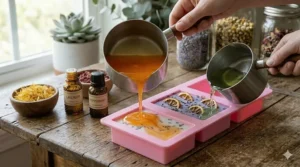
Troubleshooting Common Issues
Soap Won’t Release from Mold Freezing the filled mold for 30 minutes makes removal dramatically easier. The slight contraction helps break the seal between soap and mold. For stubborn cases, briefly run warm water on the mold exterior (not directly on soap).
Bubbles Throughout Finished Soap Prevention beats cure – spray with alcohol after pouring and avoid vigorous stirring that incorporates air. If bubbles already exist in clear soap, they’re permanent. In opaque soaps, they’re less noticeable and purely cosmetic.
Sweating Soap Natural glycerin dew indicates high-quality, moisturizing soap but looks unprofessional. Wipe surfaces with a lint-free cloth and wrap immediately in plastic. Some crafters add slight amounts of stearic acid to reduce sweating tendency, though this affects moisturizing properties.
Fragrance Fading Use skin-safe fragrance oils specifically formulated for soap making rather than candle fragrances or aromatherapy oils. Add fragrance at proper temperatures (130-140°F) and work quickly before prolonged heat exposure. Some scents naturally fade faster than others – citrus oils are notorious for poor staying power.
Color Morphing Vanilla content in fragrances causes browning over time – a natural chemical reaction impossible to prevent. Either embrace the aged appearance or select vanilla-free scents. Mica-based colorants maintain color better than liquid dyes, though they cost more upfront.
Melt and Pour vs. Cold Process Soap Making
The fundamental difference lies in lye handling and time investment. Cold-process soapmakers mix lye with oils personally, controlling every aspect of saponification but accepting the inherent dangers and 4-6 week curing time. Melt and pour crafters work with pre-saponified bases, sacrificing some formulation control for immediate safety and instant results.
Cold-process allows complete ingredient customization – you select every oil, butter, and additive from scratch. Melt and pour limits you to bases manufacturers provide, though 2026’s market offers more variety than ever before. Think of it as cooking from scratch versus using a high-quality cake mix as your starting point.
Cost per bar typically favors cold-process once you’re producing at scale, since bulk oils cost less than prepared bases. However, factor in equipment investment, learning curve waste, and time value. For hobbyists and small businesses, melt and pour often makes better economic sense.
Many experienced soapmakers use both methods strategically. Cold-process for signature formulations and large production runs, melt and pour for seasonal specials, teaching classes, or quick market inventory gaps. The techniques complement rather than compete with each other.
Safety Tips and Best Practices
Even though melt and pour eliminates lye dangers, molten soap reaches temperatures that can cause burns. Always use heat-resistant containers designed for microwave or stovetop use. Wear protective gloves when handling hot soap base, and keep children at safe distances during the melting and pouring phases.
Work in well-ventilated areas when adding fragrance oils, as concentrated aromatics can trigger headaches or respiratory irritation in sensitive individuals. Never add water-based ingredients like fresh fruits or milk to melted bases – they create bacterial breeding grounds and dramatically shorten shelf life.
Test all additives (especially botanicals and exfoliants) on small batches before committing to large productions. Some ingredients react unpredictably with different base formulations. What works beautifully in one brand might cause discoloration or texture issues in another.
Label all finished soaps with ingredient lists, manufacture dates, and proper usage instructions. This protects both you legally and your users health-wise. Include warnings about potential allergens even if you consider them obvious.
Store all soap-making supplies away from food preparation areas to prevent cross-contamination. Dedicate specific tools and containers exclusively to soap crafting rather than dual-purposing kitchen equipment.
Building a Soap Making Business
The barrier to entry for soap businesses has never been lower, thanks to melt and pour bases. You can start producing marketable products from your kitchen with minimal licensing requirements in most jurisdictions (always verify local regulations).
Successful soap sellers emphasize unique branding and targeting specific niches. Rather than competing as “another handmade soap,” become “the lavender eucalyptus specialist” or “the activated charcoal detox expert.” Focused branding attracts dedicated customers willing to pay premium prices.
Packaging significantly impacts perceived value. Professional labels, attractive wrapping, and thoughtful presentation elevate $5 soap into $12 soap without changing the product itself. Invest in quality packaging that reflects your brand identity and protects products during shipping.
Farmers markets, craft fairs, and pop-up shops provide testing grounds before committing to online stores or wholesale accounts. Direct customer feedback helps refine formulations and identify winning scent combinations. Start small, validate demand, then scale gradually.
Consider liability insurance even as a small hobbyist seller. Product liability claims can devastate finances without proper coverage. Policies specifically designed for handmade cosmetics sellers cost less than you’d expect and provide crucial peace of mind.
Environmental Considerations
The soap industry’s environmental impact varies dramatically based on ingredient sourcing and manufacturing processes. Palm oil, a common soap base ingredient, drives deforestation in Southeast Asia when not sustainably certified. Look for bases explicitly labeled RSPO-certified (Roundtable on Sustainable Palm Oil) or palm-free alternatives.
Glycerin production as a biodiesel byproduct creates interesting sustainability dynamics. As renewable fuel demand increases, glycerin supply rises, potentially making it more environmentally friendly than virgin oil extraction. The circular economy connections between different industries create unexpected eco-benefits.
Packaging waste represents another concern. Individual soap wrapping creates plastic waste, though biodegradable cellophane alternatives exist at slightly higher costs. Bulk buying reduces packaging-to-product ratios significantly. Some eco-conscious businesses offer wrapper recycling programs or package-free options for local customers.
Water usage during soap making itself remains minimal compared to traditional manufacturing. However, the energy required for melting (whether microwave electricity or stovetop gas) adds to your carbon footprint. Solar ovens work surprisingly well for small batches in sunny climates, offering a genuinely renewable heating alternative.
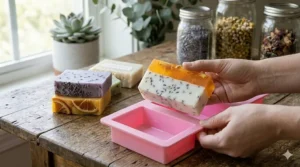
Frequently Asked Questions
❓ How long does melt and pour soap base last once melted?
❓ Can you add fresh ingredients like milk or fruit to melt and pour soap?
❓ What's the maximum fragrance oil percentage for melt and pour soap base?
❓ Is melt and pour soap base considered real soap or detergent?
❓ Can you customize the hardness and lather of melt and pour soap?
Conclusion
Choosing the right melt and pour soap base transforms soap making from a frustrating chemistry experiment into a joyful creative outlet that produces beautiful, usable results from day one. Whether you’ve fallen for the crystal clarity of Velona Ultra Clear Base, the skin-nourishing properties of Soapeauty Goat Milk, or the eco-conscious formulation of Skin Said Yes Shea Butter Base, you’re investing in more than just soap ingredients – you’re opening doors to endless creative possibilities.
The seven products we’ve explored represent the best that 2026’s market offers, each excelling in different areas to match diverse needs and priorities. Beginners will appreciate the forgiving nature and pre-cut convenience of ALEXES Organic or LAVIONY options, while experienced crafters might gravitate toward bulk quantities and specialized formulations. The common thread connecting all these top performers is their commitment to quality ingredients, consistent performance, and customer satisfaction that shows in thousands of glowing reviews.
Remember that the “best” base ultimately depends on your specific goals, budget, and creative vision. Don’t hesitate to experiment with different varieties as your skills develop. Many successful soap crafters maintain a selection of bases for different projects – clear for transparent designs, shea butter for winter moisturizing bars, goat milk for sensitive skin formulations. This variety prevents creative stagnation and keeps the craft fresh and exciting.
As you embark on your soap-making journey, embrace the learning process. Your first batch might not be Instagram-perfect, and that’s completely okay. Each soap you create teaches valuable lessons about temperature control, color mixing, and timing that cannot be learned from reading alone. The beauty of melt and pour lies in its forgiving nature – mistakes can be remelted and repoured without waste.
Most importantly, enjoy the process. There’s something deeply satisfying about creating useful, beautiful products with your own hands. Whether you’re crafting for relaxation, gifts, or business, soap making offers rewards far beyond the finished bars themselves.
Recommended for You
- 7 Best Glycerin Soap for Oily Skin That Work in 2026
- 7 Best Authentic Dudu Osun Soap for Acne & Scars 2026
- 7 Best African Black Soap with Shea Butter for Glowing Skin 2026
Disclaimer: This article contains affiliate links. If you purchase products through these links, we may earn a small commission at no additional cost to you.
✨ Found this helpful? Share it with your friends! 💬🤗
