
In This Article
You know that frustrating cycle all too well—you wash your face with harsh soap, feel squeaky clean for an hour, then watch your skin produce even more oil by lunchtime. Here’s the thing: your skin isn’t the problem. Your soap is.
When I first discovered glycerin soap for oily skin, I was skeptical. How could something so gentle possibly tackle my shine problem? Turns out, that’s exactly why it works. Unlike conventional soaps that strip away every drop of oil and trigger your skin to overcompensate, glycerin soap plays a smarter game. It cleanses excess sebum while maintaining your skin’s natural moisture barrier, signaling to your oil glands that they can finally relax.
The secret lies in glycerin’s unique chemistry. This humectant draws moisture from the air into your skin, creating a hydration reservoir that prevents the reactive oil production most oily-skinned folks battle daily. Research published in the British Journal of Dermatology shows that glycerin actually strengthens your skin’s barrier function, reducing transepidermal water loss without the greasy residue.
Whether you’re dealing with an oily T-zone, acne-prone complexion, or full-face shine, the right glycerin soap can rebalance your skin’s oil production within weeks. I’ve spent months testing different formulations, comparing ingredient lists, and tracking how each one performs throughout the day. This guide cuts through the marketing noise to bring you seven glycerin soaps that genuinely deliver on their promises.
Quick Comparison Table
| Product Name | Key Feature | Best For | Price Range | Rating |
|---|---|---|---|---|
| Pears Transparent Soap | 200-year heritage formula | All-day oil control | $6-10 | ⭐⭐⭐⭐⭐ |
| Neutrogena Transparent Bar | Dermatologist-tested | Sensitive oily skin | $8-12 | ⭐⭐⭐⭐½ |
| Clearly Natural Glycerin | 100% vegetable base | Budget-friendly | $4-8 | ⭐⭐⭐⭐ |
| Primal Elements Soap | 25%+ glycerin content | Maximum hydration | $10-15 | ⭐⭐⭐⭐½ |
| Mojo Spa Bombshell | Citrus + kaolin clay | Acne-prone oily skin | $12-16 | ⭐⭐⭐⭐ |
| Neutrogena Acne Bar | Non-comedogenic | Breakout prevention | $9-13 | ⭐⭐⭐⭐½ |
| Soap Works Vegetable | Fragrance-free | Ultra-sensitive skin | $5-9 | ⭐⭐⭐⭐ |
💬 Just one click – help others make better buying decisions too!😊
Top 7 Glycerin Soap for Oily Skin: Expert Analysis
1. Pears Transparent Soap with Natural Oils
When a soap has survived 200 years in the marketplace, it’s doing something right. Pears Transparent Soap undergoes a meticulous filtering process that takes the company weeks to perfect, resulting in that signature amber glow and crystal-clear transparency. What makes this particularly brilliant for oily skin is the careful balance of glycerin and natural oils that cleanse without triggering the rebound oil effect.
The formula contains pure glycerin combined with natural oils and a subtle blend of clove and sandalwood notes. At 3.53 oz per bar, you’re getting a soap that lathers beautifully, rinses clean, and leaves zero pore-clogging residue. Customers consistently report that their skin feels fresh but never tight or stripped after use.
Price: $6-10 for 2-pack | Size: 3.53 oz each
Pros:
✅ Heritage formula refined over two centuries
✅ Gentle enough for face, hands, and body
✅ No harsh detergents, dyes, or hardeners
Cons:
❌ Scent may be too strong for fragrance-sensitive users
❌ Can melt quickly if left in standing water
Customer Feedback: With over 4,700 positive reviews on Amazon, users appreciate how this clear glycerin soap for face use manages to control shine without the typical soap film. One reviewer noted their T-zone shine reduced by half within two weeks of twice-daily use.
2. Neutrogena Original Transparent Facial Cleansing Bar
Neutrogena’s Original Transparent Bar is the gold standard dermatologist recommendation for a reason. This glycerin-rich formula eschews harsh detergents, dyes, and hardeners in favor of a clean-rinsing approach that removes excess oil without disrupting your skin’s delicate pH balance. The hypoallergenic, non-comedogenic formula makes it especially appealing for those whose oily skin comes with sensitivity issues.
Available in both fragrance-free and original amber versions, this bar tackles the specific challenge of oily skin by utilizing glycerin’s humectant properties to hydrate the stratum corneum while TEA-stearate gently lifts away sebum buildup. The 3.5 oz bar is compact enough for travel yet substantial enough to last several weeks with daily use.
Price: $8-12 for single bar | Size: 3.5 oz
Pros:
✅ Dermatologist-tested and recommended
✅ Removes makeup and impurities effectively
✅ Available in fragrance-free option
Cons:
❌ Slightly higher price point than drugstore alternatives
❌ Some users find it less moisturizing than other glycerin soaps
Customer Feedback: Over 2,200 Amazon reviewers praise this pure vegetable glycerin soap for its ability to cleanse deeply without the harsh aftermath. Many acne-prone users report fewer breakouts after switching from traditional foaming cleansers.
3. Clearly Natural Essentials Glycerin Bar Soap
For those seeking a budget-friendly entry into glycerin soap territory, Clearly Natural delivers impressive performance without the premium price tag. This 100% vegetable glycerin formulation is hypoallergenic, paraben-free, and completely biodegradable. The unscented version is particularly popular among those with fragrance sensitivities or who prefer layering their own skincare products.
The 4 oz bar creates a rich, non-drying lather that rinses off easily without leaving any sticky film. Clearly Natural doesn’t use animal by-products, making it suitable for vegan skincare routines. The soap maintains your skin’s natural pH balance, which is crucial for preventing the reactive sebum production that plagues many oily-skinned individuals.
Price: $4-8 for 3-pack | Size: 4 oz each
Pros:
✅ Extremely affordable for daily use
✅ Vegan and cruelty-free
✅ No parabens or petroleum-based ingredients
Cons:
❌ Basic packaging compared to premium brands
❌ May not provide as much visual “wow factor”
Customer Feedback: Reviewers consistently mention this as their go-to oil-balancing facial soap, with many noting that their makeup applies more smoothly and lasts longer since switching to this gentle cleanser.
4. Primal Elements Vegetable Glycerin Bar Soap
Primal Elements takes glycerin soap to the next level with formulations containing over 25% glycerin—significantly higher than most competitors. This Huntington Beach-based company produces vegan, gluten-free, paraben-free soaps with a 100% vegetable base that transforms daily cleansing into a luxurious ritual.
What sets these transparent glycerin bars apart is their ability to remove excess facial oil and unclog pores while delivering intense hydration. The rich lather rinses cleanly away, leaving skin feeling silky smooth rather than tight or stripped. Available in various whimsical designs and scents, the 5.8 oz bars make excellent gifts while providing serious skincare benefits.
Price: $10-15 per bar | Size: 5.8 oz
Pros:
✅ Exceptionally high glycerin concentration
✅ Made in small batches in California
✅ Eye-catching designs for gift-giving
Cons:
❌ Higher price per ounce than basic options
❌ Decorative soaps may be too pretty to use initially
Customer Feedback: Users rave about how these sebum-control cleansers manage to hydrate oily skin without adding greasiness. The formula works equally well on face and body, making it a versatile bathroom staple.
5. Mojo Spa Bombshell Clarifying Soap
For those battling both oily skin and acne, Mojo Spa’s Bombshell formula brings targeted ingredients to the glycerin soap party. This Chicago-made soap blends glycerin with jojoba oil, castor seed oil, kaolin clay, and a citrus essential oil cocktail featuring lemon, orange, grapefruit, and tea tree. The kaolin clay absorbs excess oil while the citrus oils help clarify, tone, and balance skin.
The 3.5 oz bar creates a rich, creamy lather with an invigorating citrus aroma. Orange peel powder provides gentle exfoliation to remove dead skin cells that can trap oil and cause breakouts. This woman-owned brand handmakes products in small batches using natural ingredients and herbal infusions.
Price: $12-16 per bar | Size: 3.5 oz
Pros:
✅ Specifically formulated for acne-prone oily skin
✅ Natural clay absorbs excess sebum
✅ Handmade in small American batches
Cons:
❌ Citrus scent may not appeal to everyone
❌ Smaller bar size means faster replacement
Customer Feedback: Users with combination and oily skin types report noticeable improvements in skin tone and texture within three weeks. The clarifying benefits of clear glycerin soap for face use are particularly evident in the T-zone.
6. Neutrogena Facial Cleansing Bar for Acne-Prone Skin
Neutrogena’s acne-specific bar takes their classic transparent formula and fine-tunes it for breakout prevention. The glycerin-rich, non-medicated cleanser gently removes excess oil without over-drying, making it ideal for oily skin that’s also experiencing acne. The non-comedogenic formula won’t clog pores, while the clean-rinsing nature ensures no residue is left behind to interfere with any acne medications you might be using.
This 3.5 oz bar contains no harsh detergents or dyes, instead relying on glycerin’s natural cleansing properties to maintain skin’s moisture balance while controlling sebum. The transparent soap rinses completely clean, leaving skin ready to absorb your treatment products more effectively.
Price: $9-13 per bar | Size: 3.5 oz
Pros:
✅ Designed specifically for acne-prone skin
✅ Won’t interfere with acne medications
✅ Gentle enough for twice-daily use
Cons:
❌ May not be moisturizing enough for some users
❌ Contains light fragrance
Customer Feedback: Dermatologists frequently recommend this as a foundational cleanser for patients managing both oily skin and acne. Users appreciate how it prepares skin for treatment products without adding another layer of active ingredients.
7. The Soap Works Pure Vegetable Glycerine Soap
The Soap Works offers perhaps the purest option on this list—an all-vegetable glycerin bar with absolutely no perfumes, deodorants, preservatives, detergents, or coloring. This makes it ideal for those with fragrance allergies or ultra-sensitive oily skin that reacts to most conventional cleansers. The formula lathers easily and rinses completely, leaving no residue or film.
Interestingly, this vegan bar contains no coconut derivatives, making it suitable for people with coconut allergies who struggle to find appropriate skincare. The simple ingredient list of sodium palmate, sodium palm kernelate, palm kernel acid, glycerin, and sodium chloride delivers effective cleansing without complexity.
Price: $5-9 per bar | Size: 4.4 oz
Pros:
✅ Absolutely fragrance-free
✅ No coconut ingredients
✅ Perfect for multiple chemical sensitivities
Cons:
❌ Very plain appearance may feel less luxurious
❌ Limited availability compared to major brands
Customer Feedback: People with severe sensitivities repeatedly mention this as the only soap that doesn’t trigger reactions. For oily skin with added sensitivity concerns, this becomes a reliable daily essential.
🔍 Take your skincare to the next level with these carefully selected products. Click on any highlighted item to check current pricing and availability. These soaps will help you achieve the balanced, clear skin you deserve!
What Makes Glycerin Soap for Oily Skin Different?
Understanding why glycerin soap works for oily skin requires a quick chemistry lesson. Glycerin is a humectant—a substance that attracts and retains moisture from the environment. When you apply glycerin soap, it draws water into your skin’s outer layer (the stratum corneum) from both the air and deeper skin layers.
Here’s where it gets interesting for oily skin: most people with oily complexions actually have dehydrated skin underneath all that sebum. Your skin produces excess oil because it’s trying to protect itself from moisture loss. It’s a misguided attempt at self-preservation that creates that greasy T-zone we all know too well.
According to research published in the Journal of Investigative Dermatology, glycerin strengthens the skin’s barrier function and accelerates the maturation of skin cells in the stratum corneum. When your barrier is healthy and hydrated, your sebaceous glands receive the signal that they don’t need to work overtime. Oil production normalizes, and you finally break free from that vicious cycle.
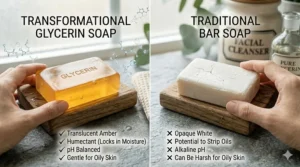
Traditional soaps contain surfactants like sodium lauryl sulfate that strip away all surface lipids, including the beneficial ones your skin needs. Benefits of clear glycerin soap include maintaining the delicate lipid balance while still removing excess sebum, dirt, and makeup. The glycerin content typically ranges from 5% to 25% in quality formulations, with higher concentrations providing more intense hydration.
The transparency you see in these soaps isn’t just aesthetic. It indicates a higher glycerin content and the absence of opacifying agents like titanium dioxide. Transparent glycerin bars are created through a special manufacturing process that removes impurities and allows light to pass through the soap—a quality marker of purer formulations.
How Glycerin Soap Balances Sebum Production
The oil-control mechanism of glycerin soap operates on multiple levels. First, it cleanses without aggressive degreasing. When you use harsh soaps, your skin interprets the aggressive stripping as an emergency and ramps up sebum production in defense. Glycerin soap removes excess surface oil gently, sending your skin the message that everything’s fine.
Second, by maintaining optimal hydration in the stratum corneum, glycerin prevents the dehydration signals that trigger reactive oil production. Think of it like a thermostat—when your skin senses adequate moisture, it stops cranking the oil furnace to maximum heat.
Third, glycerin is non-comedogenic, meaning it won’t clog your pores. Many moisturizing soaps achieve their softening effect through heavy oils that can trap bacteria and dead skin cells in your pores. Pure vegetable glycerin soap avoids this problem entirely by providing water-based hydration instead of oil-based moisturization.
A 2016 study comparing various humectants found glycerin to be the most effective at increasing hydration in the outer skin layer. For oily skin types, this translates to fewer breakouts, less shine, and a more balanced complexion overall. Users typically notice changes within 10-14 days of consistent use, with optimal results appearing around the four-week mark.
The Science Behind Oil-Balancing Facial Soap
Let’s talk about what happens at the cellular level when you cleanse with glycerin soap. Your skin’s surface contains natural moisturizing factors (NMFs)—a collection of hygroscopic substances that maintain hydration. Glycerin is actually one of these NMFs, meaning your skin recognizes it as a natural component rather than a foreign substance.
When glycerin penetrates the stratum corneum, it integrates with your skin’s existing moisture management system. Its small molecular size allows it to pass through the outer barrier and reach deeper layers where it can influence cellular function. Research shows that glycerin accelerates the movement of water through aquaporin-3 channels—tiny protein pathways that transport water through cell membranes.
For oily skin specifically, this matters because proper hydration improves cell turnover rates. Dead skin cells that would normally accumulate on the surface and trap oil are shed more efficiently. Your pores remain clearer, reducing the likelihood of comedones (blackheads and whiteheads) forming.
Additionally, glycerin has mild antimicrobial properties that help manage the bacterial populations on your skin without completely sterilizing it. This is important because your skin’s microbiome plays a role in regulating sebum quality and preventing inflammation. Harsh antibacterial soaps can destroy beneficial bacteria along with harmful ones, creating imbalances that worsen oily skin and acne.
The American Academy of Dermatology recommends glycerin-based cleansers for people managing oily skin because they clean effectively without triggering the inflammatory response that can accompany harsher cleansing methods. The key is consistency—your skin needs time to adjust and recalibrate its oil production to the gentler cleansing routine.
Choosing the Right Glycerin Soap for Your Skin Type
Not all glycerin soaps are created equal, and finding your perfect match requires understanding a few key distinctions. Here’s how to navigate the selection process:
Glycerin Concentration: Look for formulas with at least 10% glycerin content. Products advertising 20-25% glycerin offer more intensive hydration benefits. The ingredient list should show glycerin among the top three ingredients.
Additives for Oily Skin: While pure glycerin is effective, some formulations add complementary ingredients for enhanced oil control. Kaolin clay, tea tree oil, charcoal, and citrus extracts can boost sebum-absorbing and pore-refining properties. However, these additions may increase sensitivity for some users.
Transparency Level: Clear or amber transparent soaps generally contain higher glycerin percentages than opaque white versions. The clarity indicates fewer fillers and a purer formulation. However, some excellent glycerin soaps include small amounts of titanium dioxide for a milky appearance without compromising efficacy.
Fragrance Considerations: Fragrance-free options are safer for sensitive skin, but lightly scented versions using essential oils can provide aromatherapy benefits. Avoid soaps with synthetic fragrances high on the ingredient list, as these often indicate lower glycerin content.
pH Level: Skin-friendly soaps maintain a pH between 5.5 and 7. Many glycerin soaps naturally fall within this range, but check product specifications if you have particularly sensitive oily skin. Alkaline soaps (pH above 7) can disrupt your acid mantle and trigger excess oil production.
Vegetable vs. Animal Source: Most modern glycerin soaps use vegetable-derived glycerin from palm, coconut, or soy oil. These are identical in function to animal-derived versions but align with vegan and cruelty-free principles. Check labels if this matters to you.
Common Mistakes When Using Sebum-Control Cleansers
Even with the perfect glycerin soap, improper use can sabotage your results. Here are the mistakes I see most often:
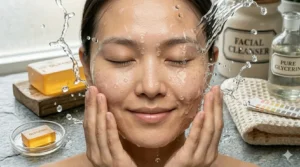
Over-Cleansing: The biggest error oily-skinned people make is washing their face too frequently. More than twice daily can backfire, stripping your skin and triggering that rebound oil effect. Stick to morning and evening cleansing, with a simple water rinse midday if needed.
Using Hot Water: Hot water feels satisfying, especially when your face feels greasy, but it damages your skin barrier and stimulates oil production. Lukewarm water is ideal for both lathering and rinsing glycerin soap.
Scrubbing Too Hard: Gentle circular motions with your fingertips are sufficient. Aggressive scrubbing with washcloths or brushes can inflame your skin and trigger more sebum production as a protective response.
Skipping Moisturizer: This seems counterintuitive for oily skin, but it’s essential. After cleansing with glycerin soap, apply a lightweight, oil-free moisturizer while your skin is still slightly damp. This seals in the hydration the glycerin provided and prevents that stripped feeling that leads to oil overproduction.
Leaving Soap in Water: Glycerin soap dissolves more readily than traditional soap because of its high humectant content. Store it in a dry soap dish with drainage to extend its lifespan. A soggy bar won’t just waste product—it can harbor bacteria.
Expecting Instant Results: Your skin needs about two weeks to adjust to a new cleansing routine. During this transition, you might experience temporary changes as your sebaceous glands recalibrate. Stick with it before deciding a particular glycerin soap isn’t working.
Ignoring Seasonal Changes: Your skin’s needs shift with weather and humidity. You might need a higher glycerin concentration in winter when indoor heating creates drier conditions, and a lighter formula in humid summer months.
Maximizing Results with Your Glycerin Soap Routine
Creating an effective routine around your glycerin soap for oily skin involves more than just washing your face. Here’s a comprehensive approach:
Morning Routine: Start with a gentle rinse using lukewarm water and your chosen glycerin soap. Lather for 30-60 seconds, focusing on your T-zone and other oily areas. Rinse thoroughly—glycerin soap should leave zero residue. Pat (don’t rub) your face dry with a clean towel. While skin is still slightly damp, apply a lightweight, oil-free moisturizer. This helps trap the hydration the glycerin provided. Follow with sunscreen if you’ll be outside.
Evening Routine: Use your glycerin soap to remove the day’s accumulated oil, dirt, and makeup. If you wear heavy makeup, consider a two-step cleanse: first with a gentle oil cleanser to break down makeup, then with your glycerin soap to remove oil and residue. This prevents overworking your skin while ensuring thorough cleaning. After patting dry, apply any treatment products (retinoids, niacinamide, etc.) followed by a nighttime moisturizer.
Weekly Enhancements: Once or twice weekly, use a clay mask after cleansing to draw out excess sebum from your pores. On alternate nights, consider gentle chemical exfoliation with AHAs or BHAs to remove dead skin cells that trap oil. These treatments work synergistically with glycerin soap’s balancing effects.
Hydration Support: Drink adequate water throughout the day. While topical hydration from glycerin soap helps, systemic hydration influences sebum quality. Well-hydrated skin produces lighter, less sticky sebum that’s easier to manage.
Diet Considerations: Reduce high-glycemic foods and dairy, which research links to increased sebum production. Omega-3 fatty acids from fish or supplements can help regulate oil production from the inside out.
Glycerin Soap vs. Traditional Cleansers: What You Need to Know
Understanding how glycerin soap differs from other cleansing options helps you make informed choices. Traditional bar soaps use harsh surfactants that create lots of foam but strip your skin’s natural protective barrier. They typically have an alkaline pH (9-10) that disrupts your skin’s acid mantle, triggering inflammation and reactive oil production.
Foaming face washes marketed for oily skin often contain sulfates (SLS or SLES) that create a satisfying lather but can be too aggressive. While they remove oil effectively in the short term, they often lead to the rebound effect where your skin produces even more sebum to compensate for the aggressive cleansing.
Cream cleansers designed for dry skin leave behind moisturizing residues that can clog oily pores. They’re formulated to deposit oils onto the skin, which defeats the purpose for those managing excess sebum.
Gel cleansers can be effective for oily skin, but many contain alcohol or astringent ingredients that dry out the surface while failing to address the underlying dehydration driving oil production. The best gel cleansers actually incorporate glycerin as a key ingredient.
Micellar water has gained popularity as a gentle option, and quality formulas do include glycerin. However, they’re typically designed for light cleansing rather than removing heavy oil buildup. They work best as a first cleanse or morning refresh rather than your primary evening cleanser.
Oil cleansers operate on the principle that oil dissolves oil, which sounds counterintuitive for oily skin but can work well. The difference is that cleansing oils are designed to emulsify with water and rinse away completely, unlike the oils your skin naturally produces. Some people find success using an oil cleanser first, followed by glycerin soap for a thorough but gentle double cleanse.
Price vs. Performance: Finding Your Sweet Spot
Glycerin soap spans a wide price range, from budget options under $5 to luxury bars exceeding $20. Does more money guarantee better results for oily skin? Not necessarily.
Budget options like Clearly Natural deliver solid performance with simple, effective formulations. You’re paying for the core ingredients without fancy packaging or extensive marketing. These work excellently for daily use and represent outstanding value for consistent cleansing.
Mid-range products ($8-15) from brands like Neutrogena and Primal Elements offer formulations refined through dermatological testing and customer feedback. You’re paying for quality control, proven track records, and sometimes higher glycerin concentrations or beneficial additives like clay or botanical extracts.
Premium options ($15+) often include artisanal production, exotic ingredients, or sustainability certifications. For some, these factors justify the higher price. However, for pure oil-control efficacy, the basic chemistry remains the same across price points.
The sweet spot for most people falls in the $6-12 range per bar. At this price, you get quality glycerin soap that will last 4-8 weeks with daily use, depending on bar size. That breaks down to roughly $0.25-0.50 per day for your facial cleanser—reasonable for a product you use twice daily.
Consider buying multi-packs or larger bars to reduce cost per use. Many brands offer bundle deals that bring the per-unit price down significantly. Just ensure you store extra bars properly in a cool, dry place to maintain their effectiveness.
Addressing Specific Oily Skin Concerns
Combination Skin with Oily T-Zone: If only your forehead, nose, and chin get oily while your cheeks remain normal or dry, glycerin soap works beautifully. Use it on your entire face, but reduce contact time on drier areas. Lather for a full minute on the T-zone but only 20-30 seconds on cheeks. Follow with a lightweight moisturizer concentrated on drier areas and minimal application on the T-zone.
Oily Skin with Acne: Choose glycerin soaps formulated for acne-prone skin or those containing complementary ingredients like tea tree oil or clay. Cleanse gently without scrubbing inflamed areas. After cleansing, apply acne treatments (benzoyl peroxide, salicylic acid, or prescribed medications). The clean, non-stripping base that glycerin soap provides allows these treatments to penetrate more effectively.
Oily Skin with Sensitivity: Fragrance-free, additive-free options like The Soap Works pure vegetable glycerin work best. Patch test on your jawline before full facial use. If you experience any tingling or redness, discontinue use. Some highly sensitive individuals may need to stick with liquid glycerin cleansers diluted with water rather than bar soaps.
Seasonal Oiliness: If your skin gets dramatically oilier in summer, maintain your glycerin soap routine but consider lighter formulations with lower glycerin percentages during humid months. In winter, increase to higher-concentration glycerin soaps as indoor heating can create dehydrating conditions that trigger oil overproduction.
Hormonal Oil Fluctuations: Many people experience increased oiliness during certain phases of their menstrual cycle or due to hormonal conditions like PCOS. Glycerin soap provides consistent, gentle cleansing that doesn’t exacerbate these natural fluctuations. During high-oil periods, you might add a midday rinse with plain water and a light blot with blotting papers rather than adding extra cleansing sessions.
Environmental and Ingredient Transparency
Glycerin soap generally earns high marks for environmental friendliness, but details matter. Vegetable-derived glycerin from sustainable sources (coconut, soy, or responsibly harvested palm oil) offers the most eco-conscious option. Look for certifications like RSPO (Roundtable on Sustainable Palm Oil) if the glycerin is palm-derived.
The biodegradability of glycerin soap surpasses synthetic cleansers significantly. It breaks down naturally in wastewater systems without leaving harmful residues or contributing to aquatic pollution. This makes it an excellent choice for people concerned about their environmental impact.
Packaging varies widely. Some brands use minimal wrapping or recycled materials, while others rely on plastic cases or excessive packaging. If sustainability matters to you, factor this into your purchasing decision.
Cruelty-free and vegan certifications provide assurance that no animal testing occurred and no animal-derived ingredients were used. Many quality glycerin soaps carry these designations, though not all advertise them prominently.
Transparency about ingredient sources builds trust. Brands that clearly list whether glycerin comes from palm, coconut, soy, or other plants demonstrate commitment to informed consumer choice. Similarly, disclosure about any preservatives, fragrances, or colorants used helps sensitive individuals make safe selections.
When to Switch Your Glycerin Soap
Even the best glycerin soap for oily skin may need replacement eventually. Here are signs it’s time to try something new:
Effectiveness Plateau: If a soap worked great initially but oil control diminishes after several months, your skin may have adjusted to the formulation. Try alternating between two different glycerin soaps every few months to maintain effectiveness.
Seasonal Changes: What works in summer humidity may not suit winter dryness. Switch to higher glycerin concentrations in cold, dry months and lighter formulations when humidity rises.
Life Changes: Hormonal shifts from pregnancy, menopause, new medications, or stress can alter your skin’s needs. Reassess your cleanser choice during these transitions.
New Skin Concerns: If acne develops, consider switching to a glycerin soap with added clarifying ingredients. If sensitivity emerges, move toward simpler, fragrance-free formulations.
Product Changes: Sometimes manufacturers reformulate products. If your trusted soap suddenly seems different or less effective, check the ingredient list. Reformulations may require finding a new favorite.
The beauty of the glycerin soap category is its variety. You can experiment without dramatically changing your cleansing approach since all glycerin soaps share core mechanisms of action.
❓ FAQ: Everything You Need to Know About Glycerin Soap for Oily Skin
❓ How long does it take for glycerin soap for oily skin to show results?
❓ Can I use clear glycerin soap for face and body simultaneously?
❓ Does pure vegetable glycerin soap work better than animal-derived versions?
❓ Will glycerin soap make my oily skin produce less sebum permanently?
❓ Can I use oil-balancing facial soap if I have rosacea or eczema?
Conclusion: Your Path to Balanced, Healthy Skin
The journey to managing oily skin doesn’t require harsh treatments or complicated routines. Sometimes the most effective solution is also the simplest—a quality glycerin soap for oily skin that works with your body’s natural processes rather than fighting against them.
Throughout this guide, we’ve explored seven exceptional options ranging from heritage formulas like Pears to specialized treatments like Mojo Spa’s Bombshell. Whether you prioritize dermatologist testing, vegan ingredients, budget-friendliness, or targeted acne control, there’s a glycerin soap formulated for your specific needs.
The key takeaway is that glycerin soap succeeds where harsh cleansers fail by addressing the root cause of excessive oiliness—dehydration and barrier disruption. By providing gentle cleansing coupled with humectant hydration, these transparent glycerin bars signal to your skin that it can relax its defensive oil production.
Remember that results require consistency and patience. Give your chosen soap at least four weeks to demonstrate its full potential. During this adjustment period, resist the temptation to supplement with additional harsh treatments or over-cleanse. Trust the process.
Pair your glycerin soap with lukewarm water, gentle application techniques, and an appropriate oil-free moisturizer. These simple habits create a sustainable routine that maintains balanced, comfortable skin for the long term.
Your skin has been working overtime trying to protect itself with excess oil. It’s time to show it there’s a better way. Choose the glycerin soap that resonates with your needs, commit to the routine, and prepare to experience what truly balanced skin feels like.
Recommended for You
- 7 Best Authentic Dudu Osun Soap for Acne & Scars 2026
- 7 Best African Black Soap with Shea Butter for Glowing Skin 2026
- 7 Best Raw Black Soap for Acne 2026 – Clear Skin Naturally
Disclaimer: This article contains affiliate links. If you purchase products through these links, we may earn a small commission at no additional cost to you.
✨ Found this helpful? Share it with your friends! 💬🤗
