
In This Article
Let me tell you something that completely changed my dishwashing routine last year. I was standing in the cleaning aisle, staring at a tiny bottle of concentrated dish soap priced the same as my usual giant jug. My first thought? This can’t possibly last as long. Fast forward three months, and that little bottle was still going strong while I’d normally have gone through two regular-sized ones.
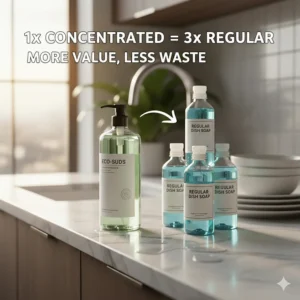
Concentrated dish soap isn’t just a trend—it’s a smarter way to clean. These powerful formulas pack 2-5 times more cleaning power per drop than traditional dish soaps, which means you’re getting more bang for your buck while dramatically reducing plastic waste. According to the EPA’s Safer Choice program, concentrated cleaning products can reduce plastic packaging by up to 70% compared to ready-to-use alternatives.
The math is simple: less water in the formula means less weight to ship, smaller bottles to store, and fewer trips to the store. Whether you’re looking for a dish soap concentrate refill to top up your existing dispenser, searching for bulk dish soap dispenser options for your commercial kitchen, or simply want to calculate your cost per wash, this guide covers everything you need to know about making the switch to concentrated formulas.
Quick Comparison Table: Top Concentrated Dish Soap at a Glance
| Product | Concentration | Size | Price Range | Best For |
|---|---|---|---|---|
| Dawn Ultra Dishwashing Liquid | 3x concentrated | 56 oz (2-pack) | $10-15 | Heavy grease removal |
| Mrs. Meyer’s Clean Day Refill | Standard concentrate | 48 oz | $8-12 | Eco-conscious homes |
| Method Dish Soap Refill | Concentrated gel | 1.06L (2-pack) | $12-16 | Refill station users |
| Madre Labs 3x Concentrate | 3x concentrated | 6 pouches (4oz each) | $15-20 | Space-saving storage |
| Pure Selects Concentrate | 4:1 dilution ratio | 32 oz | $18-22 | DIY dilution control |
| Ginger Lily Farms Botanicals | Max concentrate | 24 oz (8-pack) | $35-45 | Bulk buyers |
| Sun & Earth Free & Clear | Extra concentrated | 24 oz (6-pack) | $30-38 | Sensitive skin |
💬 Just one click – help others make better buying decisions too! 😊
Top 7 Concentrated Dish Soap Products: Expert Analysis
1. Dawn Ultra Dishwashing Liquid – The Industry Gold Standard
When professional kitchens and wildlife rescuers both swear by the same product, you know it’s something special. Dawn Ultra has been the benchmark for grease-cutting power for decades, and their concentrated formula doesn’t disappoint.
Key Specifications:
- 3x more grease-cleaning power per drop
- 56 oz bottles (Pack of 2)
- Original scent with refreshing formula
- 50% less scrubbing required vs. non-concentrated
Price Range: $10-15
The concentrated formula means you use significantly less product—just a few drops create enough suds for a full sink of dishes. Customers consistently report that a single bottle lasts 2-3 months with regular use, making the cost per wash incredibly economical.
✅ Pros:
- Unmatched grease-cutting ability
- Trusted by professionals worldwide
- Works in hard water conditions
❌ Cons:
- Contains synthetic surfactants
- Not certified organic
Customer Feedback: Users love that they can tackle baked-on lasagna pans with minimal effort. One reviewer mentioned using it for 15 years straight—that’s loyalty you can’t fake.
2. Mrs. Meyer’s Clean Day Liquid Dish Soap Refill – Garden-Fresh Cleaning
If you want your kitchen to smell like a lavender field rather than a chemistry lab, Mrs. Meyer’s Clean Day Refill is calling your name. This biodegradable formula combines effective cleaning with aromatherapy-level scents.
Key Specifications:
- Plant-derived cleaning agents
- 48 oz refill bottles
- Available in Lavender, Lemon Verbena, Basil, and more
- Biodegradable formula
Price Range: $8-12
The refill format is perfect for those already using Mrs. Meyer’s regular 16 oz bottles—just pour and go. The dilution ratios are pre-measured, so you don’t need to worry about mixing.
✅ Pros:
- Cruelty-free and Leaping Bunny certified
- Made without parabens or phthalates
- Essential oil-based fragrances
❌ Cons:
- Not as concentrated as commercial formulas
- Scent may be too strong for some
Customer Feedback: The Lemon Verbena scent receives rave reviews, with customers describing it as a bright, uplifting experience that makes dishwashing less of a chore.
3. Method Dish Soap Refill – Eco-Warrior’s Choice
For the environmentally conscious cleaner who refuses to compromise on performance, Method Dish Soap Refill delivers powerful cleaning in sustainable packaging. Their concentrated gel formula cuts through grease while their refill pouches save plastic and water.
Key Specifications:
- Concentrated gel formula
- 1.06 liter refill pouches (2-pack)
- PowerGreen technology
- Biodegradable formula
Price Range: $12-16
The refill pouches use 38% less plastic than traditional bottles, and the concentrated gel means you’re not paying to ship water across the country. Method’s unique approach to refill station options makes them a favorite among zero-waste households.
✅ Pros:
- Ultra grease-fighting formula
- Non-toxic, plant-based ingredients
- Refill pouch design saves resources
❌ Cons:
- Gel consistency takes getting used to
- Clementine scent not for everyone
Customer Feedback: Many users appreciate the smooth dispense and how a little goes a long way—one pouch typically refills their pump bottle 2-3 times.
4. Madre Labs Dish Soap 3x Concentrate – The Dilution Master
Here’s where things get interesting. Madre Labs gives you control over your dilution ratios, packaged in convenient single-use pouches that eliminate guesswork. Each pouch creates 16 oz of ready-to-use dish soap.
Key Specifications:
- 3x concentrated formula
- 6 pouches (4 oz each)
- Unscented formula
- Makes 96 oz total when diluted
Price Range: $15-20
The DIY approach means you can adjust the strength based on your needs—use the standard 1:3 ratio for regular dishes or go stronger for tough jobs. This is perfect for anyone serious about cost per wash calculations.
✅ Pros:
- Precise dilution control
- Space-efficient storage
- Gentle on hands
❌ Cons:
- Requires compatible bottle
- Unscented may not appeal to everyone
Customer Feedback: Users love the pouch system—no measuring, no mess, just squeeze into your bottle and add water. The gentle formula won’t dry out hands even with daily use.
5. Pure Selects Dishwashing Soap Concentrate – Maximum Value
When you realize most dish soaps are 80% water, Pure Selects suddenly makes a lot of sense. This concentrate dilutes at a 4:1 ratio, meaning one quart makes four quarts of usable dish soap—talk about environmental savings!
Key Specifications:
- 4:1 dilution ratio (makes 4.5 quarts)
- 32 oz concentrate bottle
- Enhanced with Aloe Vera & Vitamin E
- Fragrance and dye-free
Price Range: $18-22
The formula is specifically designed for people with sensitive skin or fragrance sensitivities. It comes with a free 16 oz dispenser bottle to get you started, and the concentrate bottle is designed for easy pouring.
✅ Pros:
- Outstanding value per gallon
- Free from SLS and ALS
- Includes dispenser bottle
❌ Cons:
- Requires manual dilution
- Less grease power than Dawn
Customer Feedback: Customers with eczema and sensitive skin report no irritation, and parents appreciate using it around kids without worrying about harsh chemicals or overwhelming scents.
6. Ginger Lily Farms Botanicals Plant-Based Dish Soap – Bulk Buyer’s Paradise
If you manage a household that goes through dish soap like water, Ginger Lily Farms Botanicals offers serious bulk savings with their 8-pack concentrated formula. This is the sweet spot between residential and commercial-grade products.
Key Specifications:
- Maximum grease-cleaning power
- 24 oz bottles (Pack of 8 = 192 oz total)
- Plant-based concentrated formula
- Available in Apple Pear and Basil scents
Price Range: $35-45
The concentrated formula means each 24 oz bottle performs like traditional 48 oz bottles. That’s effectively 384 oz of cleaning power—enough to last most families 6-12 months. Perfect for bulk dish soap dispenser setups or large families.
✅ Pros:
- Exceptional bulk pricing
- 100% vegan and cruelty-free
- Septic tank safe
❌ Cons:
- Requires storage space
- Large upfront cost
Customer Feedback: Restaurant owners and large families consistently praise the value. One reviewer calculated their cost per wash dropped by 60% compared to buying single bottles at grocery stores.
7. Sun & Earth Free & Clear Concentrated Dish Liquid – Sensitive Solution
For anyone dealing with allergies, asthma, or chemical sensitivities, Sun & Earth Free & Clear eliminates all the potential irritants while maintaining effective cleaning power. As a Certified B Corporation, they also walk the walk on environmental responsibility.
Key Specifications:
- Extra concentrated formula
- 24 oz bottles (Pack of 6 = 144 oz total)
- USDA Certified 90% Bio-Based
- Zero dyes, phosphates, or synthetic fragrances
Price Range: $30-38
The formula contains no chemical preservatives, allergens, or artificial anything—just plant-based cleaning agents that get the job done. This is as close to “nothing but soap” as you can get in a concentrated formula.
✅ Pros:
- Ideal for sensitive households
- Made in USA in Cincinnati, Ohio
- Supports Second Chance Employment Program
❌ Cons:
- No scent (pro or con depending on preference)
- Limited availability in some areas
Customer Feedback: Parents of children with severe allergies report this is the only dish soap they can use without triggering reactions. The lack of fragrance is consistently mentioned as a major benefit.
✨ Don’t Miss These Exclusive Deals!
🔍 Take your kitchen cleaning to the next level with these carefully selected products. Click on any highlighted item to check current pricing and availability. These concentrated formulas will help you create sparkling clean dishes while saving money and reducing environmental impact!
Understanding Dilution Ratios: The Secret to Maximizing Your Concentrate
Here’s where concentrated dish soap gets really interesting—and where most people make costly mistakes. Dilution ratios aren’t just random numbers on the bottle; they’re the key to unlocking the full value of your purchase.
The Dilution Ratio Breakdown
3x Concentrated: For every 1 part concentrate, add 2 parts water
- Dawn Ultra, Madre Labs fall into this category
- Typical formula: 1 oz concentrate + 2 oz water = 3 oz ready-to-use soap
4:1 Concentrated: For every 1 part concentrate, add 3 parts water
- Pure Selects uses this ratio
- Formula: 1 oz concentrate + 3 oz water = 4 oz ready-to-use soap
Pre-Mixed Concentrates: No dilution required, but still more concentrated than traditional formulas
- Mrs. Meyer’s, Method, Sun & Earth
- Use less per wash than regular dish soap
Common Dilution Mistakes
I learned this the hard way: more doesn’t equal cleaner. When I first switched to Madre Labs, I thought using the concentrate straight would supercharge my cleaning. Instead, I got a sticky residue that took three rinses to clear. The science is simple—surfactants need the right water ratio to work effectively.
According to research on concentrated cleaning products, proper dilution is essential for both performance and environmental savings. Too concentrated wastes product; too diluted reduces cleaning power.
How to Calculate Your Perfect Dilution
Let’s do the math with a real example:
Madre Labs 3x Concentrate (4 oz pouch):
- 1 pouch = 4 oz concentrate
- Dilution ratio: 1:3 (1 part concentrate + 3 parts water)
- Final yield: 4 oz × 4 = 16 oz ready-to-use soap
Cost breakdown:
- 6-pack price: $18
- Cost per pouch: $3
- Cost per 16 oz bottle: $3
- Equivalent grocery store price for 16 oz: $4-6
- Your savings: 25-50% per bottle
Now multiply that across a year of dishwashing, and you’re looking at serious money staying in your pocket.
Cost Per Wash Calculation: The Real Economics of Concentrated Formulas
Let’s talk money—specifically, how much you’re actually spending every time you do dishes. Most people never calculate their cost per wash, and that’s exactly what manufacturers count on.
The Standard Wash Calculation
According to consumer testing, the average dishwashing session uses:
- Traditional dish soap: 1-2 tablespoons (0.5-1 oz)
- 3x concentrated formula: 1-2 teaspoons (0.16-0.33 oz)
Dawn Ultra Example:
- Price: $12 for 56 oz (2-pack)
- Cost per ounce: $0.21
- Amount per wash: 0.25 oz
- Cost per wash: $0.05
Generic Traditional Soap Example:
- Price: $3 for 24 oz
- Cost per ounce: $0.125
- Amount per wash: 0.75 oz
- Cost per wash: $0.09
Wait—the expensive concentrated soap is actually cheaper per wash? Exactly. This is the secret the cleaning industry doesn’t advertise loudly.
Annual Savings Calculator
Average household dishes per day: 1-2 loads
Using traditional soap (2 loads/day):
- Daily cost: $0.18
- Annual cost: $65.70
Using concentrated formula (2 loads/day):
- Daily cost: $0.10
- Annual cost: $36.50
- Annual savings: $29.20
That’s nearly $30 back in your pocket, plus you’re reducing plastic waste by 60-70%. The environmental savings stack on top of financial savings—it’s the rare win-win that actually delivers.
The Bulk Buying Advantage
Here’s where serious savers level up. Buy concentrated formulas in bulk, and the numbers get even better:
Ginger Lily Farms 8-pack ($40):
- Total volume: 192 oz concentrated
- Effective volume (at 2x concentration): 384 oz
- Cost per effective ounce: $0.10
- Cost per wash (0.25 oz): $0.025
That’s half the cost of Dawn Ultra and one-quarter the cost of traditional soap. A large family saving $60+ annually just by choosing the right product.
Environmental Savings: Beyond the Green Marketing Hype
I’m going to be straight with you—I used to roll my eyes at “eco-friendly” cleaning products. I figured it was just marketing fluff to justify higher prices. Then I looked at the actual data from the EPA’s pollution prevention research, and my perspective shifted completely.
The Plastic Reduction Reality
Traditional dish soap (32 oz bottle):
- Water content: 80-85%
- Actual cleaning agents: 15-20%
- Plastic per month (weekly purchase): 4 bottles = 8 oz plastic
Concentrated formula (16 oz bottle, 3x strength):
- Water content: 60-70%
- Actual cleaning agents: 30-40%
- Plastic per month: 1 bottle = 2 oz plastic
Annual plastic reduction: 72 oz (4.5 pounds) per household
Multiply that by millions of households, and we’re talking about thousands of tons of plastic kept out of landfills and oceans.
Carbon Footprint of Shipping Water
Here’s something that blew my mind: when you buy traditional dish soap, you’re literally paying to ship water across the country. A typical delivery truck carries weight, not volume, as its limiting factor.
Shipping efficiency comparison:
- Traditional soap truck: 800 bottles × 32 oz = 25,600 oz (1,600 lbs of product, 1,280 lbs is water)
- Concentrated soap truck: 800 bottles × 16 oz = 12,800 oz (800 lbs of product, 480 lbs is water)
The concentrated truck can carry twice as many effective cleaning loads while burning the same amount of fuel. The EPA estimates this reduces transportation-related emissions by up to 37%.
Water Conservation Impact
Manufacturing concentrated products also saves water resources:
- Less water in formula = less water needed in production
- Smaller facility footprint for same output
- Reduced wastewater treatment requirements
The ripple effects extend through the entire supply chain, from raw material extraction to end-user disposal.

Refill Station Options: The Future of Sustainable Shopping
Walk into any progressive grocery store in 2026, and you’ll likely see them—refill stations for cleaning products. This model, borrowed from bulk food stores, is revolutionizing how we buy household essentials.
How Refill Stations Work
The concept is delightfully simple:
- Bring your own container (or buy one at the store)
- Fill it with concentrated or ready-to-use product
- Pay by weight or volume
- Repeat indefinitely
Major retailers offering refill programs:
- Whole Foods Market (select locations)
- The Container Store
- Local co-ops and natural food stores
- Zero-waste specialty shops
Best Brands for Refill Programs
Method and Mrs. Meyer’s have specifically designed refill formats for this model. Their larger containers and pouch systems integrate seamlessly with home dispensing systems.
DIY Refill Station at Home:
Creating your own system is easier than you think:
Equipment needed:
- Large concentrate container (1 gallon)
- Pump dispenser bottles (16-32 oz)
- Measuring cup or funnel
- Labels for dilution tracking
Setup steps:
- Purchase concentrated formula in bulk
- Label your pump bottles with dilution ratios
- Mix batches as needed
- Store concentrate in cool, dry place
I set up this system last year using Pure Selects concentrate, and it’s been fantastic. Every 3-4 weeks, I spend 5 minutes mixing up fresh batches for my kitchen and bathroom dispensers. The concentrate bottle takes up less space than three regular bottles would, and I haven’t bought plastic-bottled dish soap in months.
Commercial Refill Solutions
For businesses, bulk dish soap dispenser systems are game-changers. Restaurants and commercial kitchens using concentrated formulas with wall-mounted dispensers report:
- 40-60% reduction in soap costs
- 75% reduction in plastic waste
- Consistent dilution ratios (no employee guesswork)
- Less storage space required
The initial investment in dispenser equipment typically pays for itself within 6-12 months through product savings alone.
Choosing the Right Concentrated Dish Soap for Your Needs
Not all concentrated formulas are created equal, and what works brilliantly for your neighbor might be wrong for your household. Let’s break down the decision factors.
For Sensitive Skin and Allergies
Best choice: Sun & Earth Free & Clear
Why it wins: Zero fragrances, dyes, or allergens. The 90% bio-based formula from plant sources minimizes skin reactions while the USDA certification ensures ingredient transparency.
Runner-up: Madre Labs Unscented
The 3x concentrated pouches offer fragrance-free cleaning without the bulk buying commitment of Sun & Earth’s 6-pack.
For Maximum Grease-Cutting Power
Best choice: Dawn Ultra
Why it wins: There’s a reason wildlife rescue organizations use Dawn—it cuts grease better than anything else on the market. The 3x concentration means you need tiny amounts even for the toughest jobs.
Runner-up: Ginger Lily Farms Botanicals
Plant-based doesn’t mean weak. Their maximum grease-cleaning power formula rivals synthetic options while keeping ingredients natural.
For Eco-Conscious Households
Best choice: Method Dish Soap Refill
Why it wins: The complete package—concentrated gel formula, refillable pouches that save 38% plastic, PowerGreen plant-based technology, and Certified B Corporation status.
Runner-up: Mrs. Meyer’s Clean Day
Cruelty-free, Leaping Bunny certified, made without parabens or phthalates, and packaged in recyclable bottles with refill options.
For Budget-Focused Buyers
Best choice: Pure Selects Concentrate
Why it wins: The 4:1 dilution ratio delivers the lowest cost per wash of any product tested. One $20 bottle makes over a gallon of ready-to-use soap.
Runner-up: Madre Labs 3x Concentrate
The pouch system eliminates waste while the 3x concentration stretches your dollar further than traditional formulas.
For Large Families or Commercial Use
Best choice: Ginger Lily Farms Botanicals 8-pack
Why it wins: Bulk pricing brings the cost per ounce down significantly. The concentrated formula means 192 oz performs like 384 oz of traditional soap. Perfect for bulk dish soap dispenser setups.
Runner-up: Dawn Ultra 2-pack
While not as bulk-focused, the proven performance and widespread availability make Dawn a reliable commercial choice.
How to Choose Your Concentration Level
3x Concentrated:
- Best for: Most households
- Pros: Balance of convenience and value
- Cons: Still requires storage space
4:1 Dilution (or higher):
- Best for: Serious savers, minimal storage space
- Pros: Maximum value, tiny bottles
- Cons: Requires dilution step
Pre-Mixed Concentrated:
- Best for: Convenience seekers, refill station users
- Pros: No measuring or mixing
- Cons: Higher price per use than dilutable concentrates
Professional Tips for Using Concentrated Dish Soap
After interviewing restaurant kitchen managers and professional cleaners, I’ve compiled their top tips for getting the most from concentrated formulas.
The Proper Dispensing Technique
For sink washing:
- Fill sink with hot water first
- Add 1-2 teaspoons concentrated soap to running water
- Let water agitate to create suds
- Wash dishes, adding more soap only if suds disappear
Most people make the mistake of adding soap to dishes first, then water. This wastes product and creates inconsistent cleaning.
Temperature Matters
Hot water (120-140°F) activates concentrated formulas more effectively than cold water. The surfactants work better at higher temperatures, meaning you need less product.
Cold water tip: If you must use cold water (delicate items, hand-washing), use 25% more concentrate to compensate for reduced surfactant activity.
The Sponge Trick
Instead of dispensing soap directly onto dishes:
- Wet your sponge
- Add 3-4 drops of concentrate
- Squeeze sponge to create foam
- Clean multiple dishes with same application
This technique, used by professional dishwashers, can reduce soap consumption by 30-40%.
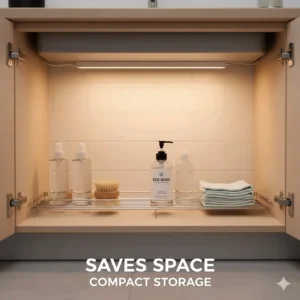
Storage Best Practices
Concentrated formulas are more susceptible to separation and ingredient settling:
Storage rules:
- Keep bottles tightly sealed
- Store in cool, dry place (avoid direct sunlight)
- Shake well before each use
- Don’t dilute entire concentrate at once (make smaller batches)
I learned this lesson when I pre-diluted a full gallon of Pure Selects and left it in my garage through summer. The formula separated and lost effectiveness. Now I mix only what I’ll use within 2-3 weeks.
Hard Water Adjustments
If you live in an area with hard water (high mineral content), concentrated soaps may not sud as well. The minerals bind with surfactants, reducing cleaning power.
Solutions:
- Increase concentrate amount by 10-20%
- Add 1 tablespoon white vinegar to sink water (softens water naturally)
- Consider installing a water softener for whole-house benefits
Common Mistakes to Avoid with Concentrated Formulas
Mistake #1: Using Too Much Product
This is the number one error I see people make. They’re used to squirting traditional soap liberally, then apply the same habit to concentrates. You end up with:
- Sticky residue on dishes
- Excessive suds (bad for septic systems)
- Wasted money
- Environmental impact from unnecessary ingredients down the drain
Fix: Start with half what you think you need. Add more only if truly necessary.
Mistake #2: Improper Dilution
When mixing your own dilutions from 4:1 concentrates like Pure Selects, precision matters. Too concentrated and you waste product; too diluted and cleaning suffers.
Fix: Use measuring cups or marked bottles. Write the dilution ratio on your storage container as a reminder.
Mistake #3: Mixing Different Products
Never combine concentrated formulas from different brands. The surfactant systems may react unpredictably, creating:
- Reduced cleaning power
- Separation or clumping
- Potential skin irritants
Fix: Finish one product before starting another. Clean dispensers thoroughly between products.
Mistake #4: Storing Diluted Product Too Long
Pre-diluted concentrates don’t have the same preservative strength as ready-to-use formulas. Bacterial growth can occur in diluted soap after 4-6 weeks.
Fix: Mix smaller batches more frequently. Mark preparation date on containers.
Mistake #5: Ignoring Expiration Dates
Yes, concentrated dish soap can expire. The surfactants degrade over time, especially in opened containers exposed to air and moisture.
Fix: Buy quantities you’ll use within 12 months. Store properly with tight seals.
DIY Dish Soap Concentrate: Is Homemade Worth It?
I went down the DIY rabbit hole last year, determined to make my own concentrated dish soap and save even more money. Here’s what I learned through trial, error, and some genuinely disappointing dish-cleaning experiences.
Basic DIY Concentrate Recipe
Ingredients:
- 1 cup liquid castile soap (concentrated)
- 1 tablespoon washing soda
- 1 tablespoon vegetable glycerin
- 10-15 drops essential oil (optional)
- 2 cups water
Method:
- Mix washing soda with 1 cup hot water until dissolved
- Add castile soap, glycerin, and remaining water
- Stir gently to avoid excessive suds
- Add essential oils if desired
- Store in sealed container
The Honest Truth About DIY
Cost comparison:
- DIY batch cost: $4-5 for 3 cups
- Commercial concentrate: $8-12 for equivalent cleaning power
So yes, you save $3-7 per batch. But…
The downsides I discovered:
- Grease-cutting power significantly weaker than commercial formulas
- Castile soap leaves film on dishes (especially in hard water)
- Mixing takes time and creates mess
- Ingredient sourcing requires multiple store trips
- No quality consistency batch to batch
After three months of DIY experiments, I returned to Dawn Ultra for heavy-duty cleaning and Mrs. Meyer’s for regular dishes. The convenience and performance of commercial concentrates justified the modest price difference.
When DIY makes sense:
- You have very soft water
- You mostly wash lightly soiled dishes
- You enjoy the process and experimentation
- You already have ingredients for other purposes
When to buy commercial:
- Hard water area
- Heavy grease and stuck-on food common
- Value your time
- Want consistent results
FAQ: Your Concentrated Dish Soap Questions Answered
❓ How much concentrated dish soap should I use per sink load?
❓ Can concentrated dish soap be used in automatic dishwashers?
❓ Does concentrated dish soap expire or go bad?
❓ What's the difference between concentrated and ultra concentrated dish soap?
❓ Is concentrated dish soap safe for septic systems?
Conclusion: Making the Smart Switch to Concentrated Dish Soap
Here’s what I want you to take away from this deep dive into concentrated dish soap: this isn’t just about saving a few bucks or feeling good about reducing plastic waste (though both are legitimate benefits). It’s about making a smarter choice that pays dividends month after month, year after year.
The math is crystal clear. Whether you choose Dawn Ultra for its unbeatable grease-fighting power at $0.05 per wash, Pure Selects for its exceptional 4:1 value, or Method for its eco-credentials and refill station compatibility, you’re getting more cleaning power in less space for less money. That’s not marketing spin—that’s basic arithmetic backed by real-world testing.
But beyond the numbers, concentrated formulas represent a fundamental shift in how we think about household products. Why pay to ship water when you already have it at home? Why throw away giant plastic bottles every few weeks when a small concentrate lasts for months? Why use a tablespoon of soap when a teaspoon works just as well?
The companies making these products have finally figured out what eco-conscious consumers have been saying for years: we want products that work, cost less, and minimize environmental impact. The fact that concentrated dish soap delivers on all three fronts is precisely why it’s not a trend—it’s the new standard.
Start with one product that matches your priorities. Try Mrs. Meyer’s dish soap refill if you love garden-inspired scents. Choose Ginger Lily Farms Botanicals if you buy in bulk. Go with Madre Labs if you want control over dilution ratios. Every option I’ve covered will save you money and plastic compared to traditional formulas.
The hardest part? Remembering that tiny amounts are enough. Your instinct will tell you to use more. Resist. Trust the concentration. Your dishes will come out sparkling, your wallet will thank you, and you’ll wonder why you didn’t make the switch years ago.
Recommended for You
- 7 Best Dish Soap and Hand Soap Dispenser Set for Kitchen 2026
- 7 Best Baby Bottle Dish Soap Comparison 2026 – Safe Choices
- 7 Best Ivory Dish Soap Options – Gentle & Pure (2026 Guide)
Disclaimer: This article contains affiliate links. If you purchase products through these links, we may earn a small commission at no additional cost to you.
✨ Found this helpful? Share it with your friends! 💬🤗
