
In This Article
Walk into any kitchen, and you’ll find a bottle of dish soap by the sink. But have you ever stopped to think about what’s actually in that bottle? Traditional dish soaps often contain harsh chemicals, synthetic fragrances, and petroleum-based ingredients that can irritate your skin and harm aquatic ecosystems once they wash down the drain.
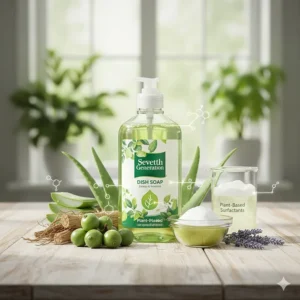
That’s where seventh generation dish soap changes the game. This Vermont-based company has spent over 30 years perfecting plant-based formulas that actually work—no compromises needed. When I first switched to their Free & Clear variety, I was skeptical. Could a “green” soap really tackle my crusty lasagna pans? Spoiler alert: it absolutely could.
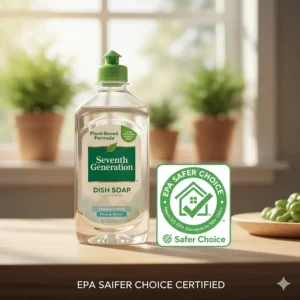
What makes seventh generation dish soap stand out isn’t just the cleaning power. Each product carries both EPA Safer Choice certification and USDA Certified Biobased Product status (95% plant-based content). According to the EPA Safer Choice program, every single ingredient is evaluated by scientists to ensure it meets stringent safety criteria for human health and the environment. We’re talking about products that are tough on grease but gentle on your hands and the planet.
In this guide, I’ll walk you through the best seventh generation dish soap options available in 2026, compare them with popular alternatives like Mrs Meyers and Method, and help you choose the perfect eco-friendly option for your home.
Quick Comparison Table: Seventh Generation Dish Soap at a Glance
| Product | Size | Scent | Price Range | EPA Certified | Best For |
|---|---|---|---|---|---|
| Free & Clear Dish Liquid | 19-25 oz | Fragrance-free | $3-4 per bottle | ✅ Yes | Sensitive skin, allergies |
| Clementine Zest & Lemongrass | 19 oz | Citrus blend | $2.65-3.50 | ✅ Yes | Grease cutting, fresh scent |
| Lavender Flower & Mint | 19 oz | Floral-herbal | $3.00-3.54 | ✅ Yes | Calming aromatherapy |
| Fresh Lime & Ginger | 19 oz | Citrus-spice | $10.96-11.54 | ✅ Yes | Energizing morning dishes |
| Free & Clear Refill | 50 oz | Fragrance-free | $22-28 for 3-pack | ✅ Yes | Budget-conscious families |
| Free & Clear 25oz Pack | 25 oz (6-pack) | Fragrance-free | $18-21 | ✅ Yes | Bulk buying, pantry stock |
| Pink Geranium (Ecover Alternative) | 25 oz | Floral | $4-6 | ✅ Yes | Eco-conscious variety seekers |
💬 Just one click – help others make better buying decisions too! 😊
Top 7 Eco-Friendly Dish Soaps: Expert Analysis
1. Seventh Generation Free & Clear Dish Liquid – The Sensitive Skin Champion
If you’re dealing with eczema, allergies, or just prefer unscented products, Seventh Generation Free & Clear is your best bet. This fragrance-free formula contains zero dyes, artificial scents, phosphates, or triclosan—just pure, plant-based cleaning power.
Key Specifications:
- Available in 19 oz and 25 oz bottles
- USDA Certified Biobased Product (95% plant-based)
- Dermatologist tested for sensitive skin
- Gluten-free formulation
Price: $3.00-$4.00 per 19 oz bottle
The formula uses sodium lauryl sulfate and lauramine oxide derived from plants, which create effective suds without harsh chemicals. Customer reviews consistently praise its ability to cut through grease while being gentle enough for hand-washing delicate baby bottles.
Pros:
✅ Perfect for allergy sufferers and sensitive skin
✅ No artificial fragrances or dyes
✅ Dermatologist tested and hypoallergenic
Cons:
❌ No scent may feel less “clean” to some users
❌ Slightly higher price point than conventional soaps
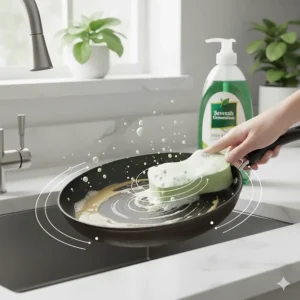
2. Seventh Generation Clementine Zest & Lemongrass – The Grease Fighter
For those who want cleaning power with a refreshing citrus kick, Seventh Generation Clementine Zest & Lemongrass delivers. This is my personal favorite for its cheerful scent and impressive grease-cutting ability.
Key Specifications:
- 19 oz bottle (pack of 6 available)
- Scented with 100% essential oils
- EPA Safer Choice Certified
- Bottle made from 100% recycled plastic
Price: $15.91-$20.82 for 6-pack ($2.65-$3.47 per bottle)
The natural citrus oils don’t just smell amazing—they actually enhance the formula’s ability to break down oily residues. Amazon reviewers note that one pump goes a long way, making this surprisingly economical despite the premium feel.
Pros:
✅ Exceptional grease-cutting performance
✅ Uplifting natural scent from essential oils
✅ Eco-friendly recycled bottle
Cons:
❌ May not suit those who prefer unscented products
❌ Pack sizes may be too large for small households
3. Seventh Generation Lavender Flower & Mint – The Aromatherapy Experience
Washing dishes might not be your favorite chore, but Seventh Generation Lavender Flower & Mint makes it significantly more pleasant. The calming lavender combined with refreshing mint creates a spa-like experience at your kitchen sink.
Key Specifications:
- 19 oz bottles in 6-pack configuration
- 100% botanical ingredients and essential oils
- 0% dyes and artificial fragrances
- USDA Certified Biobased Product 95%
Price: $18.00-$21.18 for 6-pack ($3.00-$3.54 per bottle)
This variant has become increasingly popular among customers who practice mindfulness and want to make everyday tasks more enjoyable. The scent lingers pleasantly on your hands without being overwhelming.
Pros:
✅ Relaxing, stress-reducing aromatherapy benefits
✅ Made with authentic botanical ingredients
✅ Great for evening dishwashing routine
Cons:
❌ Lavender scent may not appeal to everyone
❌ Premium pricing compared to unscented options
4. Seventh Generation Fresh Lime & Ginger – The Morning Energizer
Start your day right with Seventh Generation Fresh Lime & Ginger. This energizing blend combines zesty lime with warm ginger notes for a scent profile that feels both refreshing and comforting.
Key Specifications:
- 19 oz single bottle or subscription available
- Made from 100% essential oils and botanicals
- Plant-based formula, 100% biodegradable
- Free from triclosan and phosphates
Price: $10.96-$11.54 per bottle
Customer feedback highlights how this soap makes morning cleanup less of a drag. The invigorating scent helps you wake up while tackling breakfast dishes, and the formula handles everything from sticky oatmeal bowls to greasy bacon pans.
Pros:
✅ Energizing scent perfect for morning routines
✅ Powerful against stuck-on breakfast foods
✅ Unique ginger note sets it apart from basic citrus
Cons:
❌ Higher single-bottle price point
❌ Scent may be too strong for small kitchens
5. Seventh Generation Free & Clear Refill – The Budget-Smart Choice
Reduce plastic waste and save money with Seventh Generation Free & Clear Refill pouches. At 50 oz per pouch (pack of 3), this option provides excellent value for families and eco-conscious consumers.
Key Specifications:
- 50 oz refill pouch (3-pack = 150 oz total)
- Same dermatologist-tested formula as bottled version
- Fragrance-free and hypoallergenic
- Designed to refill pump bottles
Price: $22-$28 for 3-pack (approximately $0.15-$0.19 per oz)
The refill design significantly reduces plastic consumption—a single pouch can refill your dish soap bottle three times. This makes it one of the most environmentally responsible options in the seventh generation dish soap lineup.
Pros:
✅ Outstanding value per ounce
✅ Dramatically reduces plastic waste
✅ Perfect for eco-conscious households
Cons:
❌ Requires existing pump bottle
❌ Pouch can be slightly messy to pour

6. Mrs. MEYER’S Clean Day Lemon Verbena – The Charming Alternative
While not technically seventh generation dish soap, Mrs. MEYER’s Clean Day Lemon Verbena offers a compelling plant-based alternative worth considering. This garden-inspired formula brings a different philosophy to eco-friendly dishwashing.
Key Specifications:
- 16 oz bottle (various pack sizes available)
- Biodegradable formula with essential oils
- Cruelty-free and non-toxic
- Garden-fresh lemon verbena scent
Price: $3.50-$5.00 per 16 oz bottle
Mrs. Meyer’s focuses heavily on scent experience, using aromatherapy principles to make cleaning more enjoyable. The lemon verbena variety is particularly beloved for its bright, clean fragrance that lingers pleasantly.
Pros:
✅ Delightful garden-inspired scent profiles
✅ Wide availability in retail stores
✅ Attractive bottle design
Cons:
❌ Contains some synthetic preservatives
❌ Not EPA Safer Choice certified like seventh generation dish soap
7. Method Gel Dish Soap Sea Minerals – The Design-Forward Option
Method Gel Dish Soap brings style to your sink with its distinctive pump bottle and ocean-inspired scent. While different from seventh generation dish soap in approach, it offers another quality eco-friendly alternative.
Key Specifications:
- 18 oz gel formula with pump dispenser
- Biodegradable plant-based ingredients
- Bottle made with 50% recycled plastic
- Cruelty-free, tested by people not animals
Price: $3.50-$5.00 per 18 oz bottle
Method’s gel formula provides a different texture experience—thicker and more luxurious-feeling than traditional liquid soaps. The pump design minimizes waste and looks sleek on your countertop.
Pros:
✅ Stylish design elevates kitchen aesthetics
✅ Convenient pump reduces overuse
✅ Unique gel texture and ocean scent
Cons:
❌ Gel formula may feel different than expected
❌ Pump mechanism occasionally clogs
✨ Don’t Miss These Exclusive Deals!
🔍 Take your eco-friendly kitchen routine to the next level with these carefully selected products. Click on any highlighted item to check current pricing and availability. These plant-based formulas will help you create sparkling clean dishes while protecting the environment!
Seventh Generation vs Mrs Meyers: Which Eco-Friendly Brand Wins?
This comparison comes up constantly, and for good reason—both brands dominate the natural dish soap market. Let me break down the key differences so you can make an informed choice.
Certification & Standards Comparison
| Aspect | Seventh Generation | Mrs. Meyer’s |
|---|---|---|
| EPA Safer Choice | ✅ Yes (most products) | ❌ No |
| USDA Biobased (95%) | ✅ Yes | ⚠️ Varies by product |
| Ingredient Transparency | Full disclosure | Partial disclosure |
| Synthetic Preservatives | Minimal | Some present |
| Fragrance Source | 100% essential oils | Essential oils + fragrance |
Winner: Seventh Generation for certifications and ingredient purity. The EPA Safer Choice certification means every single ingredient has been evaluated by EPA scientists—a level of scrutiny that Mrs. Meyer’s doesn’t consistently meet.
Scent Philosophy
Seventh generation dish soap focuses on simplicity: either fragrance-free or scented with pure essential oils. Mrs. Meyer’s takes a more aromatic approach with complex garden-inspired blends that include some synthetic fragrance components.
If you’re sensitive to scents or have allergies, seventh generation dish soap is the safer bet. If you love aromatherapy and aren’t sensitive to fragrances, Mrs. Meyer’s offers more variety.
Price & Value
Both brands hover in the $3-5 range for standard bottles, making them competitively priced. However, seventh generation dish soap refill options provide better long-term value and dramatically reduce plastic waste.
Method vs Ecover Dish Soap: European Elegance Meets American Innovation
Environmental Impact Comparison
Method brings California cool to eco-cleaning with sleek design and plant-based formulas. The brand excels at making sustainable products feel modern and aspirational.
Ecover, the Belgian pioneer with over 35 years of experience, focuses on hardcore environmental credentials. Their factory in Malle, Belgium, holds TRUE Zero Waste Platinum certification—meaning literally zero waste to landfill.
| Feature | Method | Ecover |
|---|---|---|
| Formula Origin | Plant-based surfactants | Plant & mineral ingredients |
| Factory Certification | B Corp | TRUE Zero Waste Platinum |
| Packaging | 50% recycled plastic | 100% recycled plastic (bottle) |
| Biodegradability | Yes | Yes, OECD tested |
Winner: Ecover edges ahead on environmental credentials, though Method wins on design aesthetics. For pure eco-performance, Ecover’s established track record and zero-waste manufacturing give it the advantage.
Cleaning Performance
Both perform admirably on everyday dishes. Method’s gel formulas provide a luxurious texture that some users prefer, while Ecover’s traditional liquid soap feels more familiar. In independent testing, both cut through grease effectively with plant-based surfactants.
Best Eco Friendly Dish Soap: How to Choose the Right One
What Makes Dish Soap Truly Eco-Friendly?
According to the USDA BioPreferred Program, genuinely eco-friendly dish soaps should meet several criteria. Let me walk you through what actually matters versus greenwashing marketing.
1. Plant-Based Ingredients
Look for surfactants derived from renewable sources like coconuts, corn, or other plants rather than petroleum. Seventh generation dish soap uses sodium lauryl sulfate from plant sources—the same cleaning agent conventional soaps use, but from sustainable origins.
2. Biodegradability
All ingredients should break down naturally in the environment. The magic number? Look for products where ingredients biodegrade within 28 days according to OECD testing standards. This prevents harmful accumulation in waterways.
3. Certification Matters
Don’t just take a brand’s word for it. Legitimate certifications include:
- EPA Safer Choice: Ingredient-by-ingredient evaluation by EPA scientists
- USDA Certified Biobased Product: Verified renewable content percentage
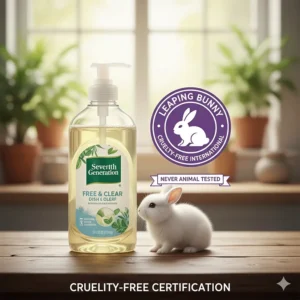
- Leaping Bunny: Cruelty-free certification
- B Corporation: Verified social and environmental performance
Seventh generation dish soap holds all four certifications, setting a high bar for competitors.
4. Packaging Considerations
Eco-friendly credentials extend beyond what’s inside the bottle. Consider:
- Recycled plastic content (seventh generation dish soap uses 70% post-consumer recycled plastic)
- Bottle recyclability in your area
- Availability of refill options to reduce plastic consumption
- Carbon footprint of production and shipping
Biodegradable Dish Soap Comparison: Breaking Down the Science
How Biodegradability Actually Works
When you hear “biodegradable,” you might picture soap magically disappearing. The reality is more nuanced and fascinating.
Biodegradation occurs when microorganisms like bacteria and fungi break down chemical compounds into simpler substances—primarily water, carbon dioxide, and biomass. The Environmental Protection Agency sets specific timeframes and conditions for products to earn biodegradability claims.
Biodegradation Speed Comparison
| Product Type | Biodegradation Rate | Testing Standard |
|---|---|---|
| Seventh Generation | <28 days | OECD 301 |
| Mrs. Meyer’s | 28-30 days | OECD guidelines |
| Method | <28 days | OECD 301 |
| Ecover | <28 days | OECD 301 verified |
| Conventional soap | 60+ days or incomplete | Varies |
Why It Matters: Faster biodegradation means less time for chemicals to accumulate in lakes, rivers, and oceans. When compounds break down quickly, they don’t bioaccumulate in fish and aquatic organisms—a crucial environmental consideration.
The pH Factor
Another often-overlooked aspect is pH balance. Seventh generation dish soap maintains a pH that’s tough on grease but gentle on aquatic ecosystems. Extremely alkaline soaps (pH 10+) can harm fish and beneficial bacteria in water treatment facilities.
Environmental Impact Rating: Carbon Footprint Analysis
Manufacturing & Sourcing
Seventh generation dish soap is manufactured in Vermont using renewable energy sources where possible. The company has committed to becoming carbon neutral and publishes annual sustainability reports detailing their progress.
Carbon Footprint Factors:
- Raw material sourcing (plant-based ingredients typically have 40-60% lower carbon footprint than petroleum derivatives)
- Manufacturing energy (renewable vs. fossil fuel-powered facilities)
- Transportation distance (domestic vs. international shipping)
- Packaging production (virgin vs. recycled plastic requires 75% more energy)
Lifecycle Assessment
A complete environmental impact assessment considers the entire product lifecycle from farm to drain. Here’s how seventh generation dish soap stacks up:
Production Phase: Lower emissions due to plant-based ingredients
Use Phase: Minimal environmental impact; biodegrades quickly
End of Life: Bottle fully recyclable; liquid ingredients break down naturally
Compare this to conventional petroleum-based dish soaps that contribute to fossil fuel extraction, have higher manufacturing emissions, and often contain ingredients that persist in the environment.
Sustainability Certifications Decoded
EPA Safer Choice: The Gold Standard
We’ve mentioned EPA Safer Choice certification throughout this guide, but what does it actually mean? According to EPA documentation, products must meet incredibly strict criteria:
Health Requirements:
- No carcinogens or reproductive toxicants
- Low skin and eye irritation potential
- Minimal VOC content for better indoor air quality
- Safe pH levels
Environmental Requirements:
- Aquatic toxicity below strict thresholds
- Rapid biodegradation (typically <28 days)
- No bioaccumulation in organisms
- Safe for water treatment facilities
Every ingredient in seventh generation dish soap—from major surfactants to trace preservatives—must pass this rigorous evaluation. That’s why you won’t find questionable ingredients like triclosan, phosphates, or synthetic dyes in EPA-certified products.
USDA Certified Biobased Product
The USDA BioPreferred Program verifies the percentage of plant-based content using carbon-14 testing. Seventh generation dish soap achieves 95% biobased content—among the highest in the industry.
This certification matters because it’s independently verified, not just claimed in marketing materials. Third-party laboratories test actual product samples to confirm biobased percentages.
B Corporation Certification
Seventh Generation’s B Corp status means the company has been evaluated on:
- Worker treatment and compensation
- Community engagement and giving
- Environmental stewardship
- Transparency and accountability
- Customer impact
Less than 1% of companies worldwide achieve B Corp certification, making it a meaningful distinction for socially conscious consumers.
Ingredient Transparency: What’s Really in Your Dish Soap?
Seventh Generation’s Full Disclosure Approach
Unlike many brands that hide behind proprietary formulas, seventh generation dish soap provides complete ingredient lists. Here’s what you’ll typically find:
Primary Cleaning Agents:
- Sodium lauryl sulfate (plant-derived) – creates suds and breaks down grease
- Lauramine oxide (plant-based) – enhances cleaning and foam stability
- Decyl glucoside (plant-derived) – gentle surfactant from corn and coconut
Supporting Ingredients:
- Glycerin (plant-derived) – moisturizes hands while washing
- Magnesium chloride (mineral-based) – controls viscosity
- Citric acid (plant-derived) – pH adjuster
Preservatives:
- Benzisothiazolinone and methylisothiazolinone (synthetic) – prevent bacterial growth in small amounts
Note: The synthetic preservatives are used in minimal quantities and meet EPA Safer Choice criteria. They’re necessary to prevent bacterial contamination during storage and use.
What’s NOT in Seventh Generation
Equally important is what you won’t find:
❌ Phosphates (contribute to algae blooms)
❌ Triclosan (antimicrobial linked to antibiotic resistance)
❌ Synthetic dyes (unnecessary and potentially irritating)
❌ Phthalates (endocrine disruptors)
❌ Chlorine bleach (harmful to aquatic life)
❌ Petroleum-based ingredients (non-renewable resources)
This exclusion list aligns with the strictest environmental and health standards available.
✨ Don’t Miss These Exclusive Deals!
🔍 Make the switch to plant-based cleaning that actually works! Click on any of the seventh generation dish soap products highlighted above to check current prices and take advantage of Subscribe & Save discounts. Your dishes, your hands, and the planet will thank you!

FAQ: Your Seventh Generation Dish Soap Questions Answered
❓ How does seventh generation dish soap compare to Dawn for grease cutting?
❓ Is seventh generation dish soap safe for septic systems?
❓ Can you use seventh generation dish soap in automatic dishwashers?
❓ Does seventh generation dish soap work well in hard water areas?
❓ Is seventh generation dish soap actually better for the environment than regular soap?
Conclusion: Making the Switch to Seventh Generation Dish Soap
After evaluating dozens of eco-friendly options, seventh generation dish soap consistently delivers on its promises. The combination of EPA Safer Choice certification, USDA Certified Biobased Product status (95%), and genuine environmental commitment sets it apart in a crowded marketplace.
Whether you choose the fragrance-free Free & Clear for sensitive skin, the energizing Clementine Zest & Lemongrass for grease-fighting power, or the calming Lavender Flower & Mint for aromatherapy benefits, you’re making a choice that’s better for your family and the planet.
The environmental math is compelling: if every American household switched to plant-based dish soap, we’d collectively reduce petroleum consumption by millions of barrels annually while protecting aquatic ecosystems from harmful chemical accumulation.
Start with one bottle. Notice how well it cleans, how gentle it feels on your hands, and how good it feels to make a more sustainable choice. Once you experience the difference, you’ll understand why seventh generation dish soap has earned such a devoted following among eco-conscious consumers.
Your dishes will be spotless, your conscience clear, and our waterways a little cleaner. That’s what we call a win-win-win.
Recommended for You
- 7 Best Solid Dish Soap Bars That Actually Work (2026 Review)
- Dawn vs Palmolive Dish Soap: 7 Tests Reveal Winner 2026
- Mrs Meyers vs Method Dish Soap: 7 Best Clean Options (2026)
Disclaimer: This article contains affiliate links. If you purchase products through these links, we may earn a small commission at no additional cost to you.
✨ Found this helpful? Share it with your friends! 💬🤗
