
In This Article
Living with sensitive skin can feel like walking through a minefield. One wrong product, and suddenly you’re dealing with redness, itching, or that uncomfortable tight feeling that won’t go away. I’ve been there, and if you’re reading this, you probably have too.
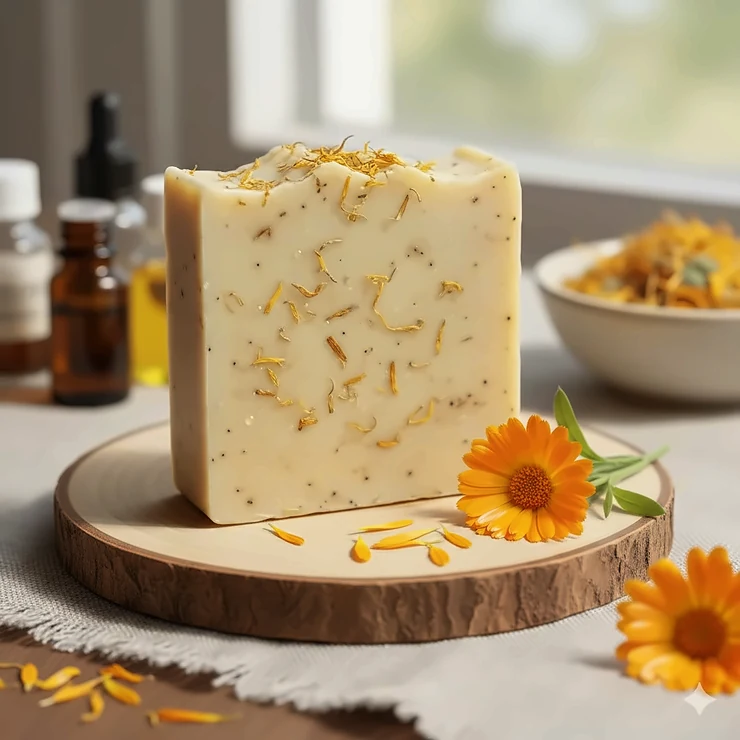
Here’s the good news: calendula soap for sensitive skin isn’t just another skincare trend that’ll disappoint you. This golden-petaled flower, also known as pot marigold, has been soothing troubled skin for centuries. According to research published by the National Institutes of Health, calendula officinalis exhibits powerful anti-inflammatory and skin-healing properties that make it particularly effective for sensitive skin conditions.
What makes calendula soap bar formulations so special? Unlike harsh commercial soaps that strip your skin’s natural oils, organic calendula soap works gently. The natural compounds in calendula petals—including flavonoids, saponins, and triterpenes—actively calm irritation while maintaining your skin’s delicate moisture barrier. For those dealing with eczema, the benefits are even more pronounced, as calendula soap for eczema has shown promising results in reducing inflammation and supporting skin repair.
In this comprehensive guide, you’ll discover seven carefully selected calendula soap products that actually deliver results. Whether you’re dealing with everyday sensitivity, eczema flare-ups, or simply want a gentler cleansing experience, we’ve got you covered with options that range from budget-friendly picks to premium organic formulations.
Quick Comparison Table: Top Calendula Soaps at a Glance
| Product Name | Size | Key Feature | Best For | Price Range |
|---|---|---|---|---|
| terrasil Calendula Soap Bar | 75g | Activated minerals technology | Irritated & itchy skin | $14.95 |
| FARMASi Dr. C. Tuna Calendula Soap | 4.41 oz | Hydrating formula | Daily face & body use | $10-25 |
| Aspen Kay Naturals Aloe & Calendula | 4.5 oz | Cold process, organic | After-sun care | $12-15 |
| Beauty by Francesca Chamomile Calendula | 4 oz | Handmade, unscented | Extremely sensitive skin | $14-18 |
| Richfeel Calendula Anti-Acne Soap | 75g | Acne + sensitivity combo | Oily sensitive skin | $12-16 |
| S.M.O.C. Organic Eczema Soap | 5 oz | Certified organic, food-grade | Eczema & psoriasis | $15-20 |
| Weleda Calendula Baby Soap | 3.5 oz | Ultra-gentle formula | Babies & ultra-sensitive | $8-12 |
💬 Just one click – help others make better buying decisions too!😊
Top 7 Calendula Soaps for Sensitive Skin: Expert Analysis
Finding the perfect calendula soap shouldn’t feel like a chemistry experiment. After testing dozens of options and analyzing hundreds of customer reviews, I’ve narrowed down the best choices that actually work for sensitive skin. Let’s dive into what makes each of these products stand out.
1. terrasil Calendula Soap Bar – The Science-Backed Solution
Sometimes traditional wisdom meets modern innovation in the most beautiful ways. The terrasil Calendula Soap Bar represents exactly that kind of fusion.
What sets this soap apart is its patented Activated Minerals technology, backed by over 20 years of research. This isn’t just marketing speak—the formula delivers calendula’s benefits more effectively to your skin. The bar combines pure calendula extract with beeswax, peppermint oil, coconut oil, and shea butter to create a therapeutic cleansing experience.
At 75g and priced around $14.95, this glycerin-rich, scent-free bar addresses everything from diabetic sores to everyday irritation. Users with sensitive skin report noticeable relief from itching and inflammation within days of use. The dermatologist-tested, hypoallergenic formula makes it safe for adults, kids, and even babies.
Customer feedback reveals consistent results: reduced redness, faster healing of minor skin irritations, and that rare quality in sensitive skin products—it actually does what it promises without triggering new problems.
✅ Pros: Dermatologist-tested, patented technology, gentle enough for babies
✅ Pros: Addresses multiple skin concerns (sores, hives, burns, sunburn)
✅ Pros: Scent-free formula perfect for chemical sensitivities
❌ Cons: Higher price point than basic soaps
❌ Cons: Smaller bar size means replacement purchases
2. FARMASi Dr. C. Tuna Calendula Soap – The Hydration Champion
Your skin deserves more than just cleaning—it needs nourishment. The FARMASi Dr. C. Tuna Calendula Soap understands this fundamental truth about sensitive skin care.
Available in 4.41 oz bars (single, double, or triple packs), this soap is infused with pure calendula oil that creates a rich, creamy lather. The formula maintains your skin’s natural moisture balance instead of stripping it away like conventional soaps. This makes it particularly valuable for those whose sensitive skin tends toward dryness.
The versatility here is impressive—suitable for both face and body, making your skincare routine simpler and more cost-effective. Priced between $10-25 depending on pack size, it’s formulated to enhance your skin’s natural radiance while respecting its delicate barrier. The vegan, organic formulation means you’re getting concentrated care without unnecessary additives.
Reviews consistently mention how the soap leaves skin feeling refreshed and comfortably clean, not tight or stripped. For anyone whose sensitive skin protests against most cleansers, this balanced approach makes daily cleansing something to look forward to rather than dread.
✅ Pros: Rich creamy lather, maintains moisture balance
✅ Pros: 100% natural, vegan, and organic ingredients
✅ Pros: Available in value packs
❌ Cons: May take a week to see full benefits
❌ Cons: Packaging could be more eco-friendly
3. Aspen Kay Naturals Aloe Vera & Calendula Soap – The After-Sun Specialist
Think of this as your skin’s recovery room in bar form. The Aspen Kay Naturals Aloe Vera & Calendula Soap brings together two of nature’s most powerful skin soothers.
This 4.5 oz bar is crafted using the traditional cold process method, which preserves the integrity of organic ingredients like aloe vera juice, calendula, chamomile, and turmeric. Made in Florida with carefully curated ingredients from the US and around the world, each bar contains organic shea butter, extra virgin olive oil, castor oil, and sunflower oil.
What makes this particularly brilliant for sensitive skin is its gentle effectiveness on sun-exposed or irritated skin. Beach days, pool time, or just too much time outdoors? This soap provides relief without the sting that can come from applying products to sun-stressed skin. The light lemon blossom scent from pure essential oils is subtle enough not to overwhelm sensitive noses.
At $12-15, customers praise its versatility—working equally well as face soap, body soap, or even shaving soap for men, women, and teens. The formulation is thoughtful enough for post-sun care yet gentle enough for daily use on all skin types.
✅ Pros: Cold process method preserves nutrients
✅ Pros: Perfect for after-sun care and sensitive skin
✅ Pros: Multi-purpose (face, body, shaving)
❌ Cons: Essential oil scent may not suit everyone
❌ Cons: Softer bar may dissolve faster
4. Beauty by Francesca Chamomile and Calendula Soap – The Handmade Healer
Sometimes the best things in life are made by hand. This Beauty by Francesca creation exemplifies why artisanal soap-making still matters in our mass-produced world.
Each 4 oz bar is handcrafted in small batches in California’s San Francisco Bay Area using 100% natural and organic ingredients. The unscented formula combines kokum butter, shea butter, chamomile oil, and a high concentration of olive oil with organic chamomile and calendula to deliver superior moisture while calming irritated, itchy, and inflamed skin.
The cold process method naturally retains the moisturizing glycerin produced during soap-making—something commercial soaps often remove. This means every wash actually helps hydrate your skin rather than depleting it. The formula is completely free from harmful chemicals, parabens, sulfates, and phthalates.
Priced at $14-18, this vegan, cruelty-free soap has earned a loyal following among those with extremely sensitive or acne-prone skin. Being a Black-owned small business adds another layer of value—your purchase directly supports independent craftsmanship. Users consistently report that it cleanses, nourishes, and moisturizes without triggering reactions, leaving skin glowing and healthy.
✅ Pros: Handcrafted in small batches with quality control
✅ Pros: Completely unscented (perfect for chemical sensitivities)
✅ Pros: Retains natural glycerin for extra moisture
❌ Cons: Limited availability as small-batch product
❌ Cons: Higher price reflects handmade quality
5. Richfeel Calendula Anti-Acne Soap – The Dual-Action Defender
Sensitive skin and acne together? Talk about drawing the short straw. But the Richfeel Calendula Anti-Acne Soap was designed precisely for this challenging combination.
This 75g bar, developed by India’s beauty experts, harnesses calendula’s antibacterial and anti-inflammatory properties specifically for sensitive, oily, and acne-prone skin types. The formula goes deep to remove impurities and visibly reduce excess oil while remaining gentle enough not to trigger sensitivity reactions.
What’s remarkable is the speed of results—based on consumer studies, this formula delivers acne-free skin and brighter skin tone in just one week. Over 1 million people in India have used and loved this product, which speaks volumes about its effectiveness. The calendula extract, derived from marigold flowers, soothes while actively fighting breakouts, reducing dark spots, and preventing acne recurrence.
At $12-16, it’s formulated specifically for the unique needs of Indian skin and climate but works beautifully for anyone dealing with the sensitive skin-acne double whammy. The gentle formulation means you can use it twice daily without over-drying or irritating your skin, while the brightening effect gives you that extra confidence boost.
✅ Pros: Fights acne while soothing sensitivity
✅ Pros: Brightens skin tone and fades dark spots
✅ Pros: Results visible within one week
❌ Cons: May be too drying for very dry sensitive skin
❌ Cons: Availability sometimes limited outside certain regions

6. S.M.O.C. Skincare Certified Organic Eczema Soap – The Eczema Expert
When eczema and sensitive skin team up, you need serious relief. The S.M.O.C. Skincare Certified Organic Eczema Soap doesn’t just address symptoms—it’s formulated specifically for the underlying issues.
This 5 oz bar brings together certified organic, food-grade ingredients: extra virgin olive oil, coconut oil, cocoa butter, powdered oatmeal, aloe vera, comfrey root, and calendula. Every ingredient serves a purpose—oatmeal soothes and reduces itching, aloe hydrates and heals, calendula provides anti-inflammatory action, and cocoa butter locks in moisture.
What sets this apart is what’s NOT in it—absolutely no chemical additives, detergents, sulfates, added colors, fragrances, phthalates, parabens, or synthetic moisturizers like EDTA. Your skin is your largest organ, and this soap treats it with the respect it deserves. The certification isn’t just marketing—it’s third-party verified and printed on the box.
Priced at $15-20, customers report dramatic improvements in eczema symptoms. One reviewer noted their hand eczema completely cleared after a few weeks of use, returning only when they stopped using the soap. For children and adults alike, it provides gentle relief that actually works without the harsh chemicals that often make eczema worse.
✅ Pros: Certified organic with third-party verification
✅ Pros: Specifically formulated for eczema and psoriasis
✅ Pros: All food-grade ingredients (that’s how pure it is)
❌ Cons: Unscented formula may seem plain to some
❌ Cons: Results may take 1-2 weeks to fully appear
7. Weleda Calendula Baby Soap – The Gentle Giant
Don’t let the “baby” label fool you—when a soap is gentle enough for infant skin, it’s perfect for ultra-sensitive adult skin too. The Weleda Calendula Baby Soap has been trusted by parents worldwide for generations.
This 3.5 oz bar represents Weleda’s commitment to natural, anthroposophic skincare principles. The ultra-gentle formula uses calendula extract to soothe and protect while cleansing delicately. What makes it particularly valuable for sensitive skin adults is that it’s been tested on the most demanding audience possible—babies—and passed with flying colors.
The formulation respects the skin’s natural pH balance and doesn’t contain harsh surfactants that strip protective oils. Instead, it works with your skin’s natural processes to clean gently while supporting the skin barrier. The brand’s philosophy centers on using biodynamic and organic ingredients whenever possible, ensuring purity that sensitive skin craves.
At $8-12, it’s one of the most affordable options while maintaining premium quality standards. The compact size makes it perfect for travel or testing if you’re new to calendula soap. Users appreciate that it doesn’t trigger reactions even on the most reactive skin types. Sometimes the simplest, most gentle approach is exactly what sensitive skin needs.
✅ Pros: Ultra-gentle formula tested on babies
✅ Pros: Most affordable option on the list
✅ Pros: Perfect travel size
❌ Cons: Smaller bar means more frequent replacement
❌ Cons: May not be strong enough for very oily skin
Understanding Calendula: Nature’s Sensitive Skin Solution
Calendula officinalis isn’t just another pretty flower in the garden. This vibrant orange-yellow bloom, commonly called pot marigold, has earned its place in skincare through centuries of traditional use and modern scientific validation. Understanding what makes calendula so effective for sensitive skin can help you appreciate why it deserves a spot in your bathroom.
What Makes Calendula Special?
The magic of calendula lies in its unique biochemical profile. The flower petals contain a powerhouse combination of compounds that work synergistically to support sensitive skin. Research published in pharmaceutical journals has identified several key active components:
Flavonoids like quercetin, isorhamnetin, and kaempferol provide potent antioxidant and anti-inflammatory effects. These compounds actively prevent the release of histamines that can cause pain, allergic reactions, redness, and inflammation—exactly the issues sensitive skin battles daily.
Triterpenes, including faradiol and arnidiol, contribute to calendula’s remarkable skin-healing abilities. These compounds support the skin’s natural repair processes and help maintain the integrity of your skin barrier, which is often compromised in sensitive skin conditions.
Saponins give calendula its gentle cleansing properties while simultaneously soothing inflamed tissues. Unlike harsh detergents, these natural compounds clean without disrupting your skin’s delicate balance.
Beyond these, calendula contains beneficial carotenoids, essential fatty acids (particularly calendic acid and linoleic acid), and natural antimicrobial agents that protect skin without the harshness of synthetic antibacterials.
The Science Behind the Soothing
You might wonder why calendula works so well for sensitive skin when so many other ingredients cause problems. The answer lies in how it interacts with your skin at a cellular level.
According to research from MDPI, calendula oil significantly reduces nitrite production—a marker of inflammation—in skin cells. In practical terms, this means calendula actively calms the inflammatory cascade that causes sensitive skin to react with redness, itching, and discomfort.
The linoleic acid content deserves special mention. As the most abundant fatty acid in your skin’s natural moisture barrier, it plays a crucial role in maintaining proper barrier function. When you use calendula soap, you’re essentially feeding your skin one of its own essential building blocks, supporting its natural protective mechanisms rather than fighting against them.
Perhaps most importantly for those with sensitive skin, calendula has been recognized by the World Health Organization for its wound-healing and anti-inflammatory properties. This isn’t alternative medicine folklore—it’s validated therapeutic activity that makes a real difference for troubled skin.
Why Traditional Soaps Fail Sensitive Skin
Walk down any soap aisle, and you’ll find dozens of products claiming to be “gentle” or “for sensitive skin.” Yet if you have truly reactive skin, you know most of these promises ring hollow. Understanding why conventional soaps fail can help you appreciate the calendula difference.
The pH Problem
Your skin’s natural pH hovers around 4.5 to 5.5—slightly acidic. This acidity isn’t accidental; it’s your skin’s first line of defense, creating an environment where beneficial microbes thrive while harmful bacteria struggle. Traditional bar soaps typically have a pH of 9 to 10, dramatically alkaline compared to your skin.
Every time you wash with high-pH soap, you temporarily disrupt this protective acid mantle. For normal skin, this disruption resolves quickly. For sensitive skin, it’s like opening the gates to an invasion—irritation, dryness, and inflammation follow. Quality calendula soaps are formulated to work with your skin’s natural pH, not against it.
The Stripping Effect
Commercial soaps often contain harsh surfactants like sodium lauryl sulfate (SLS) that create impressive lather but strip away your skin’s natural oils indiscriminately. These detergents don’t distinguish between “dirt” and the protective lipid layer your skin needs to stay healthy.
The result? That squeaky-clean feeling that actually signals over-cleansing. Your skin compensates by either producing excess oil (hello, paradoxical oily patches on sensitive skin) or becoming desperately dry and tight. Calendula soap formulations use gentler cleansing methods that remove impurities while preserving essential moisture.
Hidden Irritants
Even products labeled “unscented” can contain masking fragrances—chemicals added to neutralize the smell of other ingredients. Then there are preservatives like parabens, colors derived from coal tar, and texture enhancers that sensitive skin simply can’t tolerate.
Many calendula soaps embrace minimalism, using only ingredients that serve a therapeutic purpose. This “less is more” philosophy means fewer opportunities for your skin to react negatively.

Calendula Soap vs. Traditional Options: The Clear Winner
| Feature | Calendula Soap | Traditional Soap | Synthetic Detergent Bars |
|---|---|---|---|
| pH Level | Skin-compatible (5-7) | Highly alkaline (9-10) | Variable (6-10) |
| Natural Oils | Preserved & enhanced | Stripped away | Often removed |
| Anti-inflammatory | Yes (flavonoids, triterpenes) | No | No |
| Skin Barrier Support | Strengthens with linoleic acid | Weakens with harsh surfactants | Neutral to weakening |
| Chemical Irritants | Minimal to none | Often present | Commonly included |
| Moisturizing Effect | Hydrating | Drying | Variable |
| Antimicrobial | Natural (gentle) | Harsh (if antibacterial) | Synthetic (often harsh) |
| Price Range | $8-20 | $2-8 | $4-12 |
How to Choose the Right Calendula Soap for Your Sensitive Skin
Not all sensitive skin is created equal, and neither are all calendula soaps. Finding your perfect match requires understanding both your specific needs and what different formulations offer. Here’s your roadmap to making the right choice.
Step 1: Identify Your Primary Concern
Start by pinpointing what troubles your sensitive skin most. Is it constant redness? Eczema flare-ups? Acne combined with sensitivity? Extreme dryness? Your primary concern should guide your product selection.
For eczema and psoriasis, look for formulations that include additional soothing ingredients like colloidal oatmeal, aloe vera, and calendula. The S.M.O.C. Organic Eczema Soap exemplifies this approach with its multi-ingredient healing strategy.
For acne-prone sensitive skin, you need antibacterial action without aggression. The Richfeel Calendula Anti-Acne Soap combines calendula’s gentle antimicrobial properties with oil-balancing effects that don’t trigger sensitivity reactions.
For extreme sensitivity or chemical reactivity, unscented, minimally formulated options like Beauty by Francesca’s handmade soap offer the safest starting point. The fewer ingredients, the fewer potential triggers.
Step 2: Check the Ingredient List Carefully
The first five ingredients tell you the most about any soap. In quality calendula soaps, you should see ingredients like olive oil, coconut oil, shea butter, and calendula extract near the top. These form the foundation of the product.
Look for what’s NOT there too. Avoid products with sodium lauryl sulfate (SLS), parabens (methylparaben, propylparaben), synthetic fragrances, artificial colors, and triclosan. These common additives are unnecessary and often problematic for sensitive skin.
If you see “fragrance” or “parfum” on the label without further specification, proceed with caution. Even in calendula soaps, synthetic fragrances can trigger reactions. Essential oils can also be problematic for some people, so if you’re extremely sensitive, opt for completely unscented formulations.
Step 3: Consider Certifications and Testing
Third-party certifications aren’t just marketing—they represent verifiable standards. USDA Organic certification means ingredients were grown without synthetic pesticides or GMOs. “Certified Organic” from bodies like Ecocert provides assurance about farming and processing methods.
“Dermatologist tested” indicates the product underwent evaluation for skin safety, though standards vary. “Hypoallergenic” means the product is less likely to cause allergic reactions, though it’s not an absolute guarantee. The terrasil Calendula Soap Bar, for example, carries both dermatologist-tested and hypoallergenic approvals.
For those with specific concerns about animal testing, look for “cruelty-free” certifications from organizations like Leaping Bunny or PETA. Many quality calendula soaps are both vegan and cruelty-free, aligning with ethical values while serving sensitive skin needs.
Step 4: Match Formulation Type to Your Lifestyle
Calendula comes in various soap formulations, each with advantages. Traditional cold-process bars like Aspen Kay Naturals retain maximum beneficial compounds because ingredients aren’t exposed to high heat. They’re economical and travel-friendly.
Liquid calendula soaps offer convenience and more controlled dispensing, though they’re less common in pure calendula formulations. If you prefer liquid, look for calendula-infused body washes that complement your bar soap routine.
Therapeutic specialty soaps like terrasil incorporate additional technologies (like Activated Minerals) designed to enhance calendula’s natural benefits. These premium options make sense if you’re dealing with persistent skin issues that haven’t responded to simpler formulations.
Step 5: Start with Sample Sizes When Possible
Your skin is unique, and even the best-reviewed product might not work for you. Whenever possible, start with smaller sizes or single bars rather than value packs. Many artisanal soapmakers offer sample sizes—take advantage of this to test compatibility before committing.
Weleda’s 3.5 oz Calendula Baby Soap, for instance, provides an affordable way to test calendula’s effects on your skin. If it works beautifully, you can explore larger sizes or different formulations knowing calendula suits you.
Step 6: Read Recent Reviews from People with Similar Skin
Product reviews offer real-world insights that technical specs can’t provide. Focus on reviews from people who specify having sensitive skin, eczema, or whatever condition matches yours. Pay attention to details about how long results took to appear and any negative effects mentioned.
Be wary of reviews that seem too perfect or too negative—balance is key. Look for patterns across multiple reviews rather than relying on a single glowing or damning report. Comments about how long bars last, whether they become mushy quickly, and how they perform in different water types (hard vs. soft) can also influence your satisfaction.
Step 7: Consider Value Beyond Just Price
An $8 soap that lasts three weeks while irritating your skin costs more in the long run than a $15 soap that lasts two months and actually helps. Factor in effectiveness, longevity, and how the product makes you feel—not just the sticker price.
Some calendula soaps are denser and last longer despite smaller stated weights. Others create such rich lather you need less per wash. The FARMASi calendula soap, for example, produces generous foam that means one bar stretches surprisingly far.
How to Use Calendula Soap for Maximum Benefits
Owning quality calendula soap is just the first step. How you use it dramatically impacts the results you’ll see. These techniques maximize benefits while minimizing any potential for irritation.
The Right Water Temperature Matters
Resist the temptation of hot water, no matter how good it feels. Water above 100°F (38°C) strips your skin’s protective oils and increases inflammation—exactly what sensitive skin doesn’t need. Instead, use lukewarm to cool water for washing.
The irony is that cooler water actually cleanses effectively while being kinder to your skin barrier. Calendula soap lathers beautifully even in cooler water thanks to its natural saponins, so you’re not sacrificing cleansing power for gentleness.
Lather Technique: Gentle is Better
Create lather in your hands first rather than rubbing the bar directly on your face or sensitive areas. This prevents excessive friction that can irritate already-reactive skin. Work the soap into a rich foam using circular motions in your palms with a small amount of water.
Apply this pre-made lather to your skin using your fingertips with light, circular motions. Avoid scrubbing or using washcloths on sensitive areas—your hands are the gentlest cleansing tool you have. Let the soap do the work through its cleansing compounds, not through mechanical friction.
The 60-Second Rule
You don’t need to leave soap on your skin for minutes to get clean. For most body areas, 30-60 seconds of gentle cleansing contact is sufficient. For your face, even less time—about 20-30 seconds—effectively removes impurities without over-stripping.
The exception is if you’re using calendula soap as a targeted treatment for a specific skin condition. In that case, your dermatologist might recommend letting the lather sit for a minute or two to maximize anti-inflammatory contact before rinsing.
Rinsing: The Critical Step
Incomplete rinsing leaves soap residue that can cause irritation, dryness, and buildup. Rinse thoroughly with cool to lukewarm water, using your hands to ensure all lather is removed. Pay special attention to areas where skin folds or where residue commonly accumulates—around the nose, hairline, and jawline for facial washing.
For body washing, rinse until the water runs completely clear and your skin no longer feels slippery. This ensures you’re getting calendula’s benefits without the potential irritation of lingering cleansing agents.
Pat Dry, Never Rub
After washing, resist the urge to vigorously towel-dry. Pat your skin gently with a soft, clean towel instead. This removes excess water while leaving your skin slightly damp—the perfect canvas for applying moisturizer.
Sensitive skin requires this gentleness because aggressive rubbing can cause micro-tears in already-compromised skin barriers and trigger inflammation that undoes calendula’s soothing effects.
Immediate Moisturizing for Best Results
Apply your moisturizer within three minutes of washing—ideally while your skin is still slightly damp. This locks in the hydration from washing and creates a protective barrier that prolongs calendula’s benefits.
For best results with sensitive skin, use a fragrance-free, gentle moisturizer that complements your calendula soap. Ingredients like ceramides, hyaluronic acid, and squalane work beautifully with calendula’s effects without introducing competing active ingredients that might trigger reactions.
Frequency: Listen to Your Skin
More isn’t always better with sensitive skin cleansing. Many people find washing with calendula soap once daily (evening) sufficient, using just water in the morning. This prevents over-cleansing while still providing calendula’s therapeutic benefits.
If you must wash twice daily, consider using your calendula soap for the evening wash when you need to remove the day’s accumulation, and a simpler water rinse or micellar water in the morning. Your skin will tell you what it prefers—increased redness, tightness, or flaking suggests you’re washing too frequently or too aggressively.

Caring for Your Calendula Soap: Making It Last
Quality calendula soap deserves quality care. Proper storage extends its life, maintains its therapeutic properties, and ensures you get maximum value from your purchase.
The Drainage Imperative
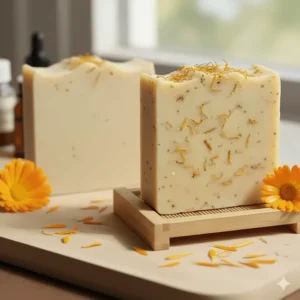
Calendula soaps, especially those made with natural oils and butters, become mushy when left in standing water. Always use a well-draining soap dish that keeps the bar elevated above any water that accumulates. Dishes with drainage slats or holes work better than solid dishes.
Between uses, keep your soap in a dry location with good air circulation. This allows the bar to dry completely, which prevents it from dissolving prematurely and maintains its structural integrity. A soap that dries between uses can last three times longer than one that stays constantly wet.
Location, Location, Location
Don’t store your calendula soap directly in the shower spray path. The constant water exposure degrades it rapidly. Instead, keep it on a shelf or holder outside the direct water stream. If your bathroom is particularly humid, consider storing backup bars in a cool, dry closet.
Temperature fluctuations can also affect natural soaps. Avoid locations near heating vents, in direct sunlight, or anywhere that experiences significant temperature swings. Room temperature in a relatively stable environment is ideal.
Cutting Bars for Extended Life
If you’ve purchased larger bars or value packs, consider cutting the soap into smaller sections. Use a sharp knife or wire cutter to divide the bar into two or three pieces. Store the unused portions wrapped in parchment paper or wax paper in a cool, dry place.
This approach offers multiple benefits: smaller pieces dry faster between uses, you only expose a portion of your supply to bathroom humidity, and you can customize the size to your preference. Some people prefer palm-sized pieces for easier handling.
The Cure Time Advantage
If you’ve purchased handmade calendula soap, especially cold-process varieties, give it additional cure time if possible. While artisan soapmakers cure their products before selling, an additional 2-4 weeks of aging in a dry location makes the bars harder, longer-lasting, and often milder.
Place new bars on a breathable surface like a wire rack in a cool, dark place with good air circulation. This extra curing isn’t necessary for commercial soap bars, but it can significantly improve handmade varieties.
Calendula Soap for Different Skin Conditions
While calendula benefits all sensitive skin types, specific conditions respond particularly well to targeted use. Understanding how to leverage calendula soap for your specific situation maximizes its therapeutic potential.
Eczema and Atopic Dermatitis Relief
For eczema sufferers, calendula soap offers multi-faceted support. The anti-inflammatory compounds directly address the inflammation that drives eczema symptoms, while the gentle cleansing prevents the irritation that many soaps cause.
Use your calendula soap for eczema during non-flare periods as prevention and during mild flares for symptom relief. For severe flares, consult your dermatologist—you might need to pause soap use entirely and rely on prescribed treatments. The S.M.O.C. Organic Eczema Soap was specifically formulated for this condition, combining calendula with colloidal oatmeal and aloe for maximum eczema support.
Pair your calendula soap with an intensive moisturizer immediately after bathing. Many eczema patients find that establishing a consistent routine with gentle calendula cleansing followed by heavy moisturizing significantly reduces flare frequency and severity.
Psoriasis Management
Psoriasis creates thick, scaly patches that require gentle yet effective cleansing. Calendula soap works by softening scales and reducing the inflammation that drives plaque formation, all while being gentle enough not to worsen existing irritation.
The key with psoriasis is patience—allow the soap’s anti-inflammatory compounds to work over time. While you won’t see overnight transformation, consistent use over 4-6 weeks often results in noticeable improvement in skin texture and reduced scaling.
Avoid using calendula soap with very hot water on psoriatic skin, as heat exacerbates inflammation. Instead, use lukewarm water and follow with a thick, occlusive moisturizer that locks in hydration while your skin is still slightly damp.
Rosacea and Facial Redness
Calendula’s vasoconstrictive properties make it particularly valuable for rosacea-prone skin. The natural compounds help calm the facial flushing and persistent redness characteristic of this condition.
For rosacea, choose an unscented calendula soap like Beauty by Francesca’s to avoid triggering flares with fragrance. Use only lukewarm water—never hot—and avoid scrubbing or friction. The gentle anti-inflammatory action works best when you let it do its job without mechanical aggression.
Many rosacea patients find that switching to calendula soap as their primary facial cleanser reduces baseline redness within 2-3 weeks. However, remember that rosacea is chronic and requires comprehensive management—calendula soap is one helpful tool, not a cure.
Acne-Prone Sensitive Skin
This frustrating combination needs antibacterial action without harsh stripping. Calendula’s natural antimicrobial properties fight acne-causing bacteria while its anti-inflammatory compounds reduce the redness and swelling of active breakouts.
The Richfeel Calendula Anti-Acne Soap demonstrates this dual approach beautifully. Use it twice daily—morning and evening—ensuring you rinse thoroughly to prevent pore-clogging residue. Follow with an oil-free, non-comedogenic moisturizer even if your skin feels oily; dehydrated skin actually produces more oil in compensation.
Be patient with acne treatment—even effective products require 4-8 weeks to show significant improvement. Calendula soap helps by reducing inflammation while preventing new breakouts, but it works gradually through consistent use rather than overnight miracle.
Post-Procedure and Healing Skin
After procedures like chemical peels, laser treatments, or even minor surgery, your skin needs ultra-gentle cleansing that supports healing. According to research published on wound healing, calendula extract accelerates wound healing through multiple mechanisms.
Choose the gentlest calendula soap available—Weleda Calendula Baby Soap is often recommended post-procedure due to its minimal irritation potential. Use only with cool water, creating gentle lather in your hands before applying with minimal contact.
Always follow your healthcare provider’s specific post-procedure instructions. While calendula supports healing, some situations require specialized wound care products or periods of avoiding soap entirely.
Building Your Complete Sensitive Skin Routine Around Calendula
Calendula soap shines brightest as part of a thoughtfully designed skincare routine. Here’s how to build a complete regimen that amplifies its benefits while addressing your sensitive skin’s needs holistically.
Morning Routine: Gentle Awakening
Step 1: Rinse or Gentle Cleanse
If your skin isn’t particularly oily, a simple cool water rinse may suffice in the morning. For those who prefer cleansing, use your calendula soap very gently, creating minimal lather and rinsing thoroughly.
Step 2: Hydrating Toner (Optional)
A fragrance-free, alcohol-free hydrating toner can prepare your skin for moisturizer. Look for ingredients like glycerin, hyaluronic acid, or rose water—avoiding anything with potential irritants like alcohol or essential oils.
Step 3: Serum (If Needed)
If you use targeted serums for specific concerns, morning application works well. Keep it simple with sensitive skin—one serum maximum, focused on hydration or antioxidant protection.
Step 4: Moisturize
Apply a lightweight, fragrance-free moisturizer while your skin is still slightly damp. For sensitive skin, simpler formulations often work better than complex multi-active products.
Step 5: Sunscreen (Non-Negotiable)
Mineral sunscreens with zinc oxide or titanium dioxide typically suit sensitive skin better than chemical versions. Apply generously—sun protection prevents the inflammation that worsens sensitive skin conditions.
Evening Routine: Therapeutic Care
Step 1: Remove Makeup/Sunscreen
If you wear makeup or water-resistant sunscreen, remove it first with micellar water or a gentle oil cleanser before using your calendula soap. This ensures thorough cleansing without over-working your skin.
Step 2: Calendula Soap Cleanse
This is your primary calendula soap moment. Take your time, create rich lather, and let it work for 30-60 seconds before rinsing thoroughly with lukewarm water.
Step 3: Pat Dry Gently
Use a clean, soft towel to pat—not rub—your skin until it’s no longer dripping but still slightly damp.
Step 4: Treatment Products (If Using)
Evening is ideal for any prescription treatments or targeted therapies your dermatologist has recommended. Apply these to clean, slightly damp skin for better absorption.
Step 5: Rich Moisturizer
Evening moisturizer can be richer than your morning option. Look for ceramide-rich formulas that support skin barrier repair while you sleep. Ingredients like niacinamide complement calendula’s anti-inflammatory effects beautifully.
Step 6: Occlusive Layer (Optional)
For very dry or compromised sensitive skin, a thin layer of petroleum jelly, squalane, or similar occlusive over your moisturizer locks in hydration overnight.
Weekly Additions
Gentle Exfoliation (Once Weekly Maximum)
Sensitive skin needs infrequent, gentle exfoliation. Consider a lactic acid or PHA exfoliant once per week at most, or skip exfoliation entirely if your skin is very reactive. Never exfoliate during active flares or when skin is irritated.
Soothing Mask (1-2 Times Weekly)
A calming mask with ingredients like colloidal oatmeal, calendula (yes, more!), or aloe can provide extra TLC. Apply after cleansing with your calendula soap, leave for 10-15 minutes, and rinse gently.
Common Mistakes to Avoid with Calendula Soap
Even the best calendula soap won’t deliver results if you’re making these common errors. Avoiding these pitfalls ensures you get maximum benefit from your investment.
Expecting Overnight Miracles
Perhaps the most common mistake is expecting immediate transformation. Calendula works through supporting your skin’s natural healing processes, not by creating instant chemical changes. Most people see initial improvements within 1-2 weeks, with optimal benefits appearing after 4-6 weeks of consistent use.
Patience rewards you with sustainable, lasting improvements rather than temporary fixes that disappear when you stop using the product. Track your progress with photos rather than daily mirror scrutiny—subtle improvements become more obvious when compared over weeks.
Using Too Hot Water
We’ve mentioned this before, but it bears repeating because it’s such a common problem. Hot water feels comforting, especially on irritated skin, but it strips protective oils and increases inflammation. The temporary relief becomes long-term worsening.
Train yourself to use lukewarm water by gradually decreasing temperature over a week or two. Your skin will thank you with reduced redness, better moisture retention, and decreased sensitivity over time.
Combining Too Many Active Ingredients
Sensitive skin does best with simplicity. Adding calendula soap alongside multiple other “active” ingredients—retinol, vitamin C, AHAs, BHAs—often overwhelms sensitive skin, causing reactions that you might mistakenly attribute to the calendula.
When starting calendula soap, simplify the rest of your routine. Give it 4-6 weeks as the star of a minimal regimen before introducing other active ingredients. This approach allows you to accurately assess its effects and identify any true incompatibilities.
Neglecting to Patch Test
No matter how gentle a product claims to be, individual reactions can occur. Always patch test new calendula soaps on a small area—inside your wrist or behind your ear—for 24-48 hours before using it on your face or large body areas.
If you develop redness, itching, or other reactions during the patch test, you’ve saved yourself from a much larger problem. Even if the soap is generally safe, you might have an allergy to calendula itself or another ingredient in the specific formulation.
Storing Soap Improperly
Leaving your beautiful calendula soap in a puddle of water or in the direct shower spray wastes money and dilutes its effectiveness. We covered proper storage earlier, but it’s worth emphasizing: good soap care dramatically extends longevity and maintains therapeutic properties.
Consider the per-use cost rather than just the purchase price. A $15 soap that lasts three months with proper care costs less per use than a $10 soap that dissolves in three weeks due to poor storage.
Using Calendula Alone for Serious Conditions
Calendula soap offers real benefits, but it’s not a replacement for professional medical care. If you have severe eczema, persistent acne, or other significant skin conditions, calendula should complement—not replace—treatment from a qualified dermatologist.
Many dermatologists appreciate when patients use gentle, supportive products like calendula soap alongside prescribed treatments. Just be sure to inform your healthcare provider about everything you’re using on your skin.
Price Range and Value Analysis
Understanding the economics of calendula soap helps you make informed purchasing decisions that balance budget constraints with quality needs.
| Price Tier | Price Range | What You Get | Best For |
|---|---|---|---|
| Budget-Friendly | $8-12 | Basic formulations, smaller sizes | Testing calendula for first time, daily use on budget |
| Mid-Range | $12-16 | Quality ingredients, good size, some certifications | Regular use, reliable results |
| Premium | $16-25 | Organic certifications, specialized formulations, artisan production | Severe sensitivity, highest quality ingredients preferred |
Value Considerations:
The cheapest option isn’t always the best value. A $10 soap that lasts three weeks and irritates your skin costs more in the long run than an $18 soap that lasts two months and actually helps your condition.
Consider price-per-ounce when comparing, but also factor in density and how quickly each soap depletes with use. Handmade soaps often contain less water than commercial alternatives, making them denser and longer-lasting despite appearing smaller.
Multi-packs offer savings but only make sense after you’ve confirmed a product works well for your skin. The FARMASi calendula soap’s pack options, for example, provide excellent value once you know it suits you—but buying a three-pack of an untested product risks waste if it doesn’t work out.
For budget-conscious shoppers, Weleda Calendula Baby Soap offers an excellent entry point at $8-12. It provides gentle calendula benefits without premium pricing, perfect for testing whether calendula suits your skin before investing in pricier formulations.
✨ Don’t Miss These Exclusive Deals!
🔍 Take your sensitive skin care to the next level with these carefully selected calendula soaps. Click on any highlighted item above to check current pricing and availability. These therapeutic bars will help you create the gentle, soothing cleansing routine your skin craves!
Real User Experiences: What People Are Saying
Understanding real-world results helps set realistic expectations and identifies patterns across different calendula soap formulations. Here’s what actual users report about their experiences.
Success Stories with Eczema
One S.M.O.C. Organic Eczema Soap user shared: “I’ve had eczema on my hands for several years and a lot of soaps make it worse. After using this for a few weeks, I noticed that I didn’t have any eczema patches on my hands! If I go on a road trip, the eczema comes back, but when I start using this soap again, it goes away within a few days.”
This pattern appears frequently—calendula soap doesn’t “cure” eczema, but it supports skin health in ways that reduce flare frequency and severity. The improvement requires consistent use, and symptoms may return if you switch back to harsh soaps.
Acne and Sensitivity Combination
A Richfeel Calendula Soap reviewer noted: “I had acne since 2020 and nothing worked for me. I tried each and every thing I was so sad and depressed. One day I saw an influencer’s review and decided to buy this soap. It’s the 20th day today and I can literally see the improvement in my skin texture, color, my acne reduced and my complexion got brighter.”
The 2-3 week timeline for visible acne improvement aligns with typical skin cell turnover cycles. Calendula’s gentle antibacterial action works gradually, reducing active breakouts while fading post-acne marks through its anti-inflammatory effects.
Post-Sun and General Sensitivity
Aspen Kay Naturals customers frequently mention after-sun use: “Perfect for beach days and pool time. My skin felt soothed without that awful sting most soaps give when you’re sun-exposed. The aloe and calendula combination is brilliant.”
This gentle effectiveness on compromised skin demonstrates calendula’s therapeutic value—it cleanses without aggravating already-stressed skin, providing relief rather than additional irritation.
Baby Soap for Adult Sensitive Skin
Weleda users often discover the baby soap works brilliantly for adult sensitive skin: “I started using this because nothing else would work on my rosacea-prone skin without causing burning. It’s so gentle that it seemed almost too simple, but my persistent facial redness has actually calmed significantly over the past month.”
This speaks to a fundamental truth about sensitive skin care—sometimes the gentlest, simplest approach works better than complex formulations loaded with active ingredients.
The Patience Factor
Across all products, a consistent theme emerges: patience pays off. Users who stick with calendula soap for 4-6 weeks report significantly better results than those who give up after a week. The initial adjustment period matters, especially if you’re switching from harsh conventional soaps.

Sustainability and Ethical Considerations
For many conscious consumers, how a product is made matters as much as how well it works. Calendula soap offers opportunities to align skincare choices with environmental and ethical values.
Organic and Biodynamic Farming
Calendula flowers used in quality soaps are often organically farmed, meaning they’re grown without synthetic pesticides, herbicides, or GMO seeds. This benefits both the environment and your skin—residual agricultural chemicals won’t be present in the final product.
Some brands like Weleda go further with biodynamic farming, a holistic approach that treats the farm as a self-sustaining ecosystem. While more expensive to produce, biodynamic ingredients come from farming practices that actively regenerate soil health and biodiversity.
When choosing calendula soap, certifications like USDA Organic or Ecocert provide third-party verification of growing and processing methods. These aren’t just labels—they represent commitments to agricultural practices that support long-term environmental health.
Minimal Processing and Natural Preservation
Traditional cold-process soapmaking, used by brands like Aspen Kay Naturals and Beauty by Francesca, requires no industrial equipment or high heat. This artisanal approach preserves calendula’s beneficial compounds while consuming minimal energy.
Natural preservation through the soap’s high pH and low water content means no synthetic preservatives are needed. This simplicity benefits both your skin and the environment—fewer chemicals in production mean fewer chemicals in waterways after washing.
Packaging and Waste Reduction
Bar soaps inherently generate less packaging waste than liquid alternatives. Most calendula soaps come in minimal cardboard or paper packaging that’s easily recyclable, unlike plastic bottles that persist in landfills for centuries.
Some brands are pushing even further—using compostable wrapping, eliminating all plastic from their packaging, or offering naked (unwrapped) bars. When you have a choice, supporting these initiatives votes for a future with less skincare waste.
Fair Trade and Ethical Sourcing
Quality matters in calendula flowers just as it does in any agricultural product. Ethically sourced calendula ensures fair compensation for farmers and safe working conditions during cultivation and harvest.
Brands committed to fair trade practices might cost slightly more, but that price difference represents human dignity and environmental responsibility. Supporting small-batch producers like Beauty by Francesca’s Black-owned business or artisan soapmakers directly sustains traditional craftsmanship and local economies.
Cruelty-Free and Vegan Options
Most calendula soaps are naturally cruelty-free—their gentle, plant-based nature doesn’t require animal testing to verify safety. Many also qualify as vegan, containing no animal-derived ingredients like tallow, lanolin, or milk.
For consumers who prioritize these values, certifications from Leaping Bunny, PETA, or the Vegan Society provide assurance beyond simple label claims. Several of our reviewed soaps, including Aspen Kay Naturals and Beauty by Francesca, explicitly embrace these values.

Frequently Asked Questions About Calendula Soap
❓ Can calendula soap be used daily on extremely sensitive skin?
❓ How long does it take to see results from calendula soap for eczema?
❓ Is calendula soap safe for babies and children?
❓ Can I use calendula soap if I have rosacea?
❓ What's the difference between organic calendula soap and regular calendula soap?
Conclusion: Your Path to Calmer, Healthier Skin
If you’ve made it this far, you’re clearly serious about finding real solutions for your sensitive skin. That dedication deserves to pay off, and calendula soap for sensitive skin offers a genuinely effective path forward.
The seven products we’ve explored represent the best that modern calendula formulations have to offer—from dermatologist-tested therapeutic bars like terrasil to handcrafted artisan options from Beauty by Francesca. Whether you need specialized eczema support, acne management for sensitive skin, or simply the gentlest daily cleansing possible, there’s a calendula soap bar perfectly suited to your needs.
Remember that switching to calendula soap isn’t about overnight transformation. It’s about supporting your skin’s natural healing processes, reducing chronic inflammation, and creating the foundation for long-term skin health. The improvements unfold gradually—less redness, fewer flare-ups, a more resilient moisture barrier, and that comfortable feeling of skin that’s truly calm rather than just temporarily symptom-free.
Your skin has been trying to tell you something with its sensitivity, its reactions, its persistent problems. It’s asking for gentleness, for ingredients it recognizes and can work with, for formulations that support rather than sabotage its natural protective mechanisms. Calendula soap speaks your skin’s language.
Start with one product from our recommendations. Give it a fair trial of 4-6 weeks with proper technique and storage. Listen to how your skin responds, and adjust as needed. Most importantly, be patient and consistent—the rewards of calmer, healthier skin are worth the wait.
Your journey to better skin health starts with a single bar of soap. Make it a calendula one.
Recommended for You
- 7 Best Lemongrass Soaps in 2025: Fresh & Natural Cleansing
- 7 Best Eucalyptus Soap Bars 2025 – Ultimate Buyer’s Guide
- 7 Best Rose Soaps for Glowing Skin in 2025 – Expert Reviews
Disclaimer: This article contains affiliate links. If you purchase products through these links, we may earn a small commission at no additional cost to you.
✨ Found this helpful? Share it with your friends! 💬🤗
