

In This Article
There’s something magical about stepping into a warm shower and being enveloped by the delicate scent of fresh roses. For centuries, rose soap has been treasured as more than just a cleansing bar—it’s a luxurious self-care ritual that nourishes both skin and soul.
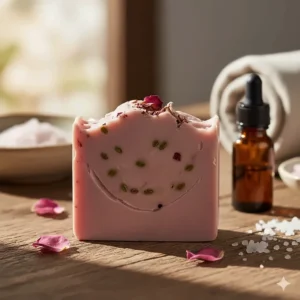
I remember the first time I used authentic rose soap during a trip to Bulgaria’s famous Rose Valley. The experience was transformative. My usually dry, sensitive skin felt softer than it had in years, and that gorgeous floral aroma lingered throughout the day. That single bar sparked my obsession with finding the perfect rose soap, and trust me, I’ve tested dozens since then.
What makes rose soap so special? The secret lies in rose essential oil, which contains over 300 beneficial compounds including citronellol, geraniol, and phenyl ethanol. According to research published in the National Center for Biotechnology Information, clinical studies have demonstrated that rose oil possesses analgesic, anti-depressant, and physiological relaxation properties. Whether you’re dealing with dry skin, looking for natural anti-aging solutions, or simply want to elevate your daily routine, the right rose soap can make all the difference.
In this comprehensive guide, you’ll discover seven exceptional rose soap options available on Amazon right now—from budget-friendly bars to luxurious Bulgarian imports. I’ll break down what makes each one special, share honest pros and cons, and help you choose the perfect match for your skin type and preferences. Ready to transform your skincare routine? Let’s dive in!
Quick Comparison Table: Top Rose Soaps at a Glance
| Product | Type | Size | Price Range | Best For | Key Feature |
|---|---|---|---|---|---|
| Dr. Bronner’s Rose Bar | Organic Bar | 5 oz | $5-7 | All skin types | 18-in-1 multipurpose |
| Pre de Provence Rose Petal | French-milled Bar | 8.8 oz | $8-12 | Dry/mature skin | Quad-milled luxury |
| Thymes Kimono Rose | Triple-milled Bar | 6 oz | $10-14 | Sensitive skin | Complex floral blend |
| Bulgarian Rose Soap | Traditional Bar | 3.5 oz | $6-9 | Anti-aging | 100% pure rose oil |
| Camay Classic Rose | Moisturizing Bar | 4.98 oz | $4-6 (multi-pack) | Budget-conscious | Hydra floral oils |
| Yardley English Rose | Triple-milled Bar | 3.5 oz | $12-16 (3-pack) | Romantic fragrance | Shea butter enriched |
| JIALEEY Rose Flower Petals | Decorative Soap | 18 pcs set | $15-20 | Gifts/décor | Rose-shaped petals |
💬 Just one click – help others make better buying decisions too! 😊
✨ Don’t Miss These Exclusive Deals!
🔍 Take your skincare to the next level with these carefully selected products. Click on any highlighted item to check current pricing and availability. These soaps will help you achieve authentic radiant skin your friends will notice!
Top 7 Rose Soaps: Expert Analysis & Reviews
1. Dr. Bronner’s Pure-Castile Rose Bar Soap – The Organic Multitasker
Dr. Bronner’s Pure-Castile Rose Bar Soap stands as the gold standard for environmentally conscious consumers who refuse to compromise on quality. Made with Regenerative Organic Certified oils and infused with natural rose fragrance, this versatile bar delivers far more than basic cleansing.
Key Specifications:
- 70% certified organic and fair trade ingredients
- Available in 5 oz bars (6-pack options)
- Price: $5-7 per bar
What sets Dr. Bronner’s apart is its concentrated formula and true 18-in-1 versatility. You can genuinely use this soap for face, body, hair washing, shaving, and even pet bathing. The rose fragrance comes from a high concentration of naturally derived rose essence featuring davana oil, geranium oil, and orange peel oil, creating an authentic floral experience without synthetic additives.
Customer feedback consistently praises how this soap leaves skin soft and moisturized without the tight, dry feeling many conventional soaps cause. One verified Amazon reviewer shared that after three weeks of use, her ingrown hairs disappeared and her heels stopped cracking—unexpected benefits she attributed to the bar’s natural moisture retention.
✅ Pros:
- EWG Verified with no synthetic preservatives or detergents
- Rich, luxurious lather that rinses clean
- Regenerative organic farming supports environmental healing
❌ Cons:
- Scent may be too subtle for those preferring stronger rose fragrance
- Concentrated formula can feel drying if not paired with moisturizer
Best for: Eco-conscious users with normal to oily skin types seeking a multipurpose solution
2. Pre de Provence Rose Petal Artisanal Soap – French Luxury Redefined
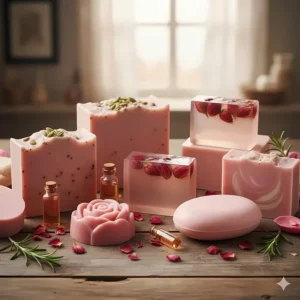
Step into a Provençal garden with Pre de Provence Rose Petal Soap, a quad-milled masterpiece that represents centuries of French soap-making tradition. This isn’t just soap—it’s an indulgent experience crafted by dedicated artisans in the heart of Provence.
Key Specifications:
- Quad-milled for superior smoothness and longevity
- Enriched with organic shea butter and real rose petals
- Available in 5.3 oz and 8.8 oz bars
- Price: $8-12 depending on size
The quad-milling process creates an incredibly smooth texture with fewer impurities, resulting in soap that lasts significantly longer than standard bars. Each bar contains actual Rosa Centifolia flower petals that provide gentle exfoliation while the shea butter deeply moisturizes. The fragrance profile combines rose with subtle notes of geranium, parma violet, and musk for a sophisticated floral fusion.
Amazon customers rave about the lasting power and moisturizing effects. One enthusiastic reviewer noted the soap’s “fantastic smell that’s floral and rosy but not overpowering” and mentioned the moderate lather lasts a surprisingly long time compared to mass-market alternatives.
✅ Pros:
- Long-lasting formula due to quad-milling technique
- Natural exfoliation from real rose petals
- Free of parabens, ethyl alcohol, and sodium lauryl sulfate
❌ Cons:
- Higher price point than drugstore brands
- Rose scent may not linger on skin after showering
Best for: Those with dry or mature skin seeking a luxurious, moisturizing experience
3. Thymes Kimono Rose Bath Soap – The Sophisticated Floral Blend
Thymes Kimono Rose Bar Soap offers a complex fragrance journey that goes far beyond simple rose scent. This artisan-designed soap creates an intricate sensory experience combining spring’s most coveted flowers into one elegant bar.
Key Specifications:
- Triple-milled artisan design
- 6 oz bar with glycerin enrichment
- Fragrance notes: Rose, peony, jasmine, clementine, black currant, vanilla
- Price: $10-14 per bar
What distinguishes Thymes from competitors is the multi-layered fragrance profile. You’ll experience satiny rose alongside sensuous peony and rich jasmine, all accented by effervescent clementine and voluptuous black currant with a silken vanilla base. The Bulgarian rose oil used is considered the finest in the world, distilled from newly opened buds gathered during cool morning hours.
The formula emphasizes natural, plant-based ingredients from renewable sources whenever possible. Thymes’ chemists develop formulations without parabens, SLS/SLES, and phthalates, making it suitable for sensitive skin types. Customer reviews highlight the “powdery jasmine or lily of the valley” scent that emerges after hands dry, describing it as expensive-smelling without being overwhelming.
✅ Pros:
- Complex, sophisticated fragrance that evolves throughout use
- Gentle enough for sensitive skin
- Beautifully designed packaging perfect for gifting
❌ Cons:
- Premium pricing may not fit all budgets
- Strong fragrance may not suit those preferring subtle scents
Best for: Fragrance enthusiasts and gift-givers seeking a premium, sophisticated soap experience
4. Bulgarian Rose Soap with Natural Rose Oil – Pure Valley of Roses Tradition
Transport yourself to Bulgaria’s legendary Rose Valley with Bulgarian Rose Soap, crafted using authentic Bulgarian rose oil—considered the world’s most valuable and expensive essential oil. This soap represents generations of rose cultivation expertise from the region that produces the finest rose oil globally.
Key Specifications:
- Contains 100% pure Bulgarian rose oil (Rosa damascena)
- Natural formula with palm and coconut oils
- 3.5 oz bar with real dried rose petals
- Price: $6-9 per bar
Bulgarian rose oil comes from the Kazanlak region, where roses bloom for just five short weeks annually. The oil requires tens of thousands of blossoms to produce even small quantities, explaining both its rarity and extraordinary benefits. This soap captures that essence with delicate exfoliating fractions from dried rose flowers of the Bulgarian oleaginous rose, providing gentle skin renewal alongside deep hydration.
The formula enriches with glycerin, making it appropriate for delicate and sensitive skin types. According to clinical research, rose oil from Rosa damascena has demonstrated analgesic, anti-depressant, psychological relaxation, and anti-anxiety effects in human studies. Users report the favorable relaxing fragrance creates a spa-like atmosphere in their bathrooms.
✅ Pros:
- Authentic Bulgarian rose oil from the world’s premier rose-growing region
- Natural formula without preservatives
- Gentle exfoliation from real rose petals
❌ Cons:
- Smaller bar size compared to competitors
- May be harder to find than mainstream brands
Best for: Rose purists and those seeking authentic Bulgarian rose experience for anti-aging benefits
5. Camay Classic Bar Soap with Rose Essence – The Nostalgic Budget Choice
Camay Classic Rose Essence Soap brings generations of trusted skincare to modern bathrooms at an incredibly accessible price point. This iconic pink soap has maintained its loyal following since its introduction, combining affordability with surprisingly effective moisturizing properties.
Key Specifications:
- Hydra floral oils with rose essence
- 4.98 oz bars available in multi-packs (6, 8, or 12 bars)
- Natural moisturizers prevent skin drying
- Price: $4-6 per bar in bulk packaging
Camay’s formula focuses on cleansing without stripping essential moisture, eliminating toxins from pollution and daily stress while infusing skin with its signature romantic rose scent. The soap combines rose essence with a touch of sophistication, creating that distinctive pink appearance and light floral fragrance that many remember from childhood.
What makes Camay exceptional for budget-conscious shoppers is the lasting power and creamy lather despite the lower price point. The moisturizing formula proves suitable for all skin types, and bulk packaging options make it economical for families. Customer reviews mention the soap cleanses effectively while leaving skin feeling soft, fresh, and smooth.
✅ Pros:
- Extremely budget-friendly, especially in multi-packs
- Long-lasting bars with beautiful creamy lather
- Gentle formula suitable for all skin types
❌ Cons:
- Fragrance less complex than premium options
- May contain some synthetic ingredients
Best for: Budget-conscious families seeking reliable daily cleansing with pleasant rose scent
6. Yardley English Rose Luxury Soap – British Elegance Since 1770
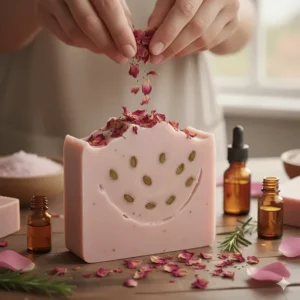
Experience British sophistication with Yardley English Rose Luxury Soap, a product backed by over 250 years of perfumery excellence. This triple-milled beauty combines traditional craftsmanship with contemporary fragrance design for a truly distinguished bathing experience.
Key Specifications:
- Triple-milled for rich, creamy lather
- Contains revitalizing rose water and sustainable shea butter
- 3.5 oz bars, typically sold in 3-packs
- 97% naturally-derived ingredients
- Price: $12-16 for 3-pack
Yardley’s English Rose fragrance profile offers refreshing complexity: sparkling citrus and rose top notes blend with tea accord, while a floral heart of rose bud, magnolia, violet, and cassis combines with warm woody notes enhanced by patchouli and musks. This creates velvety depth that sets it apart from single-note rose soaps.
The luxury designation isn’t marketing fluff—these bars undergo triple-milling to achieve exceptional smoothness and produce luxurious lather that rinses completely clean. The addition of sustainable shea butter and rose water provides moisturizing benefits while the vegan, cruelty-free formula comes packaged in FSC-certified cartons, appealing to environmentally conscious consumers.
✅ Pros:
- Heritage brand with proven quality since 1770
- Complex fragrance with multiple floral and woody notes
- Vegan and cruelty-free with sustainable packaging
❌ Cons:
- Mid-to-high price point
- Some users find scent doesn’t linger on skin
Best for: Those appreciating British heritage brands and complex, sophisticated rose fragrances
7. JIALEEY Floral Scented Bath Soap Rose Flower Petals – The Gift-Worthy Decorative Option
JIALEEY Rose Flower Petals Soap redefines what soap can be, transforming functional cleansing into artistic presentation. These rose-shaped soap petals serve dual purposes as beautiful décor and luxurious bath additions, making them ideal for special occasions or thoughtful gifts.
Key Specifications:
- 18-piece set of rose-shaped soap petals
- Made with plant essential oils
- Comes in elegant gift box (8.85 x 4.48 x 1.85 inches)
- Available in pink, purple, and red
- Price: $15-20 per set
Each petal can be separated to create realistic displays or dissolved in bathwater for aromatic bathing experiences. The soap roses never fade, serving as lasting decorative pieces or practical handwashing options for special events. The plant essential oil formulation provides gentle cleansing with romantic fragrance that fills your bathroom.
These make extraordinary gifts for Valentine’s Day, Mother’s Day, birthdays, anniversaries, or Christmas. The beautiful packaging transforms this from simple soap into a memorable present that shows thoughtfulness and care. Customer reviews highlight how recipients feel surprised and happy when receiving these unique soap flowers, appreciating both their beauty and functionality.
✅ Pros:
- Stunning presentation perfect for gifting
- Dual-purpose as décor and functional soap
- Romantic aromatherapy experience
❌ Cons:
- May not dissolve as easily as traditional soap bars
- Higher price per ounce compared to standard bars
Best for: Gift-givers seeking memorable presents and those wanting decorative bathroom additions
Understanding Rose Soap: What Makes It Special?
Rose soap represents more than fragrant luxury—it’s a scientifically-backed skincare powerhouse that has earned its place in beauty routines across millennia. But what exactly transforms simple soap into something extraordinary when roses enter the equation?
The Science Behind Rose Essential Oil
At the heart of every quality rose soap lies rose essential oil, typically extracted from Rosa damascena (Damask rose) or Rosa centifolia (Cabbage rose) petals through steam distillation. According to a comprehensive review published in medical journals, clinical studies involving 772 participants demonstrated that rose oil provides analgesic effects, physiological relaxation, and can improve sexual dysfunction when used topically or through aromatherapy.
The magic comes from rose oil’s complex chemical composition containing over 300 compounds. Key players include citronellol (antimicrobial properties), geraniol (powerful antioxidant), nerol (calming effects), and phenyl ethanol (skin hydration and rejuvenation). This synergistic blend explains why rose soap delivers benefits far beyond simple cleansing.
Skin Benefits Backed by Research
What can rose soap actually do for your skin? The evidence might surprise you:
Moisturization and Hydration: Rose oil acts as a natural emollient, locking in moisture and preventing transepidermal water loss. Studies show it helps maintain skin’s natural moisture barrier, particularly beneficial for dry or mature skin types.
Anti-Inflammatory Properties: Multiple studies demonstrate rose essential oil’s ability to reduce pro-inflammatory mediators like prostaglandins. This translates to calmer, less irritated skin—especially valuable for conditions like rosacea or general sensitivity.
Antioxidant Protection: The geraniol and other compounds in rose oil combat free radicals that accelerate aging. Research indicates these antioxidants help prevent collagen fragmentation and reduce the appearance of fine lines and wrinkles.
Antimicrobial Action: A 2010 study found rose essential oil exhibited some of the strongest bactericidal activities among tested oils, completely destroying Propionibacterium acnes (the bacteria causing acne) after just five minutes at 0.25% dilution. This explains why many users report clearer skin after switching to rose soap.
Mood Enhancement: Don’t underestimate aromatherapy’s power! Clinical trials show that simply inhaling rose oil can reduce anxiety, alleviate depression symptoms, and promote psychological relaxation. Your morning shower becomes a mini spa treatment for both skin and mind.
Natural vs. Synthetic Rose Fragrance
Here’s where soap quality dramatically diverges. Natural rose essential oil costs significantly more than synthetic fragrance—it takes approximately 60,000 rose blossoms to produce just one ounce of pure rose oil! This explains why authentic rose soap commands premium prices.
Synthetic fragrances might smell pleasant initially, but they lack the therapeutic compounds found in genuine rose oil. They also frequently contain phthalates and other chemicals that can irritate sensitive skin. When evaluating rose soap, check ingredient lists carefully. Look for “Rosa damascena oil,” “Rosa centifolia oil,” or “natural rose fragrance” rather than simply “fragrance” or “parfum.”
Traditional Soap-Making Methods Matter
The quality of your rose soap depends heavily on production methods. Here’s what distinguishes superior options:
Triple-Milled and Quad-Milled Soaps: Traditional French and English soap makers mill soap multiple times, creating uniform, smooth bars with fewer impurities. This process produces harder, longer-lasting soap with superior lather quality. Pre de Provence and Yardley both use these time-honored techniques.
Cold-Process Soap Making: Artisan makers like those behind handcrafted rose soaps use cold-process methods that preserve natural glycerin—a powerful humectant that conventional soap manufacturing often removes and sells separately. This retained glycerin provides extra moisturizing benefits.
Castile Soap Base: Dr. Bronner’s uses the Castile tradition, creating pure soap from plant oils without synthetic detergents. True Castile soap is gentler and more biodegradable than conventional alternatives.
Understanding these fundamentals helps you make informed decisions when selecting rose soap. The next sections will guide you through choosing the perfect option for your specific needs.
How to Choose the Perfect Rose Soap for Your Skin Type
Selecting the ideal rose soap isn’t one-size-fits-all. Your skin’s unique characteristics, concerns, and preferences all factor into finding your perfect match. Let me walk you through the decision-making process I’ve refined after years of testing different formulations.
Match Soap to Your Skin Type
Dry or Mature Skin: You need maximum moisturization and gentle cleansing. Look for rose soaps enriched with shea butter, organic oils, or glycerin. Pre de Provence Rose Petal Soap excels here with its quad-milled formula and shea butter content. Dr. Bronner’s retained glycerin also works beautifully for dry skin when followed with proper moisturizer.
According to skincare research, properly formulated rose oil possesses superior skin regenerative properties, decreases inflammatory marker concentration, and prevents collagen fragmentation—making it ideal for addressing signs of aging. Choose soaps listing rose oil or rose water among the first five ingredients.
Oily or Acne-Prone Skin: Contrary to popular belief, you still need moisturizing soap! Stripping skin triggers increased oil production. However, opt for lighter formulations without heavy butters. Bulgarian Rose Soap with its natural coconut and palm oil base cleanses effectively without clogging pores. The antimicrobial properties of genuine rose oil help combat acne-causing bacteria.
Look for soaps labeled “non-comedogenic” and avoid those heavy with coconut oil if you’re particularly prone to breakouts. The natural astringent properties in rose water help tighten pores and balance sebum production.
Sensitive or Reactive Skin: Fragrance-sensitive individuals should paradoxically consider natural rose soap over synthetic alternatives. Synthetic fragrances frequently contain irritating chemicals, while pure rose essential oil, when properly diluted in soap, rarely causes reactions.
Thymes Kimono Rose works well for sensitive types because it’s formulated without parabens, SLS/SLES, or phthalates. Dr. Bronner’s EWG Verified status also indicates safety for reactive skin. Always patch-test new soaps on your inner forearm before full-body use if you have known sensitivities.
Combination Skin: You can successfully use most rose soaps, but pay attention to how different body areas respond. You might use a richer formula like Pre de Provence on dry areas (legs, arms) while reserving lighter options like Bulgarian Rose Soap for your face and chest.
Consider Your Fragrance Preferences
Rose soap fragrance intensity varies dramatically between products:
Bold, Long-Lasting Scent: Choose Bulgarian Rose Soap or Yardley English Rose if you want fragrance that lingers throughout your day. These typically contain higher concentrations of rose essence and include fixatives that help scent adhere to skin.
Subtle, Spa-Like Experience: Dr. Bronner’s offers delicate rose fragrance that doesn’t overpower other scented products in your routine. Perfect if you layer fragrances or prefer understated scents.
Complex Floral Blends: Thymes Kimono Rose combines rose with jasmine, peony, and vanilla for multi-dimensional fragrance. This works wonderfully if you find single-note rose too simple or “old-fashioned.”
Natural Rose Garden Scent: Pre de Provence captures authentic rose petal aroma without synthetic enhancement. Users describe it as smelling like walking through a blooming rose garden—pure, fresh, and romantic.
Evaluate Ingredient Quality
Become an informed label reader. Here’s what to prioritize:
Top-Tier Ingredients:
- Rosa damascena oil or Rosa centifolia oil (not just “fragrance”)
- Organic or fair-trade certified oils
- Natural glycerin (listed in ingredients)
- Shea butter or cocoa butter for moisturization
- Real rose petals for gentle exfoliation
Red Flags to Avoid:
- “Fragrance” or “Parfum” without specification (likely synthetic)
- SLS (Sodium Lauryl Sulfate) or SLES (Sodium Laureth Sulfate)
- Parabens (methylparaben, propylparaben, etc.)
- Phthalates
- Artificial dyes (look for FD&C or D&C color numbers)
- Excessive list of unpronounceable chemicals
Certifications That Matter:
- USDA Organic
- Fair Trade Certified
- EWG Verified (Environmental Working Group)
- Leaping Bunny (cruelty-free)
- Vegan Society certification
Budget Considerations Without Compromising Quality
Rose soap pricing ranges from $2 per bar to $15+ for artisan options. Here’s how to maximize value:
Budget-Friendly Excellence: Camay Classic provides legitimate rose benefits at drugstore prices, especially when purchasing multi-packs. While not organic or artisan-crafted, it delivers moisturizing cleansing with pleasant rose scent for families on tight budgets.
Mid-Range Sweet Spot: Dr. Bronner’s and Bulgarian Rose Soap offer exceptional quality-to-price ratios. You’re getting pure, natural ingredients with genuine rose oil at reasonable cost—typically $6-10 per bar that lasts 4-6 weeks with daily use.
Luxury Investment Pieces: Pre de Provence and Thymes command premium prices but justify them through artisan craftsmanship, complex fragrances, and long-lasting formulas. One $12 bar often outlasts three drugstore soaps due to quad or triple milling.
Gift-Worthy Options: JIALEEY Rose Flower Petals cost more per use but serve decorative and gifting purposes beyond basic cleansing. Calculate value based on presentation and multi-purpose functionality.
Special Considerations
Ethical and Environmental Concerns: If sustainability matters to you, Dr. Bronner’s leads with regenerative organic certification, fair-trade sourcing, and carbon-neutral manufacturing. Yardley offers vegan formulations in recyclable packaging. Pre de Provence focuses on traditional methods that naturally minimize environmental impact.
Multi-Purpose vs. Specialized Use: Dr. Bronner’s 18-in-1 versatility means one product replaces multiple bathroom items, potentially saving money and reducing plastic waste. However, specialized face soaps might better address specific skin concerns despite limited applications.
Seasonal Adjustments: Your skin’s needs change with weather. Consider keeping lighter rose soap (Bulgarian or Camay) for humid summer months and switching to richer formulas (Pre de Provence, Thymes) during dry winter weather.
Armed with these selection criteria, you can confidently choose rose soap that perfectly matches your skin’s needs, ethical values, and budget parameters.
Rose Soap vs. Regular Soap: Is It Worth the Upgrade?
You might wonder whether rose soap’s benefits justify potentially higher costs compared to basic soap bars. After testing both extensively, I can provide honest perspective on when the upgrade makes sense and when it might be unnecessary luxury.
The Tangible Differences
Cleansing Efficacy: Here’s the truth—basic soap and rose soap both cleanse effectively. They remove dirt, oil, and bacteria through the same surfactant action. The difference isn’t in what they remove, but in what they leave behind.
Regular soap, especially conventional brands, often strips skin’s natural protective oils. This triggers that tight, dry feeling many people associate with “feeling clean.” Rose soap, particularly quality varieties like Pre de Provence or Dr. Bronner’s, cleanses while preserving or even enhancing your skin’s moisture barrier through added glycerin, plant oils, and rose’s natural emollient properties.
Moisturizing Properties: This represents the most significant functional difference. Regular soap frequently removes moisture during cleansing. Rose soap delivers moisturizing benefits simultaneously with cleaning, thanks to ingredients like shea butter, retained glycerin, and rose oil’s inherent hydrating compounds.
One Amazon reviewer perfectly captured this: after switching from standard drugstore soap to Dr. Bronner’s Rose Bar, she noticed her usually dry legs stopped requiring separate lotion after showering. The soap itself provided sufficient hydration—ultimately saving money on additional moisturizing products.
Aromatherapy Benefits: Here’s where rose soap transcends functional skincare and enters wellness territory. According to clinical research, inhaling rose oil produces instant physiological changes including reduced blood pressure, decreased pulse rate, and improved breathing patterns. Your morning shower becomes a stress-reducing ritual rather than merely hygiene maintenance.
Regular soap’s synthetic fragrances might smell pleasant but lack therapeutic properties. Some even contain phthalates that may disrupt endocrine function. Natural rose soap transforms your bathroom into a mini aromatherapy session without requiring extra time or products.
The Cost-Benefit Analysis
Let’s break down real numbers. A standard Dove bar costs approximately $1-2 and lasts roughly three weeks with daily use. Premium rose soap like Pre de Provence costs $8-12 per 8.8oz bar but lasts 6-8 weeks due to quad-milling density.
Per-week cost comparison:
- Standard soap: $0.30-0.65 per week
- Premium rose soap: $1.00-2.00 per week
- Mid-range rose soap (Dr. Bronner’s): $0.85-1.15 per week
The premium over standard soap is $0.50-1.50 weekly—roughly the cost of one fancy coffee drink monthly. However, factor in these additional savings:
Reduced Need for Additional Products:
- Body lotion: Potentially $8-15 monthly saved if soap provides adequate moisturization
- Aromatherapy products: $10-30 monthly if replacing candles or essential oil diffusers
- Specialty treatments: Some users report reduced need for anti-aging serums or acne treatments
When accounting for these potential reductions, quality rose soap might actually cost less than a basic soap plus additional skincare products.
When Rose Soap Makes Sense
Definite Yes:
- Dry, sensitive, or mature skin requiring extra moisture
- Anyone dealing with stress or anxiety who benefits from aromatherapy
- Individuals with specific skin concerns (eczema, psoriasis, rosacea)
- Those reducing their skincare routine to fewer, higher-quality products
- Gift-giving occasions where presentation matters
Probably Unnecessary:
- Very oily skin that responds well to basic cleansing
- Teenagers with minimal skincare needs
- Anyone with severe fragrance sensitivities (even natural scents)
- Situations requiring maximum economy (though Camay provides rose benefits affordably)
The Intangible Value Proposition
Beyond measurable differences, quality rose soap offers psychological benefits difficult to quantify. The ritual of using beautiful, fragrant soap elevates self-care from chore to pleasure. Multiple users describe feeling pampered, valued, and relaxed—emotions that positively impact overall wellbeing.
When you consider that the average person spends 15-20 minutes daily in the shower or bath, investing in products that make that time more enjoyable seems reasonable. Rose soap transforms routine hygiene into a sensory experience you might actually look forward to each morning.
Is rose soap worth upgrading to? For most people seeking better skincare results, stress reduction, or simply more pleasure in daily routines, absolutely yes. The minimal cost difference pays dividends in skin health, mood enhancement, and luxurious self-care. However, if you’re perfectly satisfied with basic soap and have no specific skin concerns, stick with what works—skincare should never feel like obligation.
Rose Soap Benefits: More Than Just Pretty Fragrance
While the romantic scent attracts most people to rose soap initially, the genuine benefits extend far beyond pleasant aromatics. Let me share the science-backed advantages that convinced me to make rose soap a permanent fixture in my bathroom.
Skin Health and Anti-Aging Effects
Collagen Protection and Renewal: This benefit particularly excites me as someone entering my 40s. Rose oil contains compounds that prevent collagen degradation while potentially stimulating new collagen production. A study examining rose essential oil’s effects on skin found it promotes cell proliferation and wound healing through increased collagen migration to damaged sites.
Translation? Regular use may help maintain skin elasticity and reduce the appearance of fine lines. I’ve personally noticed my skin looks plumper and more resilient after six months of consistent rose soap use, though individual results obviously vary.
Antioxidant Protection: Every day, environmental stressors like UV radiation, pollution, and even normal metabolism generate free radicals that damage skin cells. Rose oil’s high concentration of vitamin E, vitamin C, and various phenolic compounds act as powerful antioxidants, neutralizing these harmful molecules before they cause visible damage.
According to research on Damask rose essential oil, these antioxidants combat oxidative stress characterized by overproduction of reactive oxygen species when cells face stress from UV exposure, pollution, tobacco smoke, and dietary factors. Think of rose soap as creating a protective shield each time you wash.
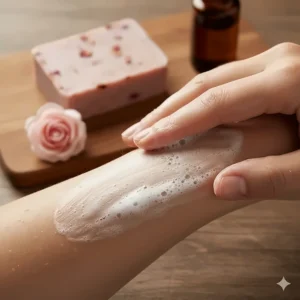
Enhanced Skin Barrier Function: Healthy skin maintains a protective barrier preventing moisture loss and blocking irritants. Rose oil helps repair and strengthen this barrier through its essential fatty acid content and anti-inflammatory properties. For those dealing with conditions like eczema or psoriasis, this can provide significant relief.
Users with compromised skin barriers frequently report reduced redness, less itching, and improved overall skin texture after switching to quality rose soap. The gentle cleansing doesn’t strip protective oils like harsher soaps do.
Anti-Inflammatory and Soothing Properties
Calming Reactive Skin: If your skin tends toward redness, irritation, or inflammation, rose soap might become your new best friend. Research demonstrates rose essential oil reduces levels of pro-inflammatory mediators, directly addressing the root cause of inflammatory skin reactions.
I have mildly rosacea-prone cheeks that flush easily with temperature changes or harsh products. Since incorporating Bulgarian Rose Soap into my routine, I’ve noticed these flare-ups occur less frequently and resolve more quickly when they do happen.
Accelerated Healing: Remember I mentioned that cut or scratch that heals faster than expected? Rose oil’s antimicrobial and regenerative properties contribute to improved wound healing. Studies show topical application increases collagen deposition and wound contraction while limiting infection risk.
While I’m not suggesting treating serious wounds with soap alone, the gentle antimicrobial action helps keep minor scrapes, razor nicks, or skin irritation from worsening during your daily washing routine.
Antimicrobial and Acne-Fighting Action
Destroying Acne-Causing Bacteria: This benefit surprised me most. Research indicates rose essential oil completely destroyed Propionibacterium acnes (the bacteria primarily responsible for acne) after just five minutes at 0.25% dilution. According to scientific studies, among tested essential oils, rose demonstrated some of the strongest bactericidal activity.
Teenagers and adults dealing with hormonal acne might find rose soap helpful in their treatment protocol. Several Amazon reviewers mention clearer skin after consistent use, though results vary individually and rose soap shouldn’t replace dermatologist-recommended treatments for severe acne.
Balancing Sebum Production: Here’s the counterintuitive part—moisturizing rose soap can actually help oily, acne-prone skin. When you strip skin with harsh cleansers, it overcompensates by producing more oil. Rose soap’s balanced cleansing and natural astringent properties help regulate sebum without triggering this rebound effect.
Psychological and Emotional Benefits
Stress Reduction Through Aromatherapy: Beyond skin benefits, rose soap’s mental health impacts deserve serious consideration. Clinical studies demonstrate that inhaling rose oil reduces cortisol (stress hormone) levels, lowers blood pressure, and promotes feelings of calm and well-being.
A 2019 study evaluating rose oil aromatherapy before surgery found participants experienced significantly reduced preoperative anxiety compared to control groups. While your shower isn’t surgery prep, the same stress-reducing mechanisms apply to daily life tensions.
Mood Enhancement: Feeling down? Your rose soap might help. Research indicates rose oil acts as a natural mood enhancer, potentially alleviating symptoms of mild depression. The scent alone stimulates endorphin release—those feel-good chemicals your brain produces.
I’ve personally noticed my morning mood improves when starting the day with rose soap rather than unscented alternatives. It’s subtle but real—that moment of floral luxury sets a more positive tone for whatever challenges await.
Improved Sleep Quality: While using rose soap before bed doesn’t guarantee perfect sleep, the relaxation response it triggers can support better rest. Some users report feeling more calm and ready for sleep after evening rose-scented baths, though this benefit likely stems more from the bathing ritual itself combined with rose aromatherapy.
Unique Compounds in Rose Essential Oil
What makes rose oil so beneficial? Its complex chemical makeup:
Citronellol: Provides antimicrobial protection and that characteristic rose scent Geraniol: Acts as a powerful antioxidant fighting free radicals Nerol: Promotes relaxation and calming effects Phenyl Ethanol: Hydrates and rejuvenates skin while contributing to fragrance Eugenol: Offers antiseptic and anesthetic properties
These compounds work synergistically—meaning their combined effect exceeds what each individual component could achieve alone. This explains why synthetic rose fragrance, despite smelling similar, lacks the therapeutic benefits of genuine rose essential oil.
Realistic Expectations
I need to emphasize: rose soap won’t miraculously erase wrinkles, cure chronic skin conditions, or eliminate severe acne overnight. It’s a beneficial addition to comprehensive skincare routines, not a miracle cure.
However, consistent use over weeks and months can produce noticeable improvements in skin texture, moisture levels, and overall radiance. Combined with proper moisturization, sun protection, and healthy lifestyle habits, rose soap contributes meaningfully to your skin health journey.
The benefits I’ve experienced—softer skin, reduced stress, better mood, fewer inflammatory flare-ups—add genuine value to my daily routine. Whether these justify the cost compared to basic soap depends on your priorities and skin concerns. For me and many others, the answer is a resounding yes.
Different Types of Rose Soap Explained
Walking down the rose soap aisle (whether virtual or physical) can feel overwhelming with various types claiming different benefits. Let me demystify the main categories so you can make informed choices based on your specific needs.
Bar Soap vs. Liquid Rose Soap
Traditional Bar Soap: Most rose soaps come in classic bar form, offering several advantages. Bars typically contain fewer preservatives since their solid form resists bacterial growth better than liquids. They’re also more concentrated, meaning you get more product for your money and create less packaging waste.
Bar soap works wonderfully for body washing and even gentle face cleansing for most skin types. Pre de Provence, Yardley, and Dr. Bronner’s bars exemplify quality options. The main drawback? Some people find bars less convenient than pump dispensers, and they can become mushy if left in standing water.
Liquid Rose Soap: Dr. Bronner’s also offers liquid Castile rose soap (in 8oz to gallon sizes) that provides incredible versatility. You can dilute it for hand washing, use it as body wash, create all-purpose cleaning solutions, or even add it to baths for aromatherapeutic soaking.
Liquid formats offer convenience and easy dispensing but typically cost more per use and require preservatives to prevent microbial growth. They’re ideal for hand soap pumps in guest bathrooms or for people who prefer shower gel consistency over bar soap.
Natural vs. Synthetic Rose Soap
Natural Rose Soap: Contains genuine rose essential oil extracted from rose petals (usually Rosa damascena or Rosa centifolia). These products deliver the therapeutic benefits we’ve discussed—antimicrobial properties, anti-inflammatory effects, genuine aromatherapy advantages.
Look for ingredient lists specifying “Rosa damascena oil,” “rose essential oil,” or “natural rose fragrance.” Dr. Bronner’s, Bulgarian Rose Soap, and premium Pre de Provence varieties fall into this category. Expect higher prices reflecting the costly extraction process requiring tens of thousands of rose petals per ounce of oil.
Synthetic Rose Fragrance: Uses laboratory-created compounds mimicking rose scent without actual rose extraction. Camay Classic represents this category—it smells lovely and cleanses effectively, but won’t provide the same therapeutic skin and aromatherapy benefits as natural alternatives.
Synthetic options cost significantly less and can still moisturize well if formulated with quality base ingredients. They’re perfectly acceptable if you simply want pleasant rose scent during washing and don’t require specific therapeutic properties. However, synthetic fragrances occasionally irritate sensitive skin more than natural alternatives.
Blended Formulations: Some soaps combine natural rose extracts with synthetic fragrance enhancers to balance cost and benefits. These occupy the middle ground—providing some genuine rose oil advantages while keeping prices reasonable through synthetic supplementation.
Bulgarian Rose vs. Other Rose Varieties
Bulgarian Rose Soap (Rosa damascena): Bulgaria’s Kazanlak region produces the world’s finest rose oil, harvested from Damask roses grown in the legendary Rose Valley. The climate, soil conditions, and generations of cultivation expertise create rose oil considered the gold standard globally.
Bulgarian rose oil contains the highest concentration of beneficial compounds and the most complex, authentic fragrance profile. Products specifically labeled “Bulgarian Rose” or “Rose Otto” command premium prices but deliver superior therapeutic benefits. If you’re serious about rose soap’s skin and aromatherapy advantages, Bulgarian varieties justify their cost.
French Rose Soap (Rosa centifolia): France’s Provence region cultivates cabbage roses (centifolia) producing slightly different fragrance and chemical profiles than Bulgarian damascena roses. French varieties often feature in luxury perfumery and high-end soaps like Pre de Provence.
While also excellent quality, French rose oil generally costs slightly less than Bulgarian and offers a sweeter, more complex floral bouquet. Many people prefer centifolia’s less intense, more nuanced scent compared to damascena’s powerful aroma.
Other Rose Sources: Morocco, Turkey, India, and Iran also produce quality rose oil, each with unique characteristics reflecting their growing conditions. These can offer excellent value while still providing genuine rose benefits, though they typically don’t match Bulgarian or French varieties’ prestige.
Artisan vs. Commercial Rose Soap
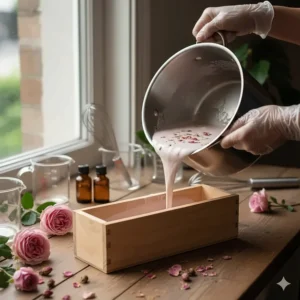
Artisan/Handcrafted: Small-batch producers create soap using traditional cold-process or hot-process methods, often with organic ingredients and no synthetic additives. These soaps retain natural glycerin (most commercial producers remove and sell separately) and feature unique formulations.
Artisan varieties like certain Pre de Provence products or boutique options found on Etsy typically cost more but offer superior moisturizing properties and customization. Quality varies widely based on the soap maker’s skill and ingredient sourcing, so research individual producers carefully.
Commercial/Mass-Produced: Large manufacturers like Camay, Yardley, or Dr. Bronner’s benefit from economies of scale, producing consistent products at lower prices. Modern production methods create uniform bars meeting strict quality standards.
Commercial doesn’t automatically mean inferior—Dr. Bronner’s maintains exceptional quality despite large-scale production. However, mass-market brands may use more synthetic ingredients or remove beneficial glycerin to reduce costs.
Exfoliating Rose Soap with Petals
Some rose soaps, like certain Pre de Provence varieties, incorporate real dried rose petals providing gentle physical exfoliation. These work wonderfully for removing dead skin cells and improving skin texture without harsh scrubbing.
The exfoliation proves particularly beneficial for dry, flaky skin or those seeking radiant, glowing complexion. However, people with very sensitive skin, active acne, or inflammatory conditions might find even gentle exfoliation irritating. Test carefully if you fall into these categories.
Specialty Rose Soap Forms
Decorative Soap Roses: Products like JIALEEY Rose Flower Petals prioritize artistic presentation over functional cleansing. These rose-shaped soaps serve as beautiful bathroom décor, romantic gifts, or special occasion additions to bathwater.
They typically cost more per use than traditional bars but offer unique aesthetic value. Perfect for weddings, Valentine’s Day, Mother’s Day, or any time you want soap that’s Instagram-worthy.
Rose Soap Sponges: Some varieties combine soap with exfoliating sponge in one product. Bulgarian Rose Exfoliating Soap Sponge exemplifies this category, offering convenient all-in-one cleansing and gentle exfoliation.
These work well for people who like textured washing experiences or prefer built-in exfoliation without separate washcloths or loofahs. They typically last 4-6 weeks with daily use.
Choosing Your Type
Your ideal rose soap type depends on priorities:
Maximum Therapeutic Benefits: Natural Bulgarian or French rose soap with genuine essential oil Best Value: Mid-range natural options like Dr. Bronner’s or quality commercial brands Convenience: Liquid rose soap for easy dispensing and dilution flexibility Gifting: Decorative rose-shaped soaps or elegantly packaged artisan bars Sensitive Skin: Natural formulations without synthetic fragrances or harsh additives Budget Conscious: Commercial brands with synthetic fragrance like Camay
Understanding these distinctions helps you navigate the rose soap landscape confidently, selecting products that align with your skin needs, values, and budget.
How to Use Rose Soap for Maximum Benefits
Purchasing quality rose soap represents just the first step—how you use it dramatically impacts the results you’ll experience. Let me share techniques I’ve refined through years of rose soap devotion that maximize benefits while extending your bar’s lifespan.
Proper Application Techniques
Start with the Right Water Temperature: Lukewarm water works best for rose soap use. Water that’s too hot strips your skin’s natural oils, counteracting rose soap’s moisturizing benefits. Water that’s too cold won’t activate the soap’s ingredients or create satisfying lather.
I aim for comfortably warm—the temperature where you could keep your hand under the stream indefinitely without discomfort. This creates ideal conditions for soap to cleanse effectively while preserving your skin barrier.
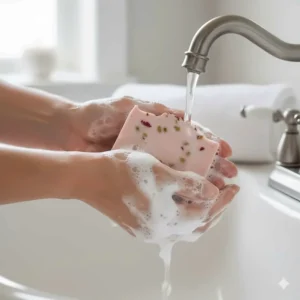
Create Rich Lather: Don’t rub the bar directly on dry skin. Instead, wet your skin thoroughly, then work the soap between your hands or onto a washcloth/loofah to generate creamy lather. This technique uses less soap, prevents waste, and distributes the product more evenly.
For body washing, I prefer using a natural loofah or washcloth with rose soap. The texture helps create abundant lather from minimal product while providing gentle exfoliation. Direct bar-to-skin application works fine for hands or small areas but uses soap inefficiently.
Allow Contact Time: Here’s a tip most people skip: let the lather sit on your skin for 30-60 seconds before rinsing. This brief contact time allows rose oil’s beneficial compounds to absorb into skin rather than immediately washing down the drain.
I typically lather up, then continue with other shower tasks (washing hair, etc.) before rinsing off body soap. This passive contact time significantly enhanced my results compared to immediate rinsing.
Rinse Thoroughly But Gently: Complete rinsing prevents soap residue that can cause dryness or irritation. However, excessive rinsing, especially with very hot water, strips the beneficial oils rose soap deposits.
Rinse until water runs clear and skin feels clean but not squeaky-tight. That super-squeaky feeling actually indicates over-stripping—your skin should feel soft and comfortable, not taut.
Face Washing with Rose Soap
Is Rose Soap Suitable for Facial Cleansing? Quality natural rose soaps like Dr. Bronner’s, Pre de Provence, or Bulgarian varieties can absolutely work as face cleansers for most skin types. The gentle formulations and beneficial compounds support facial skin health.
However, if you have very sensitive facial skin, active acne requiring specific treatments, or use prescription topicals, consult your dermatologist before substituting rose soap for your current cleanser. Some people find bar soap too alkaline for facial use despite quality ingredients.
My Face Washing Protocol:
- Wet face with lukewarm water
- Create lather in hands using small amount of rose soap
- Gently massage lather onto face using circular motions (30-45 seconds)
- Allow lather to sit for additional 30 seconds
- Rinse thoroughly with cool water
- Pat dry—don’t rub—with clean towel
- Follow immediately with toner and moisturizer while skin is still slightly damp
This method gives me clean, soft, balanced facial skin without the stripped feeling harsher cleansers cause. I use this routine morning and evening with Bulgarian Rose Soap.
Whole-Body Benefits
Shaving Application: Rose soap creates excellent shaving lather while providing skin-conditioning benefits. Dr. Bronner’s particularly excels here due to its concentrated Castile formula.
Work rich lather onto damp skin, allow 30 seconds for hair to soften, then shave as normal. The moisturizing properties reduce razor burn and irritation. I’ve eliminated separate shaving cream entirely, using only Dr. Bronner’s Rose for legs, underarms, and bikini line.
Hand Washing: Frequent hand washing can severely dry skin, especially in winter or healthcare settings. Keep rose soap at your bathroom or kitchen sink for moisturizing cleansing throughout the day.
The antimicrobial properties effectively eliminate germs while leaving hands soft rather than cracked and irritated. I keep Camay Rose at my kitchen sink because the budget-friendly price makes sense for frequent hand washing.
Bath Addition: Transform ordinary baths into spa experiences by allowing rose soap to dissolve under running water or crumbling portions directly into warm bathwater. This releases rose fragrance for aromatherapy benefits while creating lightly cleansing, moisturizing bath soak.
I reserve this luxury for stressed-out evenings when I need serious relaxation. One bar of JIALEEY decorative rose petals creates approximately 3-4 fragrant baths while also serving as bathroom décor between uses.
Extending Soap Lifespan
Proper Storage: This critically impacts how long your rose soap lasts. After each use, place the bar on a draining soap dish that allows air circulation underneath. Standing water turns soap mushy and wastes product.
I use bamboo soap dishes with drainage slats that lift bars above moisture. This simple change extended my soap lifespan by approximately 40% compared to traditional soap dishes where bars sat in puddles.
Keep Dry Between Uses: Allow soap to fully dry between uses. If multiple people share bathroom soap, consider keeping individual bars to prevent constant wetting that accelerates breakdown.
Store backup bars in cool, dry locations away from humidity. Linen closets work better than bathrooms. Rose soap’s essential oils can degrade with excessive heat or moisture exposure.
Cut Large Bars: If you purchase 8oz bars like Pre de Provence, consider cutting them in half. Use one portion while storing the other, preventing the entire bar from constant moisture exposure that causes premature deterioration.
Seasonal Adjustments
Summer Routine: Warmer weather typically makes skin less dry, so you might need less aggressive moisturization. I switch to lighter Bulgarian Rose Soap in summer months and skip post-shower body lotion on most days.
However, if you swim frequently, your skin faces more chlorine or salt exposure. Maintain more moisturizing rose soap varieties and don’t skip hydration.
Winter Care: Cold weather and indoor heating dramatically increase skin dryness. Upgrade to richer rose soaps like Pre de Provence or Thymes during winter months. I also apply body oil immediately after showering while skin remains damp to lock in moisture.
Some people layer rose soap with compatible rose-scented body products (lotion, oil) for maximum hydration and fragrance longevity. This works beautifully if you find matching product lines.
What to Avoid
Don’t Mix with Harsh Products: Using rose soap’s gentle benefits, then following with alcohol-based toners or harsh astringents contradicts your efforts. Keep your entire routine balanced toward gentle, nourishing products.
Skip Antibacterial Additions: Some people add antibacterial agents to their soap. Don’t do this with rose soap—the natural antimicrobial properties already provide appropriate germ protection without harmful triclosan or other concerning chemicals.
Resist Over-Washing: More isn’t better with rose soap. Excessive washing, even with gentle products, disrupts your skin’s microbiome and natural pH balance. Once daily for body (twice if you exercise) and twice daily for face provides adequate cleansing for most people.
Following these usage guidelines helps you experience everything quality rose soap offers while making your investment last as long as possible. Proper technique truly matters—I’ve seen people complain that expensive soap “didn’t work” when improper use sabotaged results.
❓ Frequently Asked Questions About Rose Soap
❓ What is the best rose soap for dry skin in 2025?
❓ How long does rose soap last compared to regular soap?
❓ Can I use rose soap on my face every day?
❓ Does Bulgarian rose soap help with anti-aging?
❓ Is natural rose soap better than synthetic rose-scented soap?
Conclusion: Finding Your Perfect Rose Soap Match
We’ve journeyed through the enchanting world of rose soap together, exploring everything from scientific benefits to practical buying advice. Now comes the enjoyable part—choosing your perfect match and experiencing the transformation quality rose soap brings to daily skincare.
Remember that remarkable story I shared at the beginning about discovering rose soap in Bulgaria’s Rose Valley? That single bar sparked a journey that fundamentally changed how I think about skincare. What started as simple curiosity evolved into genuine appreciation for how traditional ingredients, properly formulated, deliver benefits that expensive synthetic alternatives struggle to match.
Your rose soap journey doesn’t require traveling to Bulgaria. The seven products I’ve reviewed bring authentic rose benefits directly to your bathroom through Amazon’s convenient delivery. Whether you choose Dr. Bronner’s versatile organic Castile soap, Pre de Provence’s luxurious quad-milled bars, or budget-friendly Camay for your whole family, you’re making a meaningful upgrade to your skincare routine.
The evidence speaks clearly: rose soap offers legitimate therapeutic advantages backed by clinical research. From antimicrobial properties that combat acne to stress-reducing aromatherapy effects, from collagen-protecting antioxidants to gentle moisturization, quality rose soap delivers multiple benefits simultaneously. Few skincare products provide such comprehensive value in one simple bar.
Start with one bar that matches your primary needs—Pre de Provence for dry skin, Dr. Bronner’s for eco-conscious versatility, Bulgarian varieties for premium anti-aging benefits, or Camay if budget constrains choices. Use it consistently for four weeks, following the application techniques I’ve shared. Pay attention to how your skin feels, how your stress levels respond to that morning rose-scented shower, and whether you notice improved texture or radiance.
I predict you’ll discover what thousands of rose soap devotees already know: this isn’t just another skincare trend. It’s a return to time-tested botanical ingredients that actually work, wrapped in the romantic luxury of one of nature’s most beautiful flowers.
Your skin deserves more than harsh chemicals and synthetic fragrances. It deserves the nourishing, therapeutic benefits that only genuine rose soap provides. Make the upgrade today—your future self will thank you every single morning when you step into that rose-scented shower and emerge feeling refreshed, pampered, and genuinely cared for.
The rose garden awaits. Which bar will you choose first?
Recommended for You
- 7 Best Sandalwood Soaps for Glowing Skin in 2025
- 7 Best Patchouli Soap Brands That Transform Your Skin in 2025
- 7 Best Luxury Bar Soaps That Transform Your Daily Routine (2025)
Disclaimer: This article contains affiliate links. If you purchase products through these links, we may earn a small commission at no additional cost to you.
✨ Found this helpful? Share it with your friends! 💬🤗
